
PDF · A4 · 16 KB · Free, no sign-up. For home and classroom use.
How to draw a train
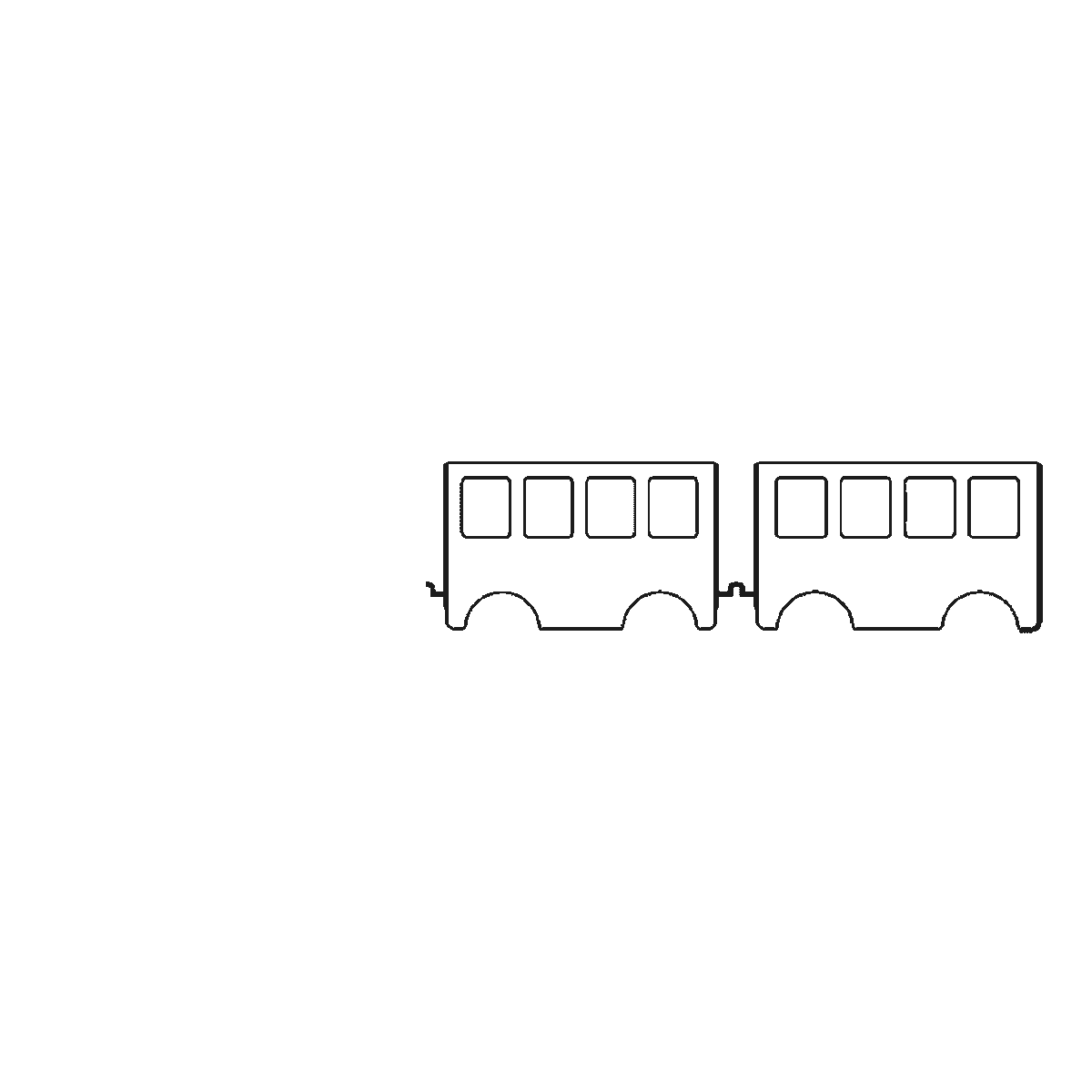
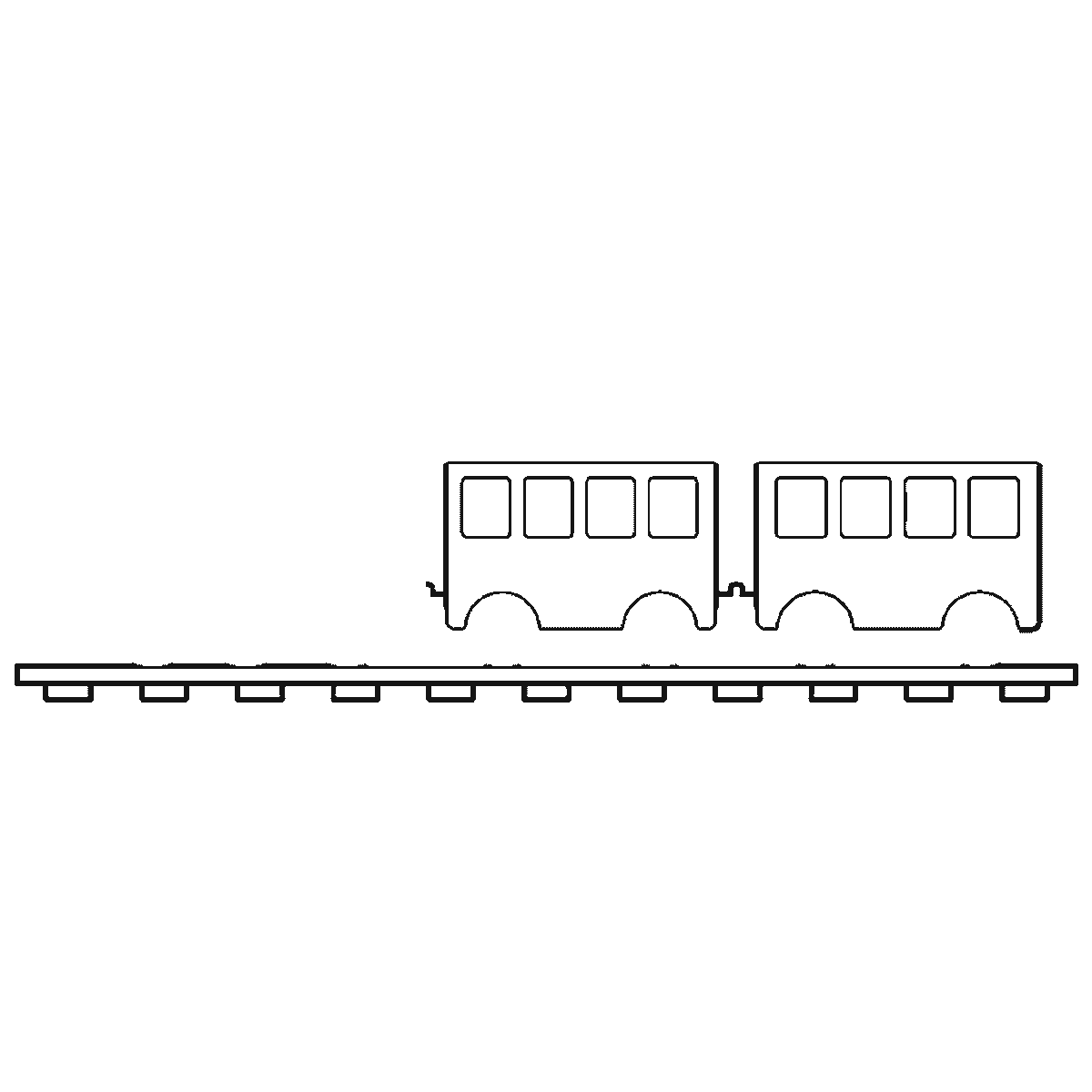
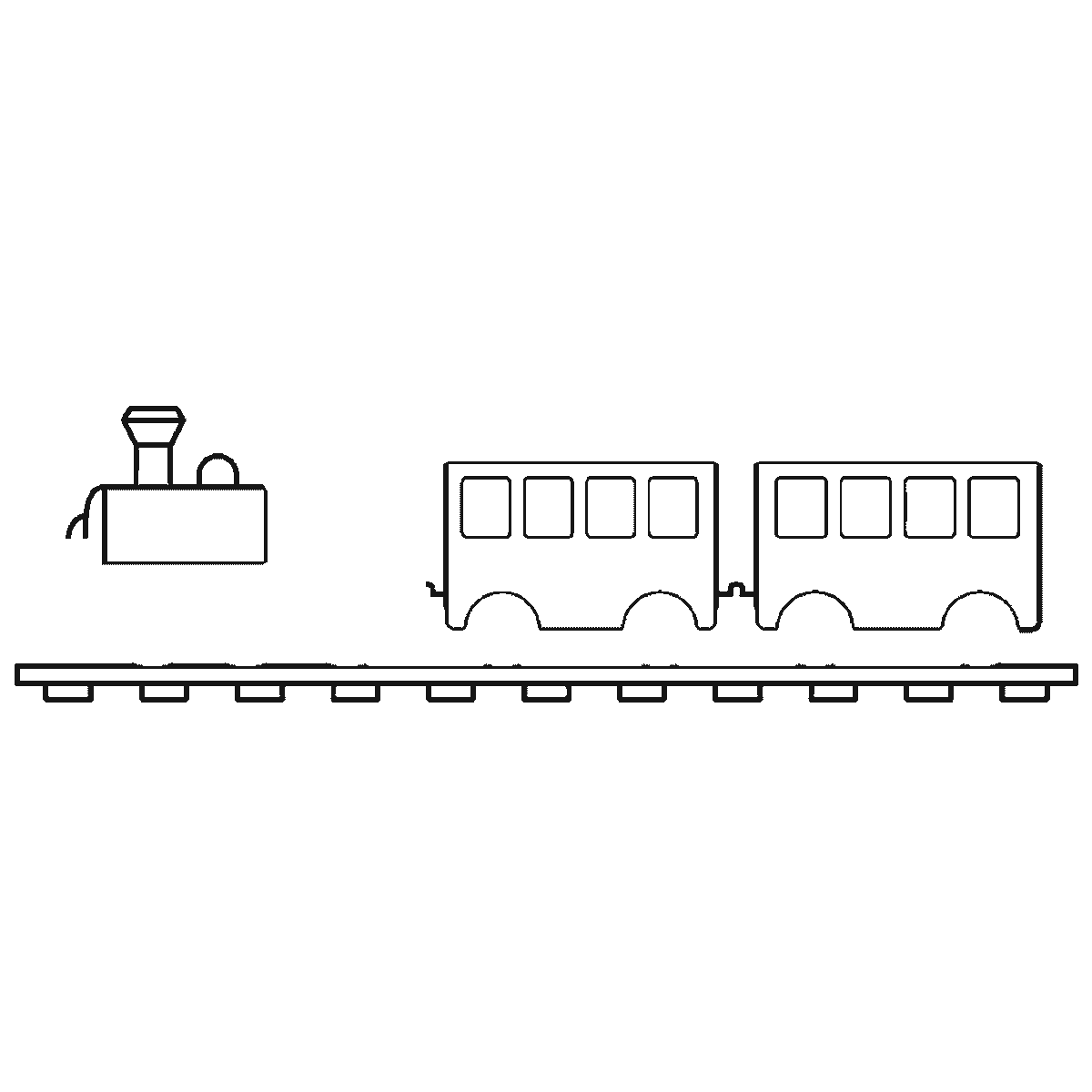
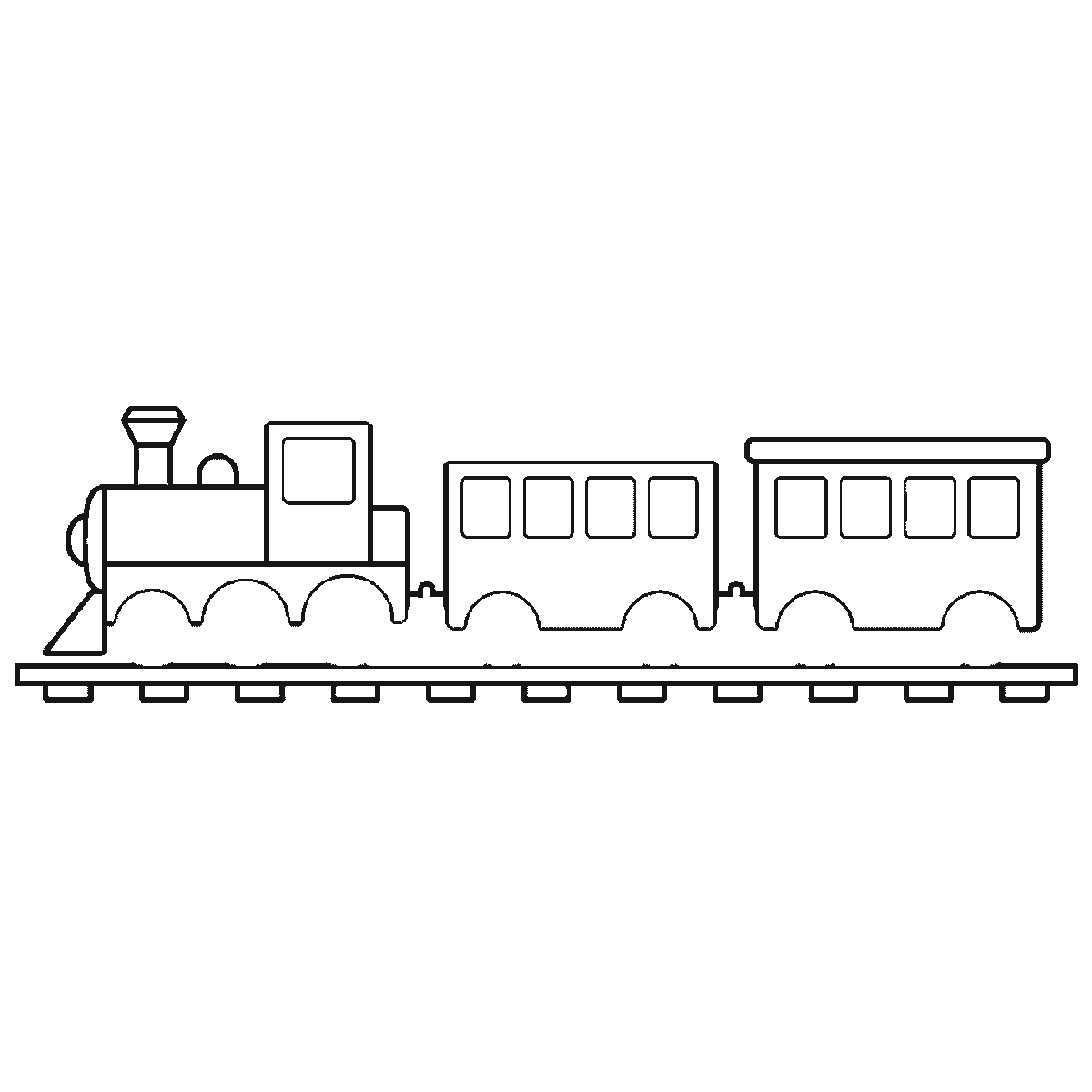
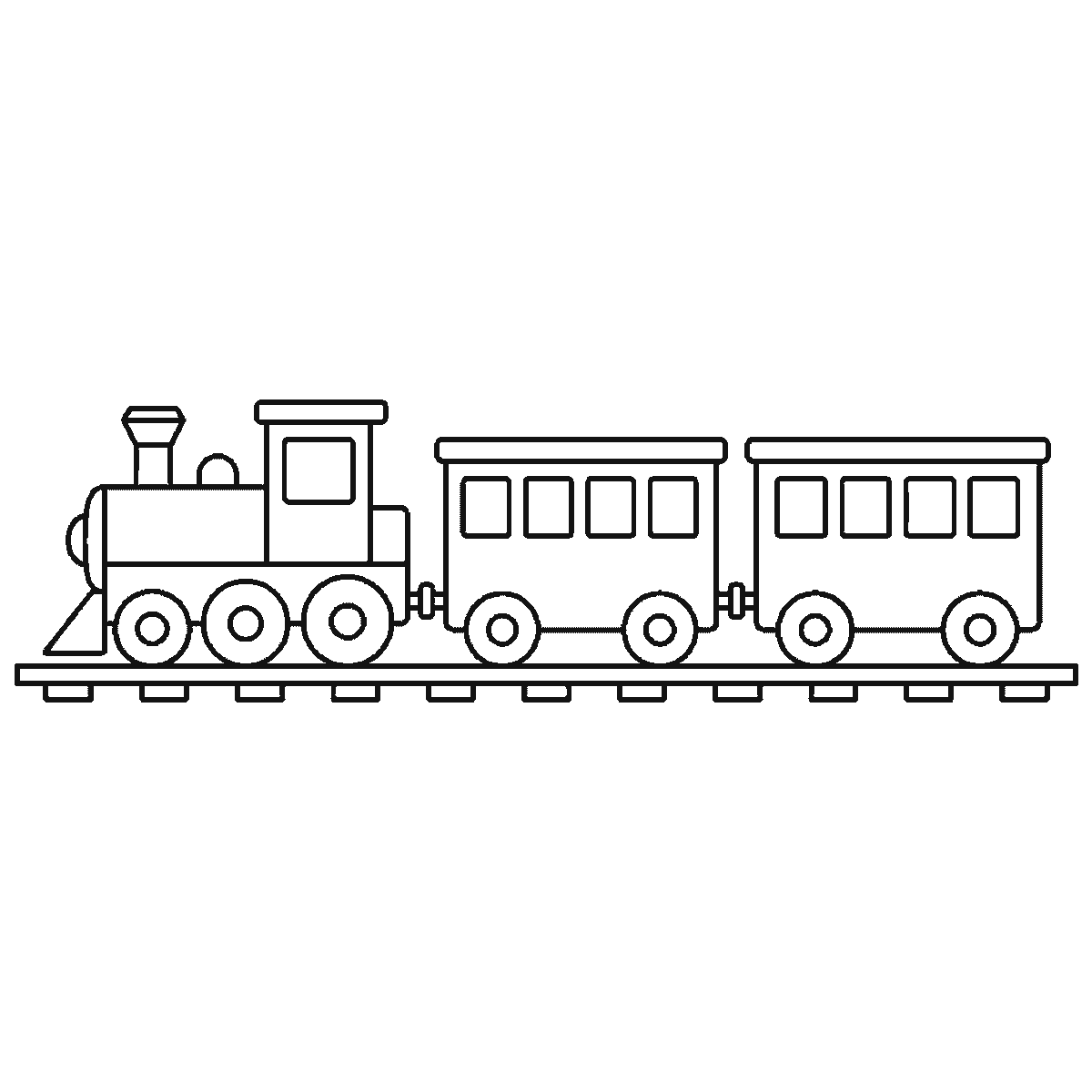
Six frames, a steam locomotive and two carriages on a track. The carriages first, then the track, the funnel and dome, the cab and boiler, and the wheels last.
A steam train is a drawing made almost entirely of cylinders and circles, which makes it far more approachable than its reputation. This sheet builds a locomotive with two carriages, running right to left on a length of track, and every shape on it is one you already know how to draw.
Frame one is not the locomotive at all: it is the two carriages at the back of the train, drawn complete with their window rows and the coupling between them. The boiler arrives much later, in frames three and four. When you reach it, draw it as a rectangle with rounded ends rather than as a true cylinder — at this scale the difference is invisible and the rectangle is far easier to keep straight.
The cab and the boiler share frame four, the cab a taller box sitting up above the boiler's line with its window open at the side. That height difference is what gives a steam engine its distinctive stepped profile, and flattening the two into one level shape loses it immediately.
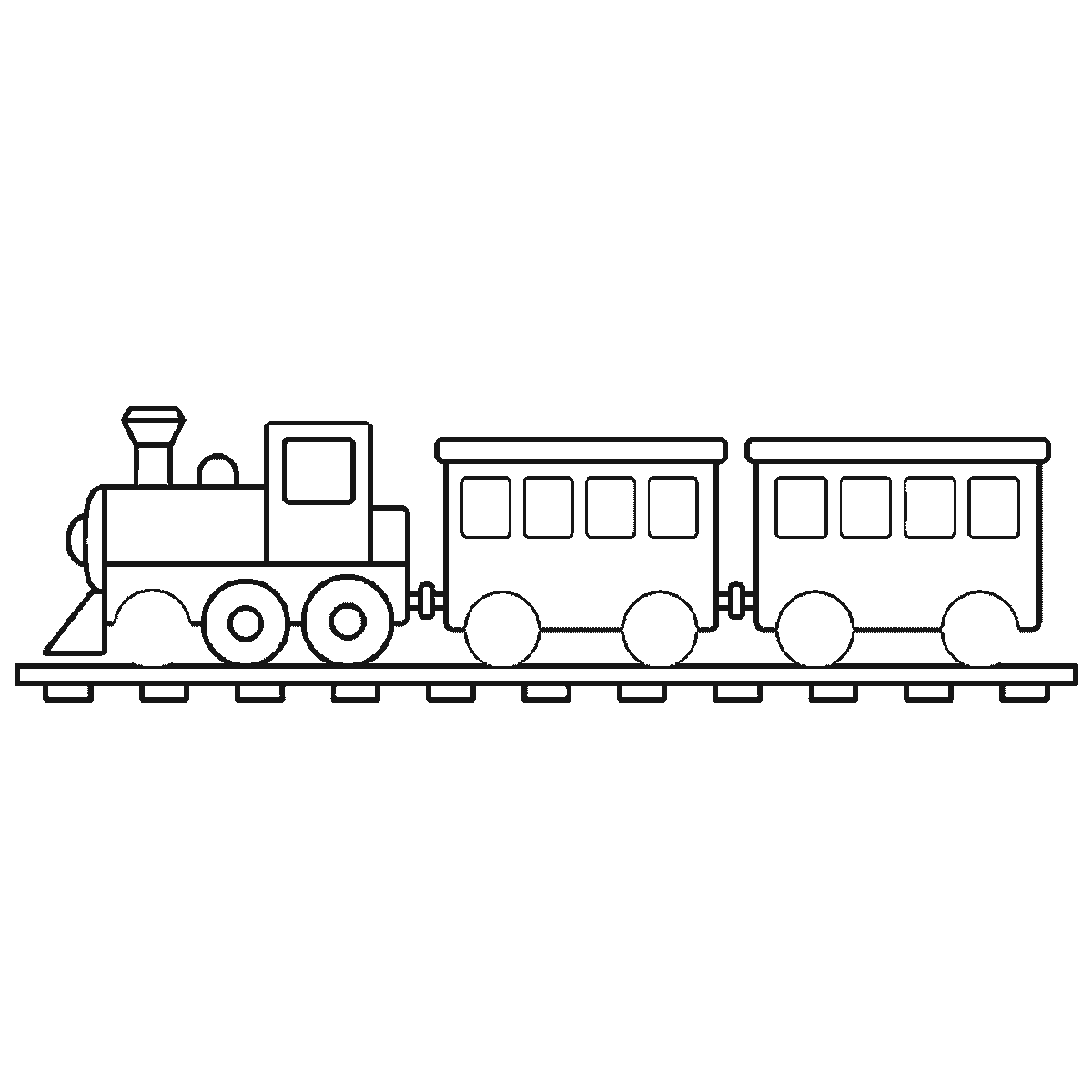
The wheels are genuinely last, frames five and six, after everything they carry is already down. They are the part where steam locomotives differ most from anything else on the road: large, close together in a row, and more numerous than you expect. This engine has three under the boiler — one small leading wheel and two larger drivers — rather than three of a size, and the difference in diameter is worth copying rather than evening out.
Draw the wheels as circles with a smaller circle inside for the hub, and set them so the bottom of each one touches the same horizontal line. Wheels that do not share a baseline make the engine look like it is sinking, and it is a fault that is very hard to spot until somebody points it out.
The funnel and the dome arrive together in frame three, sitting on top of a boiler that has not been drawn yet — the funnel a short tapering cylinder at the front, the dome a rounded shape behind it. Those two shapes are the whole difference between a steam engine and a metal tube on wheels, which is presumably why the sheet commits to them before the tube.
The carriages come first rather than next, and the useful thing to know is that they are simpler than the locomotive and drawn that way: a long box and a row of evenly spaced square windows, with the overhanging roof and the small wheels held back to the last two frames. Resist adding detail; the eye is meant to travel along them, not stop.
The couplings between the vehicles are small but they matter, because without them the carriages are three separate objects that happen to be near each other. A short shape joining each pair at buffer height turns them into a train.
The track goes underneath in frame two, before any part of the engine exists, as two horizontal lines with regular sleepers between them. Sleepers spaced too widely read as a ladder; too close and they read as hatching. Roughly one sleeper per wheel diameter looks about right, and getting the spacing even is more important than getting it accurate.
The frames run from the largest closed shape to the smallest, and on this sheet the two carriage boxes are the largest closed shapes of all — which is why the back of the train is drawn before its front. The track follows, then the funnel, then the engine, then the wheels. Easy to copy, and building the track first and standing the train on it is arguably more logical, which is very nearly what happens here.
Before you start
- Draw the boiler as a rounded rectangle. At this scale a true cylinder gains you nothing.
- Keep the cab taller than the boiler — that stepped profile is what says steam engine.
- Set every wheel's bottom on the same horizontal line, or the engine looks like it is sinking.
- Include the couplings. Without them the carriages are three separate objects.
Published Updated 621 words
The six steps
The steps go from the largest shape to the smallest, which is an easy order to copy. It is not the only order, and it is not a rule — if you would rather start somewhere else on the sheet, do.
Step 1
Step 2
Step 3
Step 4
Step 5
Step 6
More in this section
How to draw a tractor
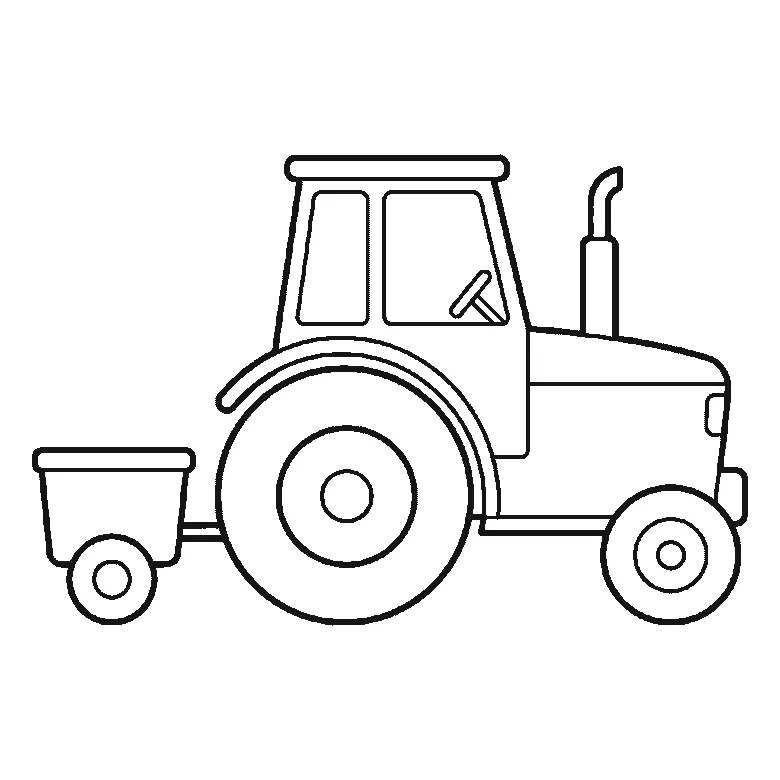
Six frames, a tractor towing a small trailer, seen from the side. The big rear wheel first, then the cab, the trailer, the front wheel and the exhaust.
Step sequence made by us from a single drawing: each step keeps the lines of the one before it and adds to them.
How to draw a rocket
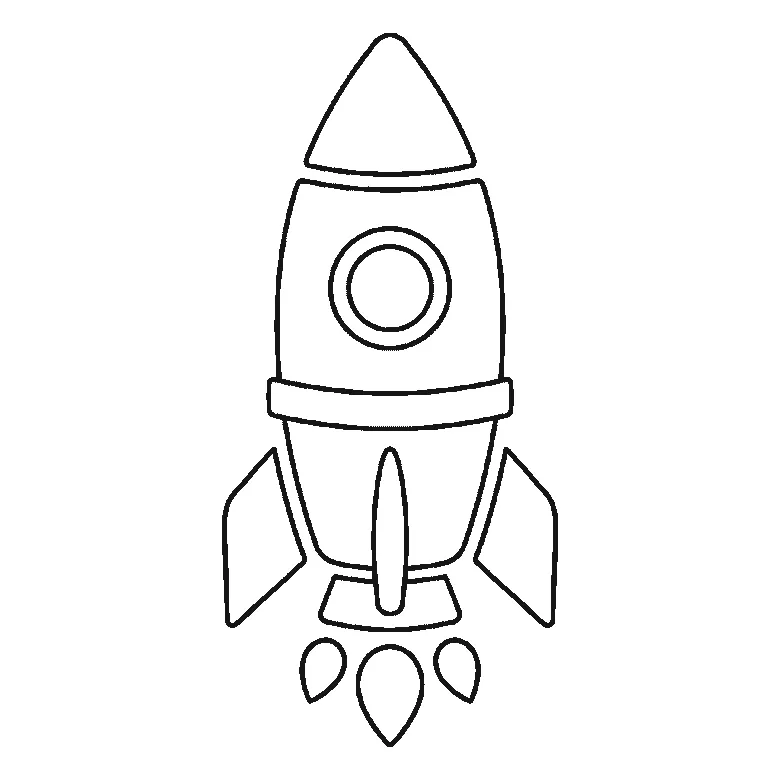
Six frames, one cartoon rocket standing ready. The body panels first, the nose cone second, the fins one at a time, and the flames last.
Step sequence made by us from a single drawing: each step keeps the lines of the one before it and adds to them.
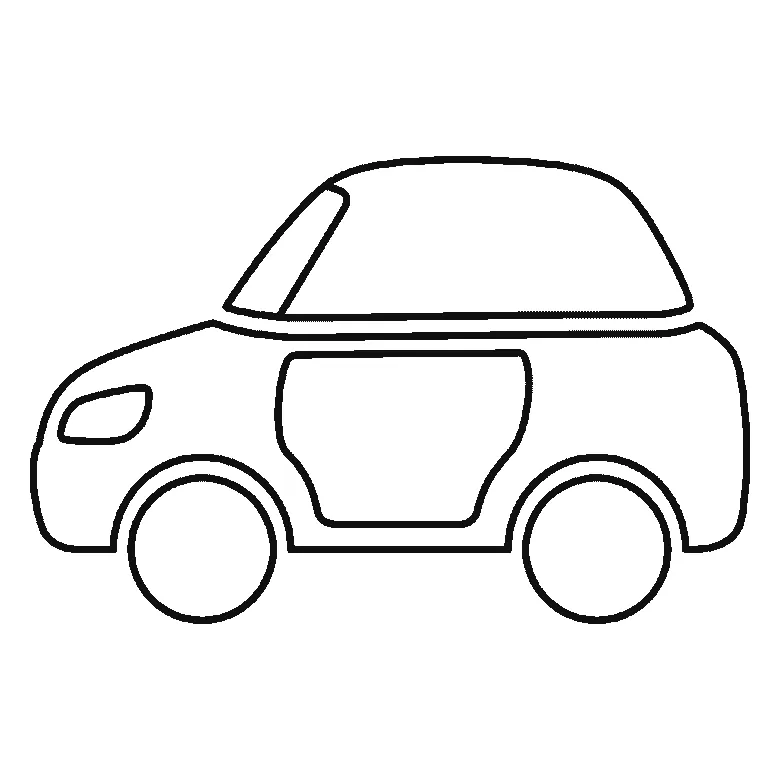
How to draw a car
Six frames, one car seen from the side. The body first, then the roof, windows, wheels and lights.
Step sequence made by us from a single drawing: each step keeps the lines of the one before it and adds to them.
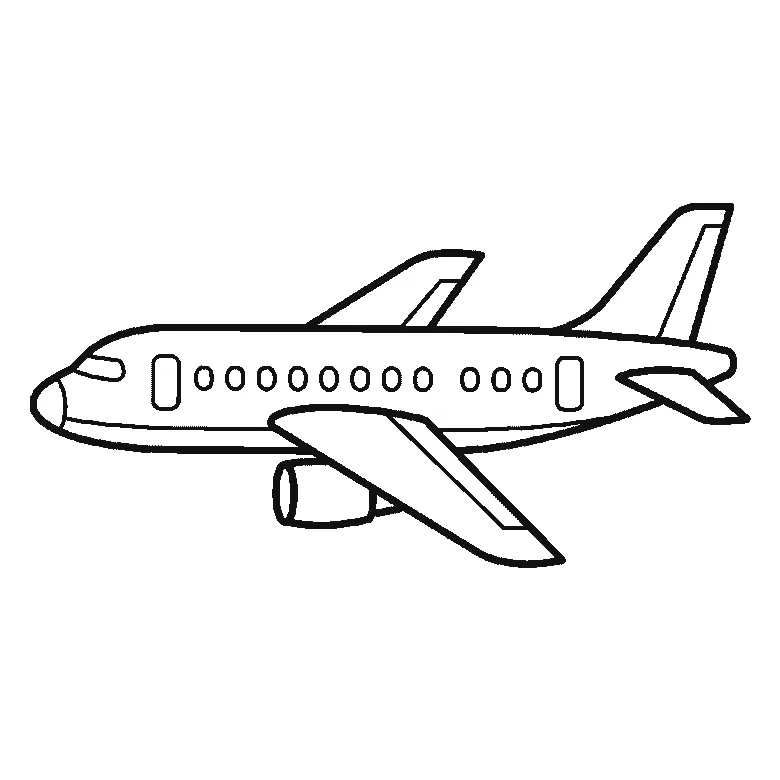
How to draw a plane
Six frames, one aeroplane at a slight angle. The fuselage and all its windows first, then the near wing, the tail fin, the engine, and the far wing last.
Step sequence made by us from a single drawing: each step keeps the lines of the one before it and adds to them.


