
PDF · A4 · 64 KB · Free, no sign-up. For home and classroom use.
How to draw a dinosaur
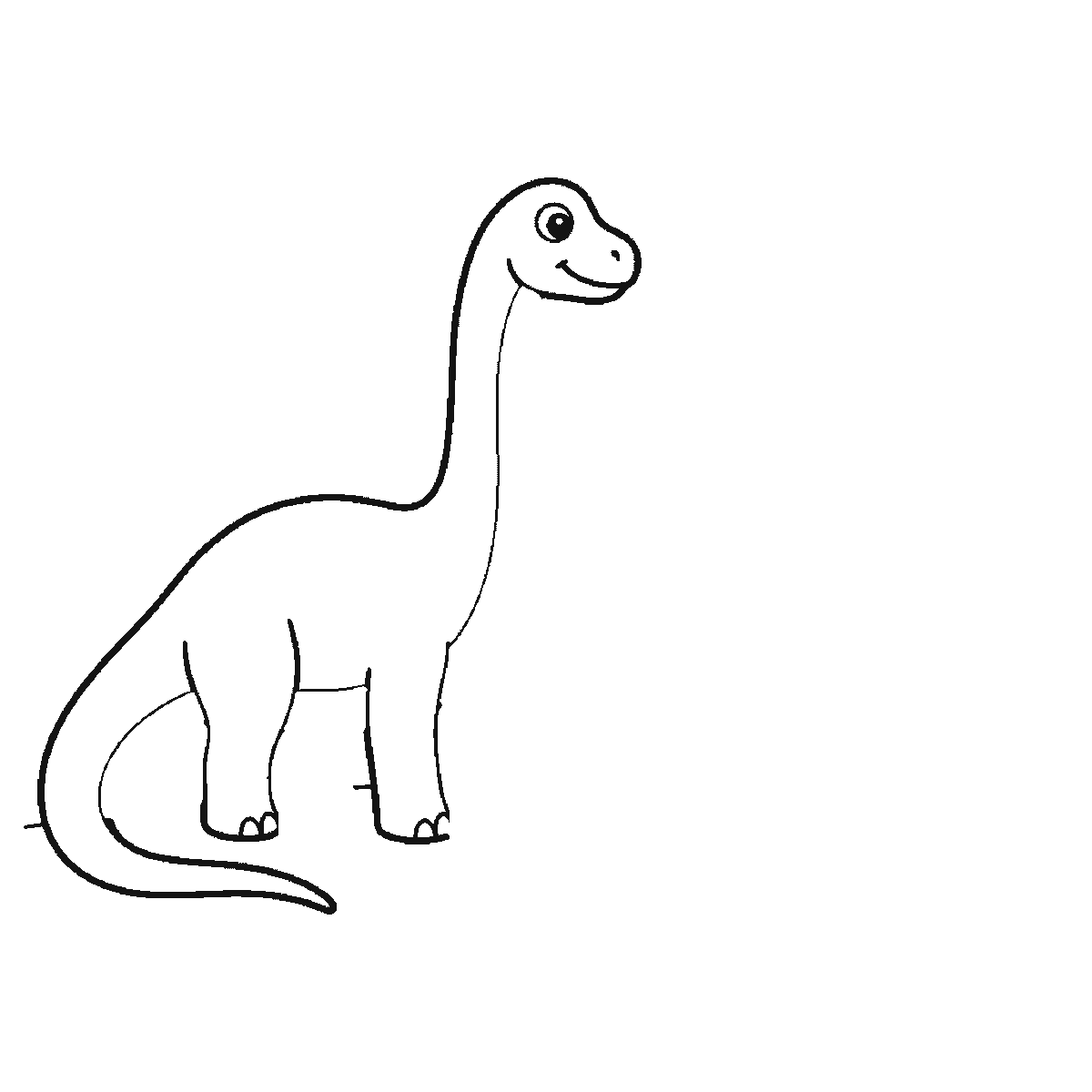
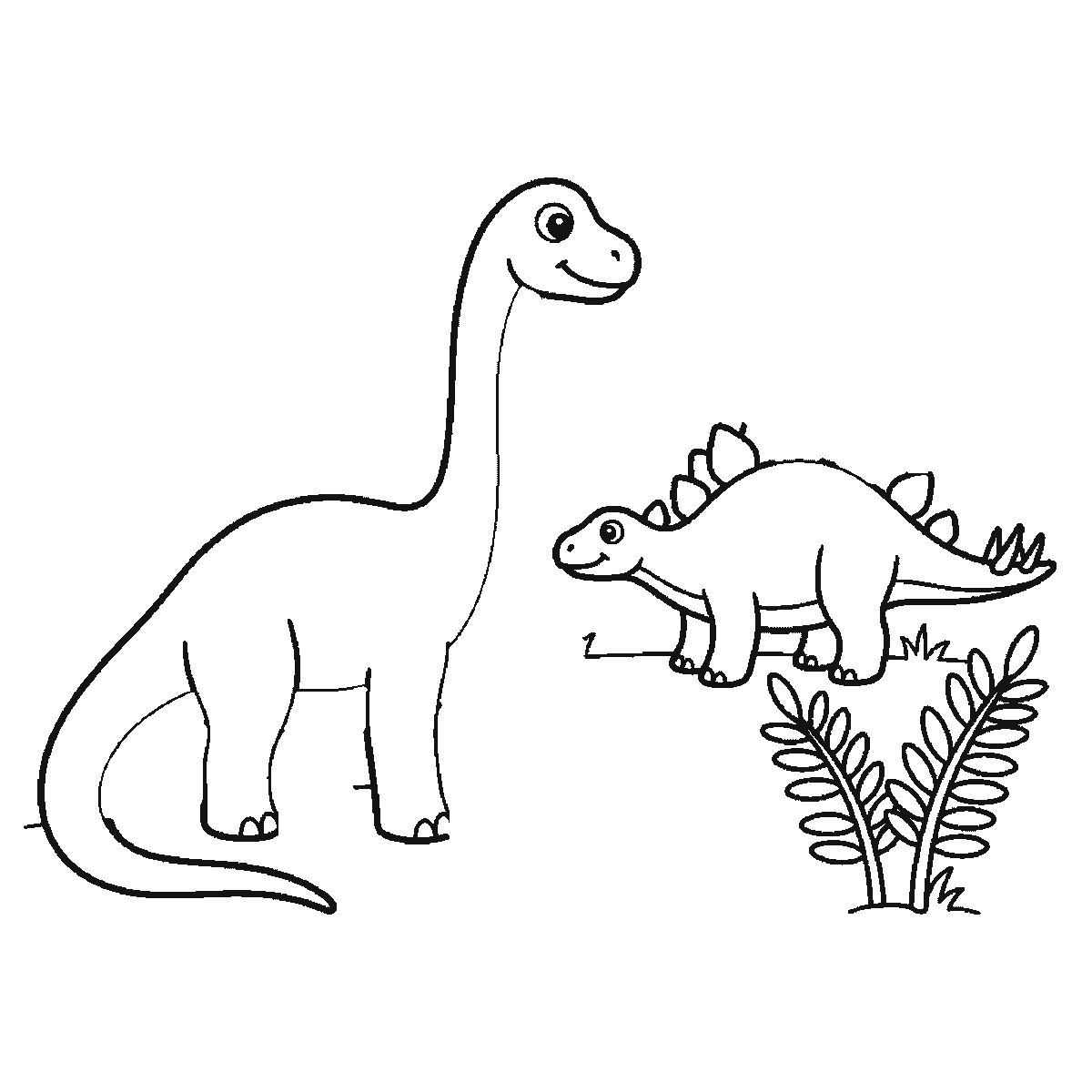
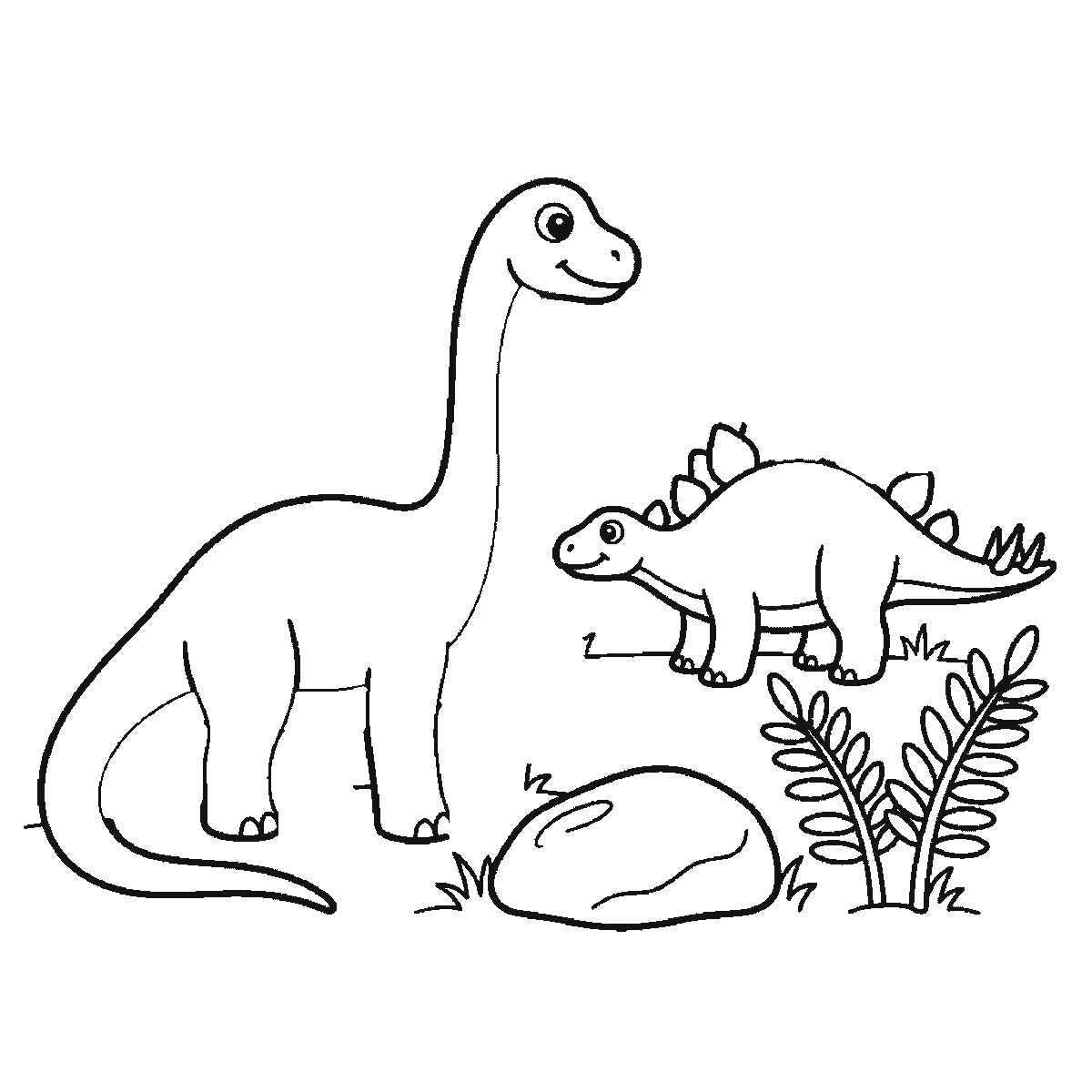
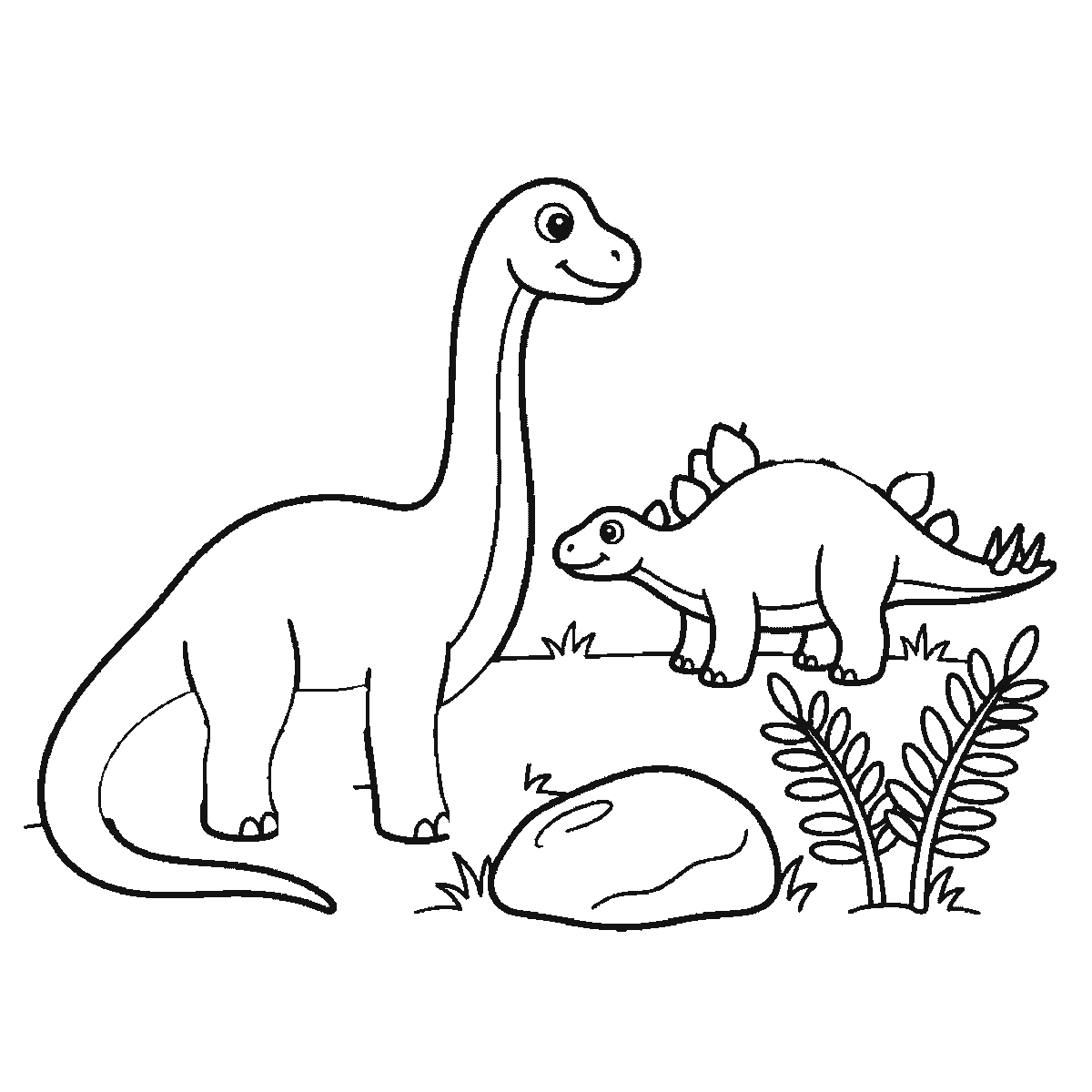
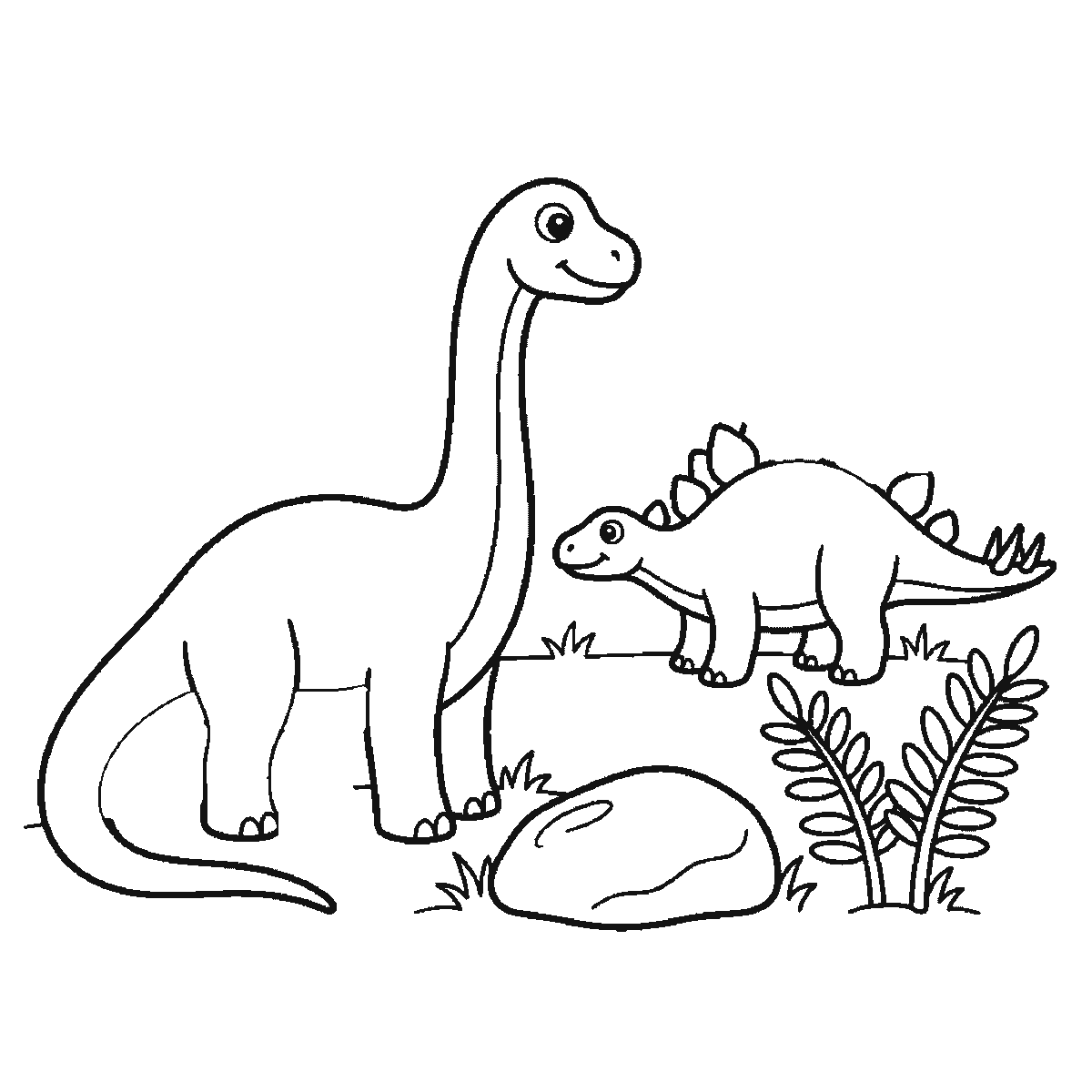
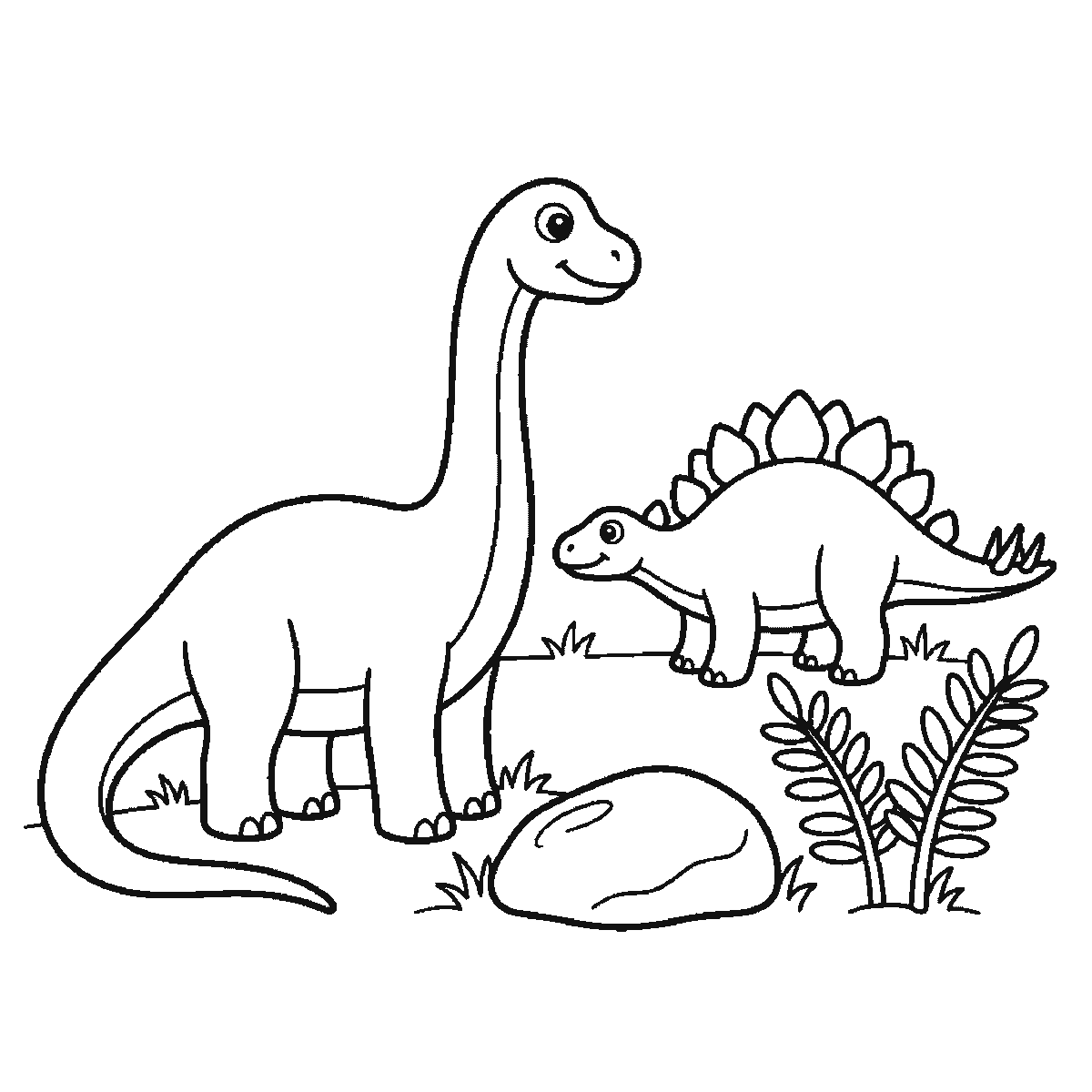
Six frames, two dinosaurs in a landscape. The whole long-necked one in the first frame, then a plated one behind it, a boulder, ferns and grass.
The long-necked dinosaur is the easiest of all the famous ones to draw, and it is a good place to start because the whole animal is four simple shapes joined smoothly: a barrel, a neck, a tail and four columns. Nothing on it is fiddly and nothing has to be sharp.
Frame one is the whole long-necked dinosaur — body, neck, head, tail and the two near legs, all at once. That is unusual, and it changes how to use the sheet: this first frame is the animal, and the five that follow are the place it is standing in. Start with the body and make it big. This is a creature whose entire design is about carrying weight, and a drawing that starts with a modest body ends up looking like a lizard however long you make the neck afterwards. Draw it deeper than feels necessary.
The neck rises from the front of the body in a long smooth curve. The single most useful thing to know is that the neck and the tail should balance each other — roughly similar in length, sweeping in opposite directions. That balance is what makes the animal look like it could actually stand up, and it is the thing most beginner drawings miss.
The head is tiny. Genuinely tiny, smaller than you will want to draw it, not much deeper than the neck it sits on. A head drawn to a comfortable size turns the animal into a giraffe. There is very little in it: a blunt muzzle, a small eye set high, and a simple mouth line.
The near legs come with the body in frame one; the far pair are the very last things on the sheet, in frames five and six. All four are thick columns, straight and vertical, with almost no bend. This is the same construction as the elephant's and for the same reason. The front pair are usually slightly shorter than the back, which tilts the body a little and stops the silhouette from being a plain horizontal.
The feet are broad and rounded, spreading slightly where they meet the ground. As with the elephant, this is what makes the animal look heavy rather than propped up, and it is worth the extra second per foot.
The tail is in frame one with everything else, not saved for the end: thick at the base, tapering to a point, and held clear of the ground in a long sweep. Holding it up rather than dragging it is both the modern reconstruction and the better drawing, because it balances the neck visually and keeps the whole silhouette moving.
Skin texture is optional and less is more. A few long curved lines following the belly and the base of the neck suggest folds. A uniform pattern of small scales all over reads as a handbag and flattens everything.
The second dinosaur deserves a word of its own, because it is a whole animal and not scenery: a smaller plated one standing behind the first, drawn in frame two and given its row of back plates in frame six. It is the same construction at two-thirds the size — a shorter neck, a shorter tail, a lower head, plus the plates. Drawing one set of shapes twice at different sizes on a single page is the most useful thing this sheet offers, and it is the reason the composition holds together.
The frames run largest closed shape first, smallest last, and the long-necked dinosaur is so far the largest thing here that it takes the whole first frame by itself. What follows is the second dinosaur, the boulder, then ferns, grass and the two far legs. Easy to copy, and not a claim about the right way round — starting at the head and working back is perfectly reasonable.
Before you start
- Make the body bigger than feels necessary. Everything else is scaled against it.
- Balance the neck and the tail — similar lengths, opposite directions.
- Draw the head much smaller than you want to. A comfortable-sized head makes a giraffe.
- Hold the tail off the ground. It balances the neck and keeps the silhouette alive.
Published Updated 639 words
The six steps
The steps go from the largest shape to the smallest, which is an easy order to copy. It is not the only order, and it is not a rule — if you would rather start somewhere else on the sheet, do.
Step 1
Step 2
Step 3
Step 4
Step 5
Step 6
More in this section
How to draw a unicorn
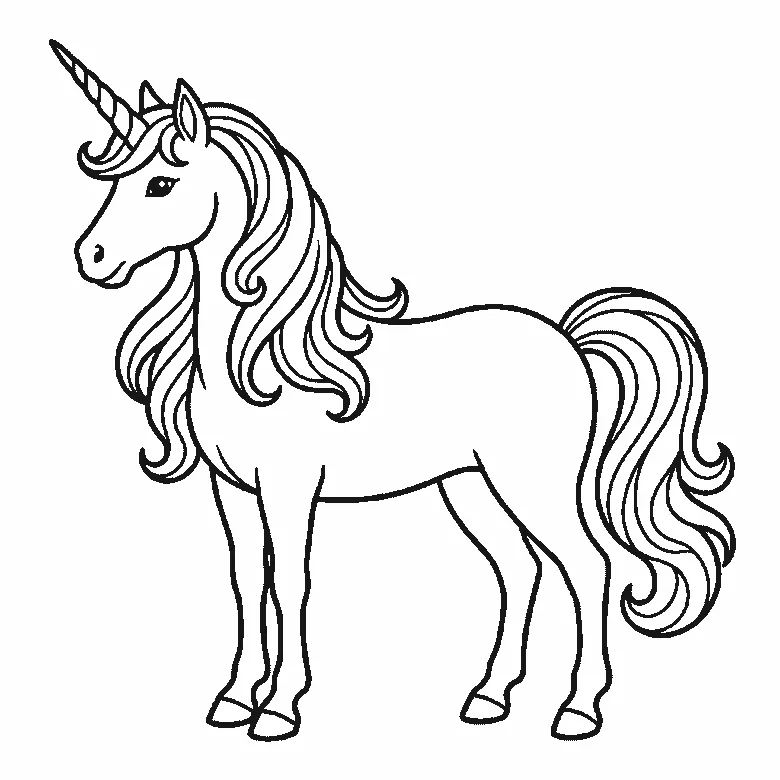
Six frames, one unicorn in profile. Body, head and spiral horn together first, then the two far legs, and the mane and tail last.
Step sequence made by us from a single drawing: each step keeps the lines of the one before it and adds to them.
How to draw a mermaid
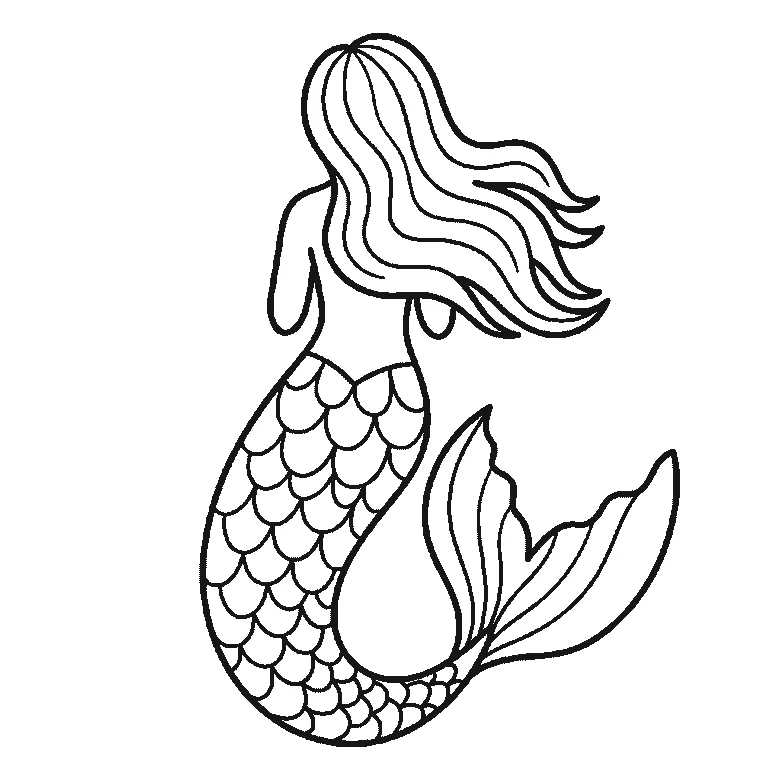
Six frames, one mermaid seen from behind. The body and hair first, then the fin, and the scaled tail last.
Step sequence made by us from a single drawing: each step keeps the lines of the one before it and adds to them.
How to draw a robot
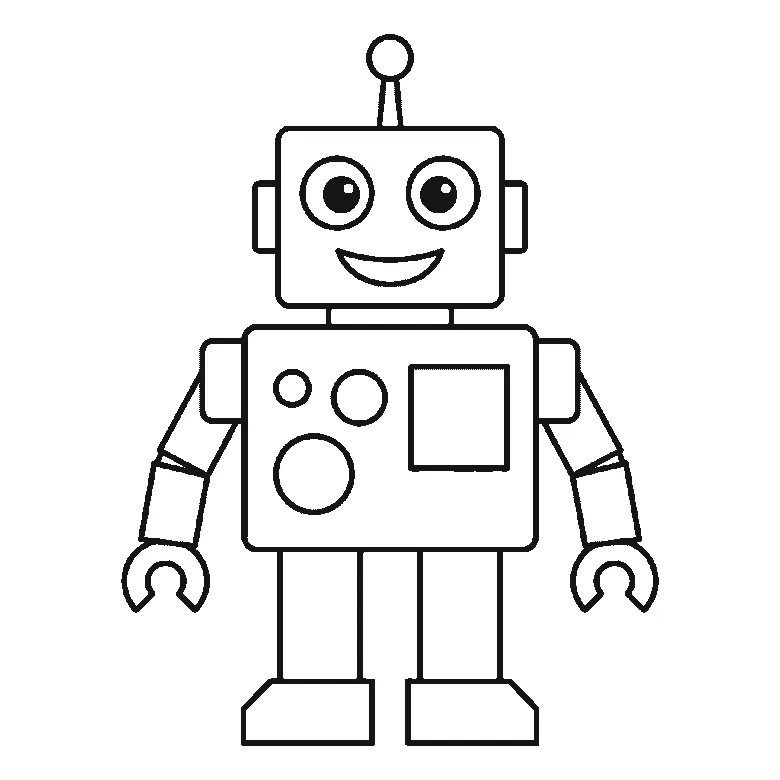
Six frames, one boxy robot facing you. The body first, then the head and face, the legs, the arms, and the antenna last.
Step sequence made by us from a single drawing: each step keeps the lines of the one before it and adds to them.
How to draw wings
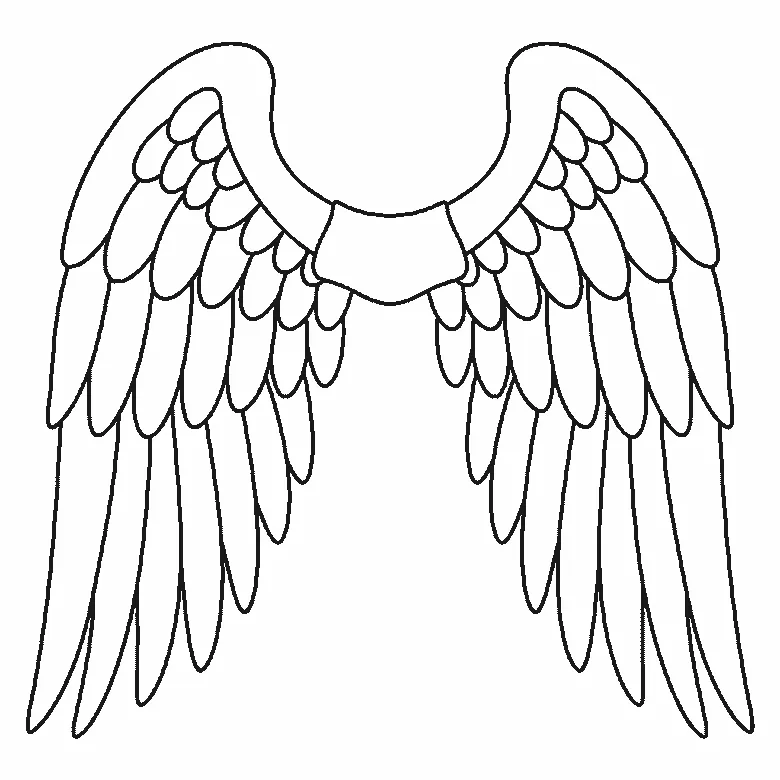
Six frames, one pair of feathered wings. The leading edge first, then the shoulder — then the feathers, outside in and longest first, the same one on both wings.
Step sequence made by us from a single drawing: each step keeps the lines of the one before it and adds to them.
How to draw a dragon
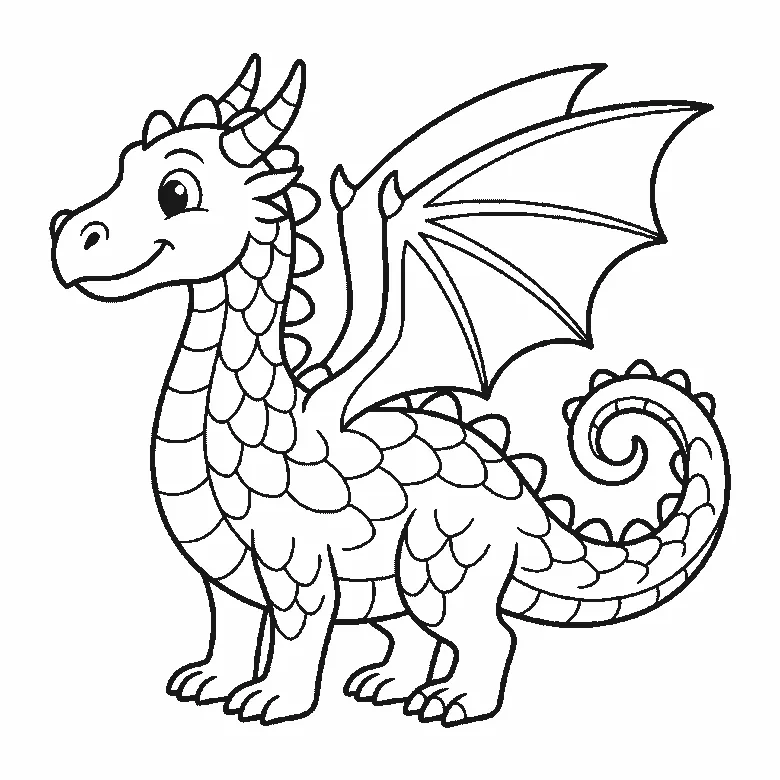
Six frames, one friendly dragon in profile. The body, legs and curled tail first, then the head, the wing, and the scaled neck last.
Step sequence made by us from a single drawing: each step keeps the lines of the one before it and adds to them.


