
PDF · A4 · 70 KB · Free, no sign-up. For home and classroom use.
How to draw a unicorn
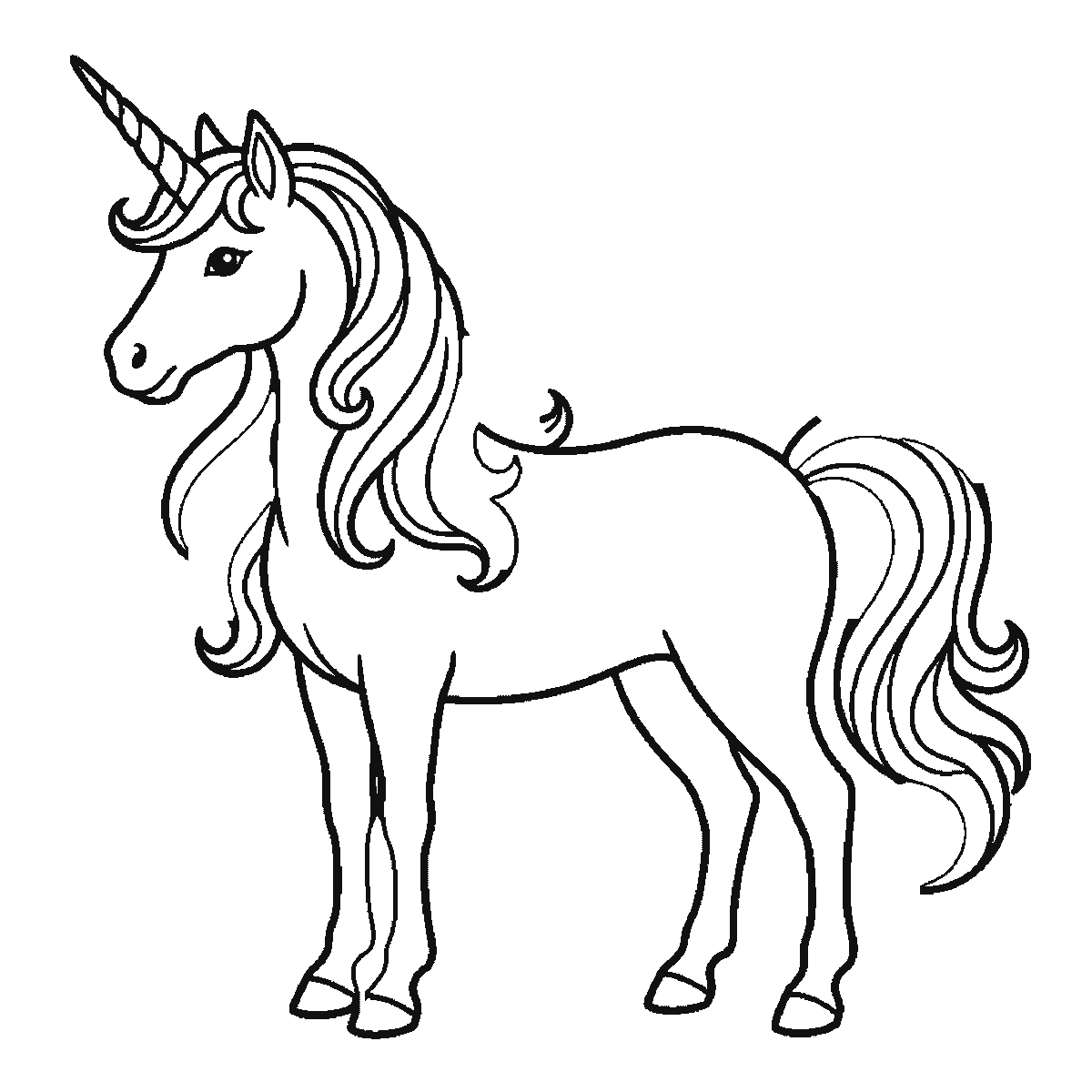
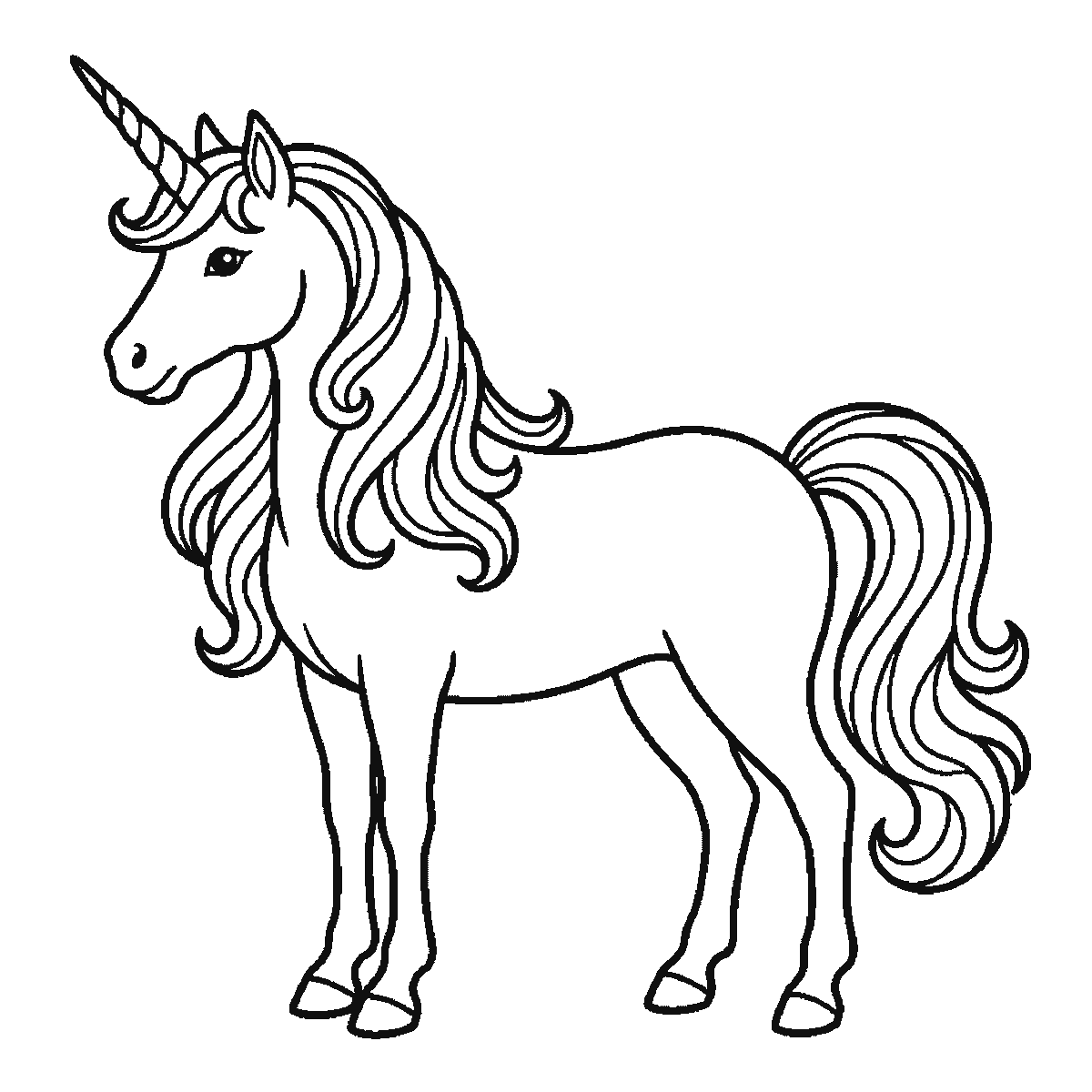
Six frames, one unicorn in profile. Body, head and spiral horn together first, then the two far legs, and the mane and tail last.
A unicorn is a horse with three additions, and the useful way to think about this sheet is that five of its six frames are teaching you a horse. If you can draw this, you can draw a horse, and the reverse is also true — which makes it a good subject for anyone who wants the horse practice but finds horses intimidating.
Frame one is almost the entire unicorn: body, neck, head, muzzle, eye, ear, the two near legs down to their hooves, and the spiral horn already standing on the forehead. Only the far legs and the mane and tail are missing from it. The proportion to check before anything else is the same one the horse needs: a neck about one head long. It is worth measuring with your pencil rather than guessing, because every other shape on the page is placed relative to these.
The horn is inside that first frame, drawn with the head rather than added to it, which means its placement is settled at the same moment as everything else. It rises from the forehead, not from the nose. That is the commonest error on this subject: a horn set too far forward makes the animal look like a rhinoceros, and set too far back it looks like an antenna. Just above and between the eyes is right.
The horn itself is a long tapering cone with a spiral running up it. Draw the cone first as a clean outline, then add the spiral as a series of shallow curves crossing it, closer together towards the tip. Drawing the spiral first and trying to build the cone around it almost never works.
The mane is where a unicorn stops being a horse, and this sheet spends its last three frames on the mane and the tail together, lock by lock. Draw the whole mass first — longer, thicker and more wavy than a real horse's, with a strongly curved lower edge — and divide it into locks afterwards. It should look like it is moving even when the animal is standing still.
Two legs are in frame one with the body and the far pair arrive on their own in frames two and three. Everything a horse's legs need applies here: tapering tubes rather than lines, a small blunt hoof at the end, and the middle joint on the back leg bending backwards rather than forwards. It is the one place on this drawing where getting it wrong is genuinely visible.
The tail is longer and fuller than a horse's, sweeping down and out, and it is built up across the same last three frames as the mane. Like the mane, it reads better drawn as a single mass with a wavy edge than as separate strands, and it wants a definite direction — a tail drawn hanging straight down makes the whole animal look becalmed.
The face is worth a little attention at the end. A slightly shortened muzzle and a larger eye than a real horse's shifts the animal from horse-with-a-horn towards something gentler, which is usually the effect people want. It is two small adjustments, not a redesign.
In profile only one eye shows, and one nostril, and one ear. That is a real advantage on a subject where symmetry is otherwise hard, and it is why this sheet uses the side view rather than a three-quarter one.
The six frames run from the biggest closed shape to the smallest, which on this drawing means one very large first frame and five small ones: the whole animal, then a leg, then a leg, then mane and tail locks. It is a straightforward order to copy and it is not the correct one, because there is not one.
Before you start
- Set the horn on the forehead, above and between the eyes — not on the nose.
- Draw the horn's cone first, then the spiral across it.
- Make the mane and tail longer and wavier than a real horse's, each as one mass with a wavy edge.
- The back leg's middle joint still bends backwards. A unicorn is a horse in every part that matters.
Published Updated 627 words
The six steps
The steps go from the largest shape to the smallest, which is an easy order to copy. It is not the only order, and it is not a rule — if you would rather start somewhere else on the sheet, do.
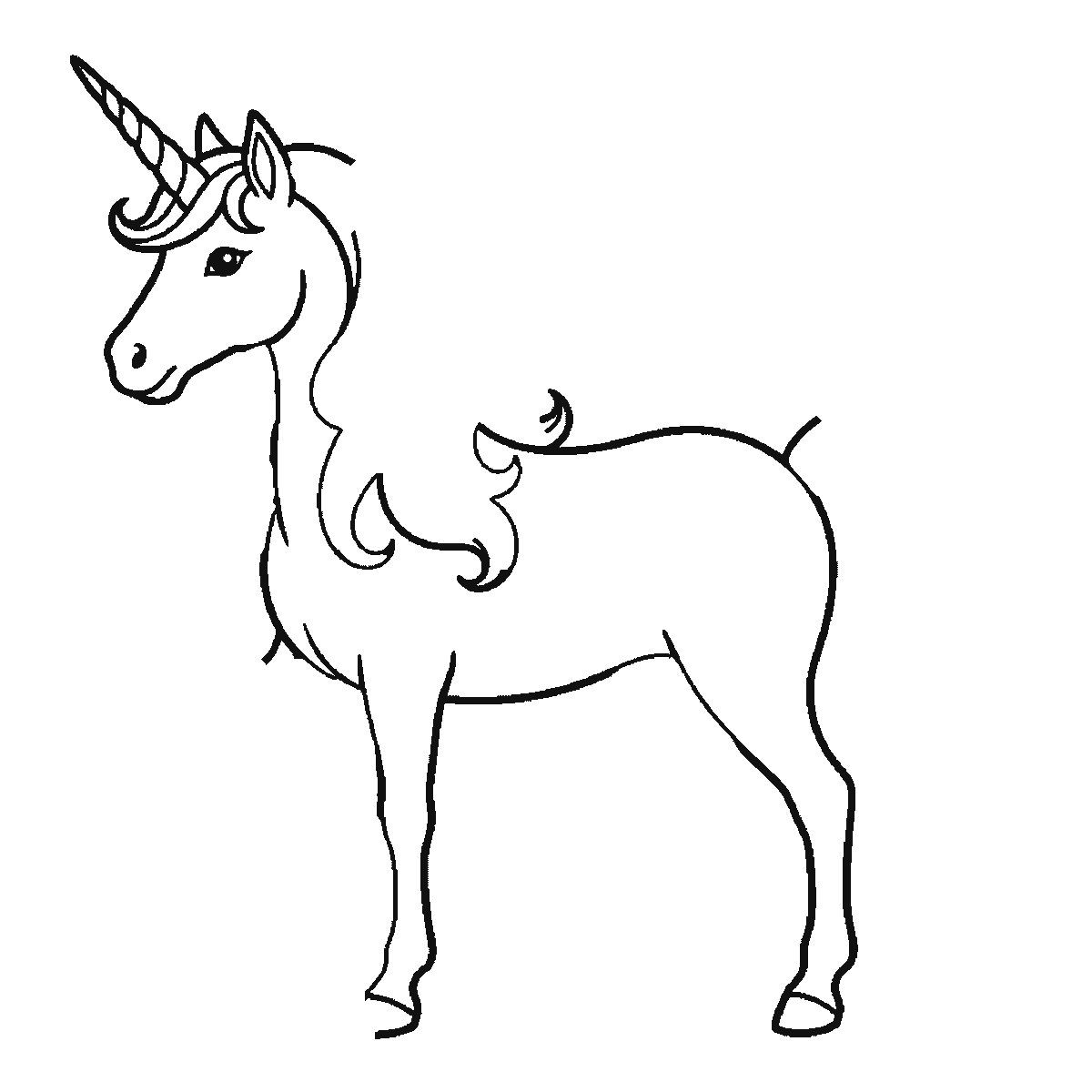
Step 1
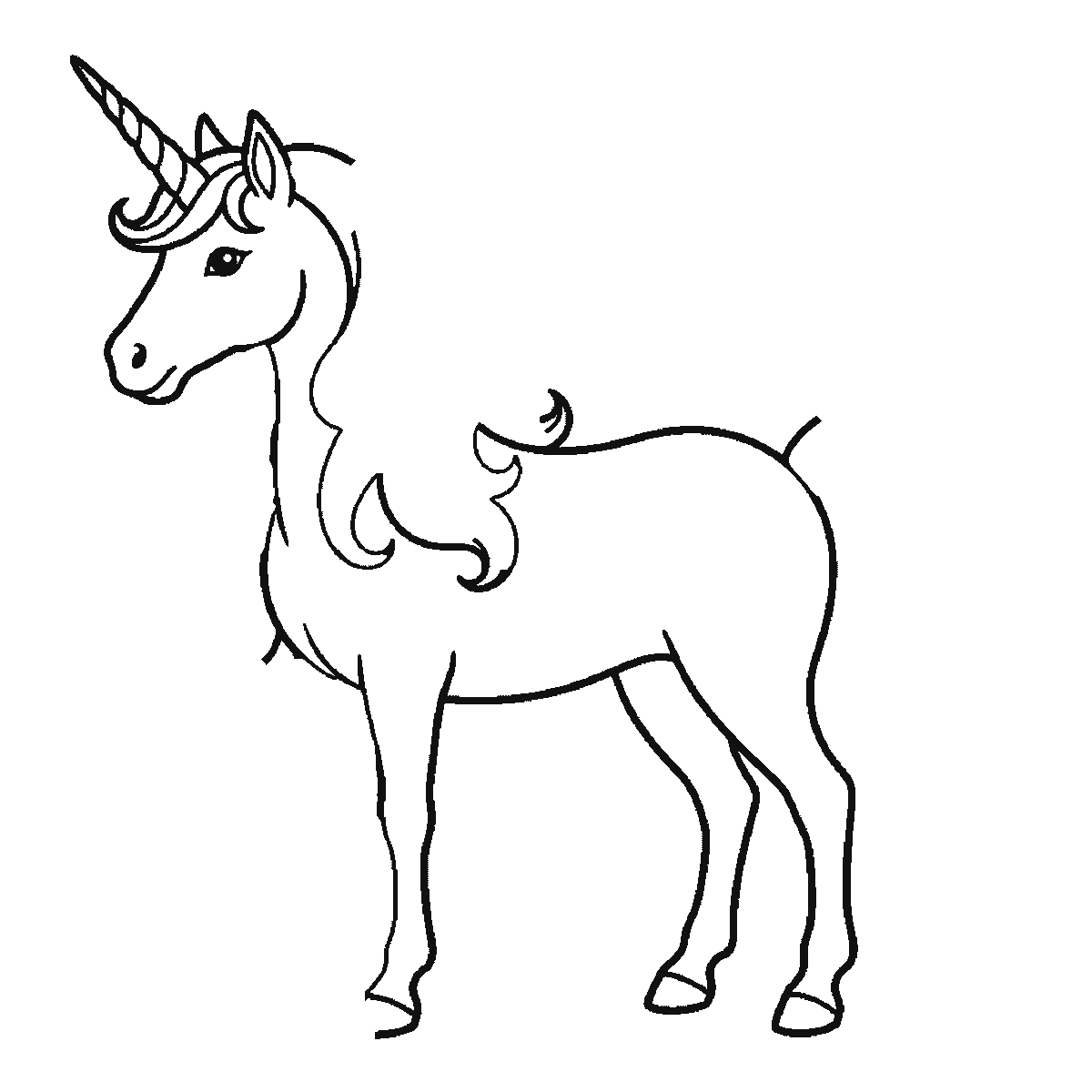
Step 2
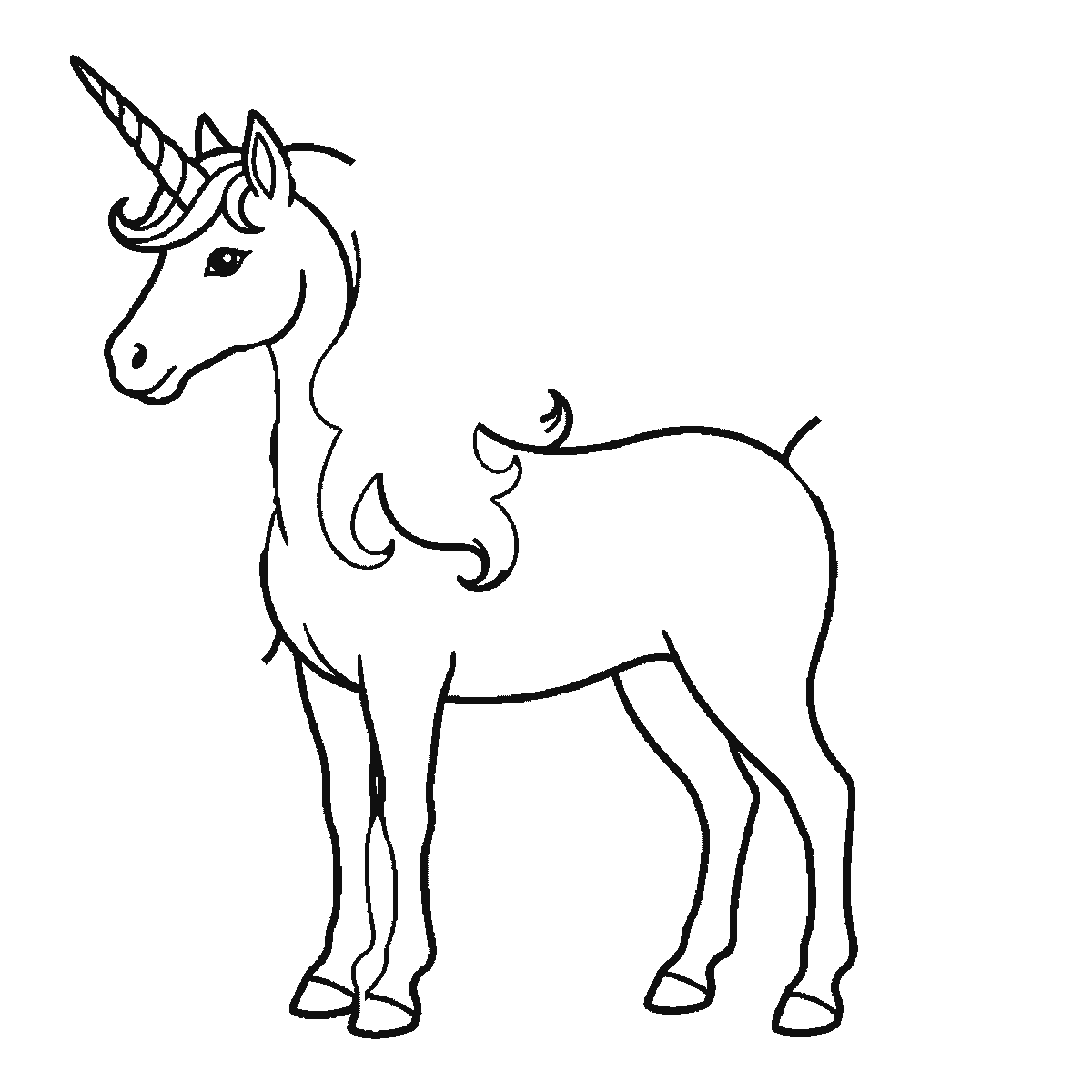
Step 3
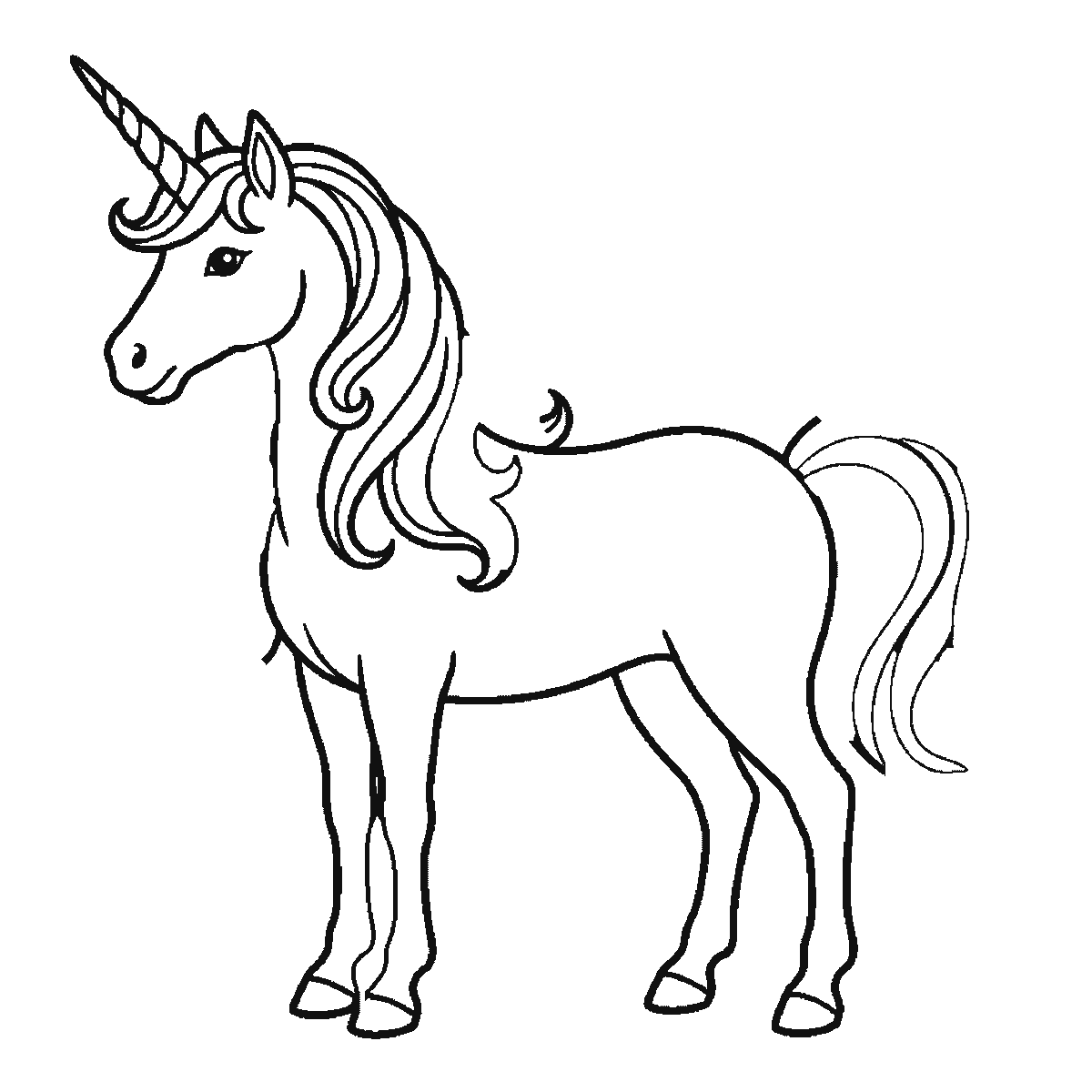
Step 4
Step 5
Step 6
More in this section
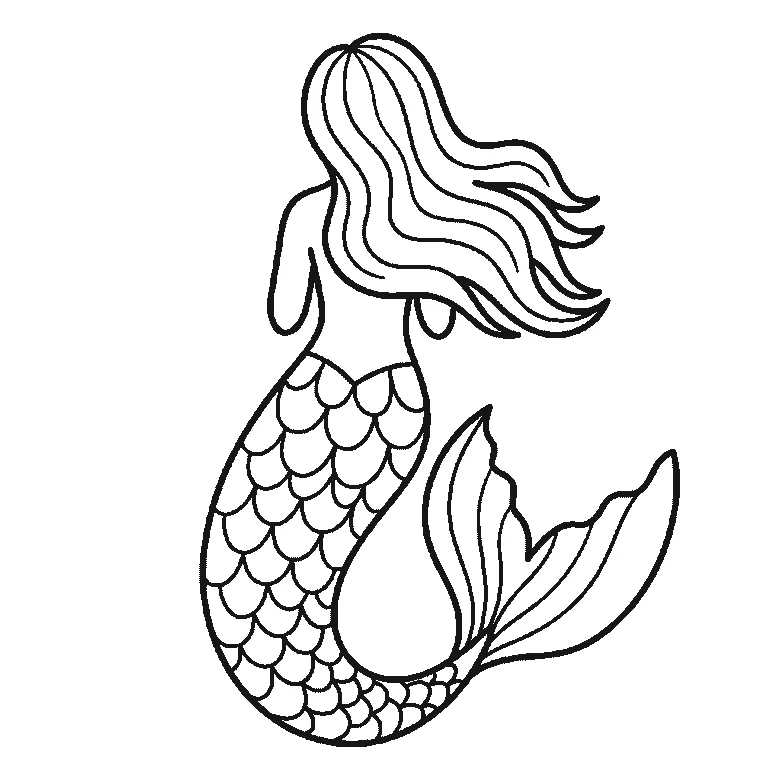
How to draw a mermaid
Six frames, one mermaid seen from behind. The body and hair first, then the fin, and the scaled tail last.
Step sequence made by us from a single drawing: each step keeps the lines of the one before it and adds to them.
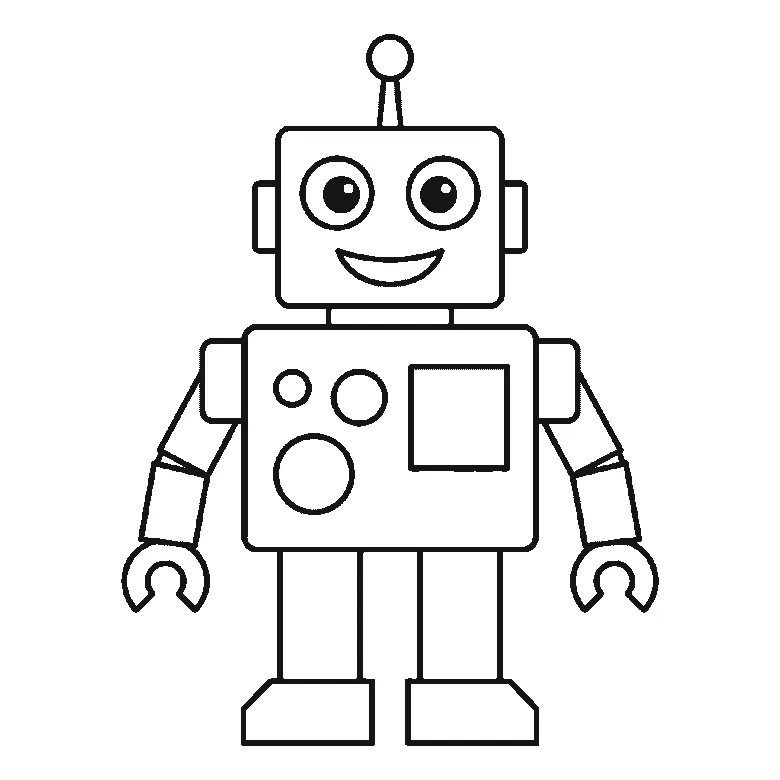
How to draw a robot
Six frames, one boxy robot facing you. The body first, then the head and face, the legs, the arms, and the antenna last.
Step sequence made by us from a single drawing: each step keeps the lines of the one before it and adds to them.
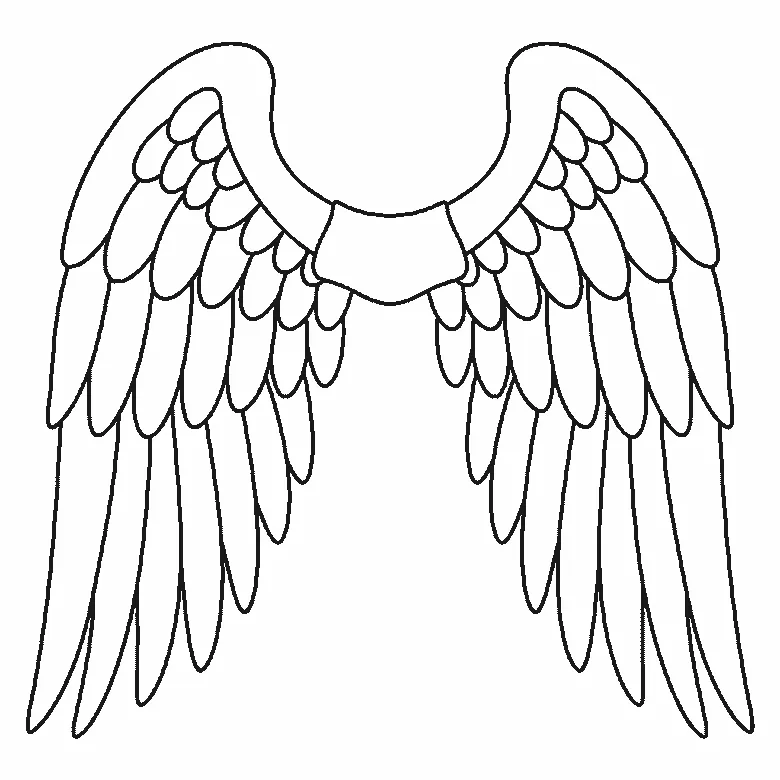
How to draw wings
Six frames, one pair of feathered wings. The leading edge first, then the shoulder — then the feathers, outside in and longest first, the same one on both wings.
Step sequence made by us from a single drawing: each step keeps the lines of the one before it and adds to them.
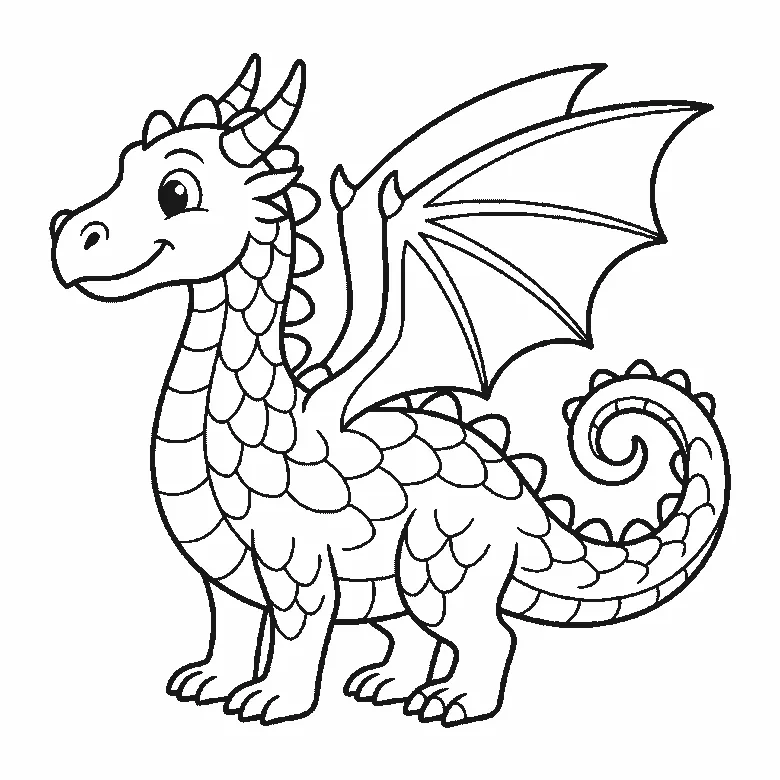
How to draw a dragon
Six frames, one friendly dragon in profile. The body, legs and curled tail first, then the head, the wing, and the scaled neck last.
Step sequence made by us from a single drawing: each step keeps the lines of the one before it and adds to them.
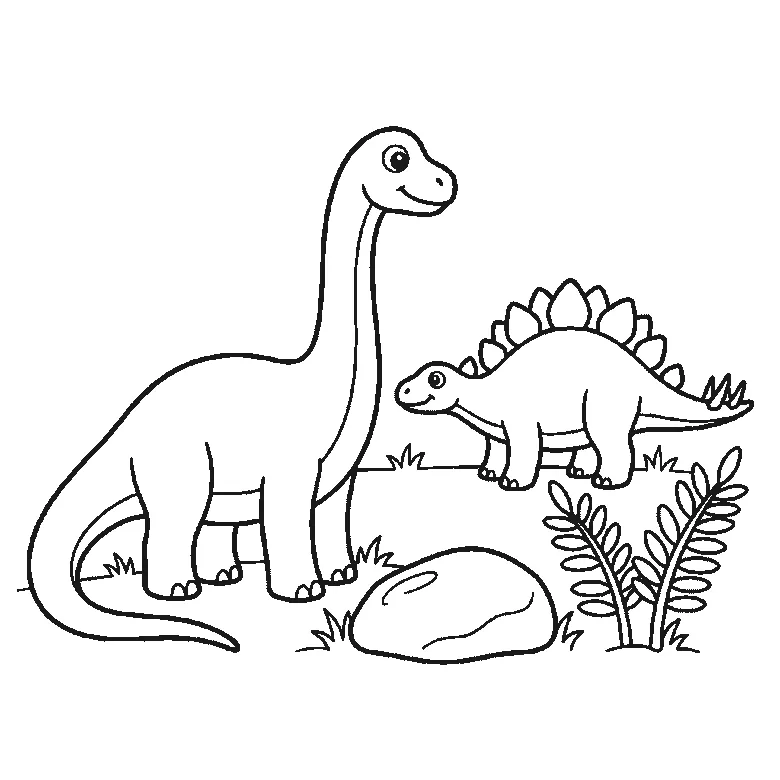
How to draw a dinosaur
Six frames, two dinosaurs in a landscape. The whole long-necked one in the first frame, then a plated one behind it, a boulder, ferns and grass.
Step sequence made by us from a single drawing: each step keeps the lines of the one before it and adds to them.


