
PDF · A4 · 82 KB · Free, no sign-up. For home and classroom use.
How to draw a kitten
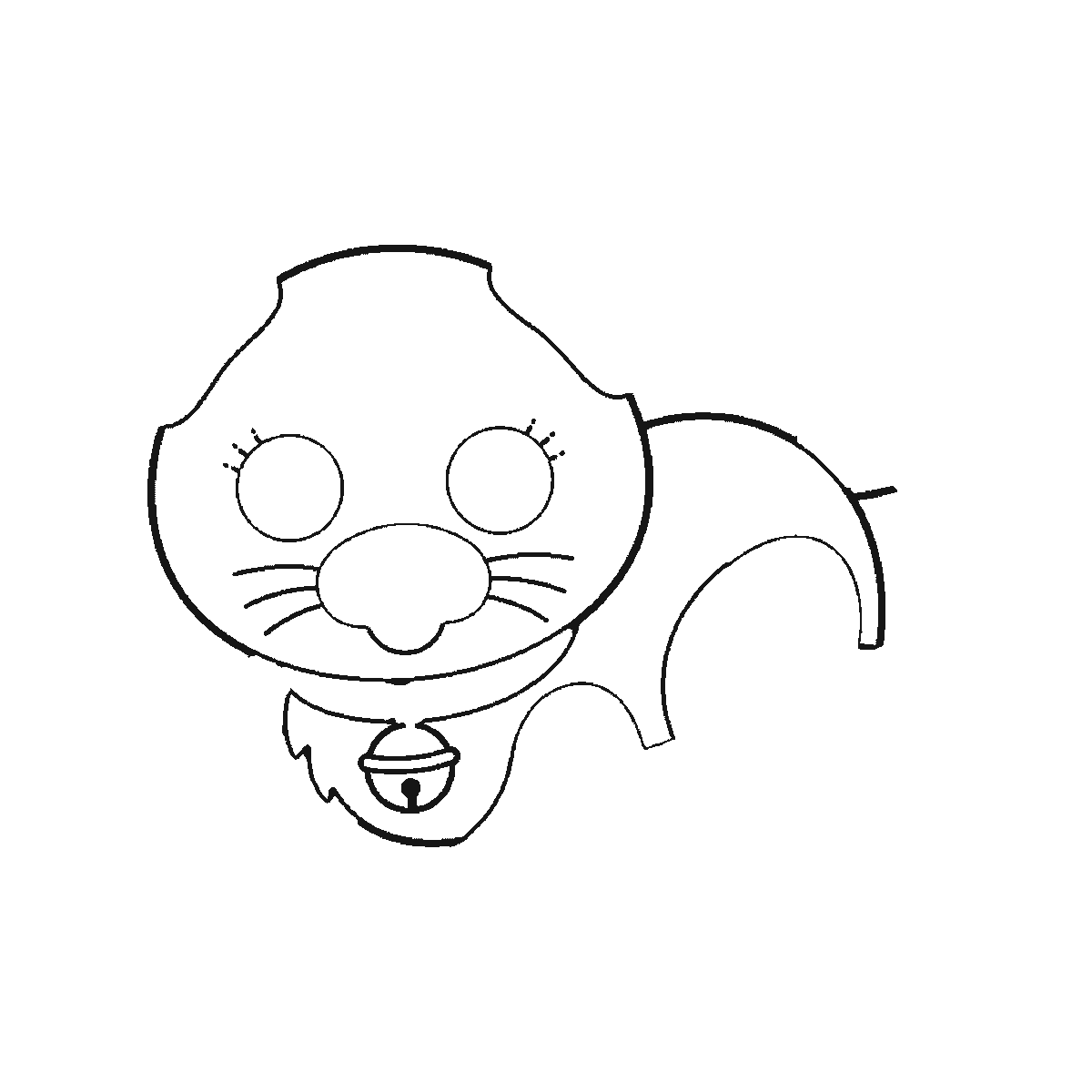
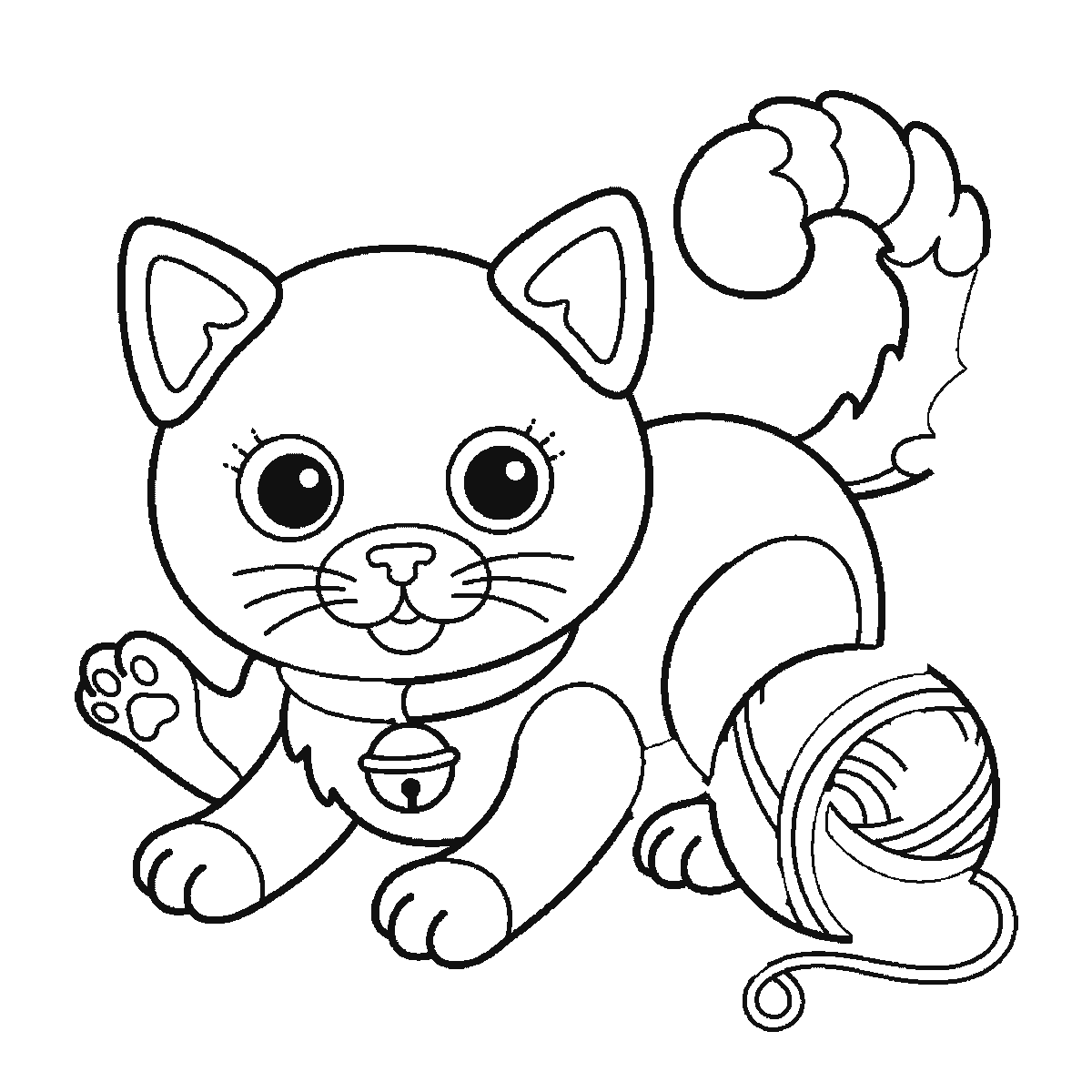
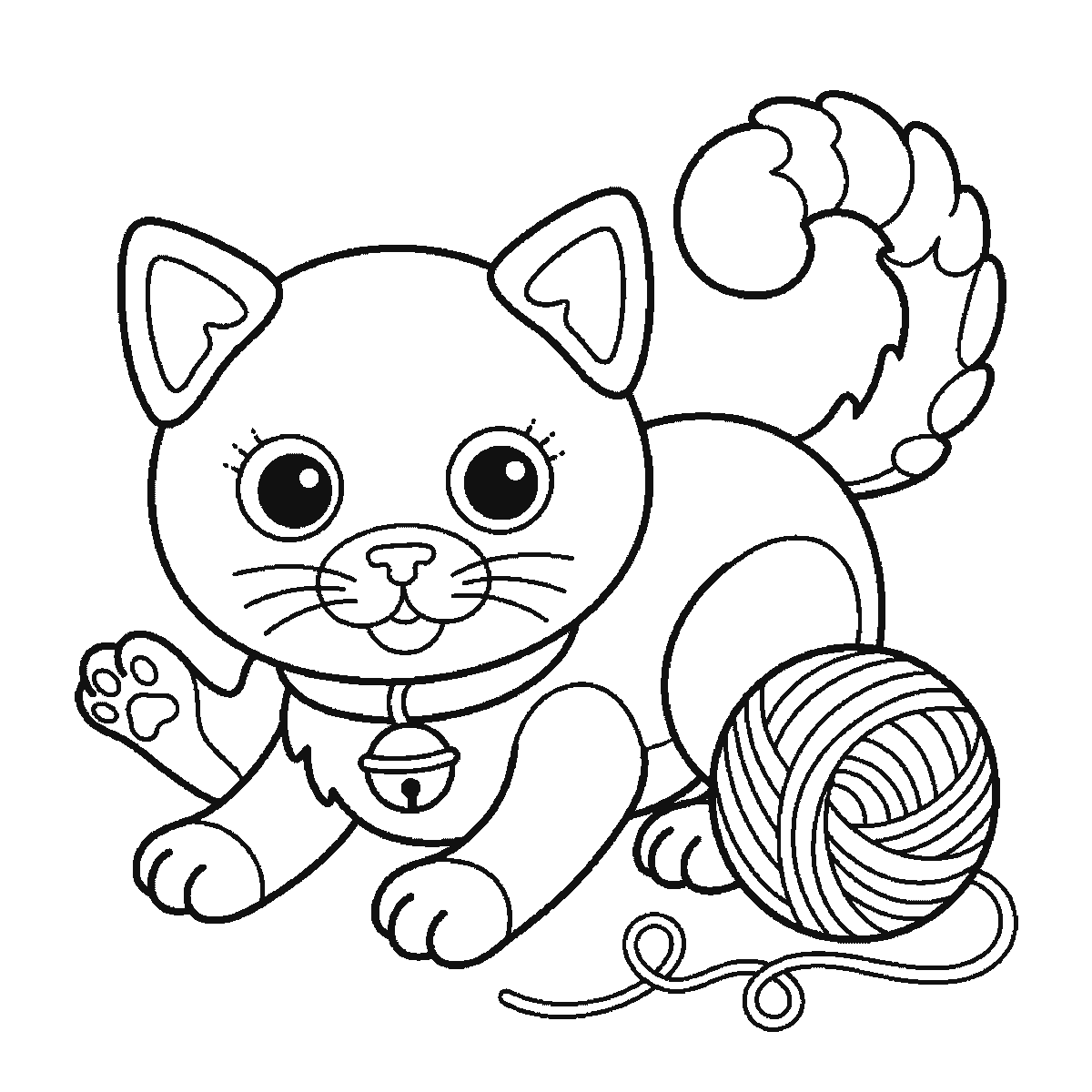
Six frames, one kitten crouching over a ball of wool. The head and collar first, the ears one at a time after it, and the filled pupils near the end.
This sheet takes one drawing of a kitten crouched low over a ball of wool and shows it six times, each frame carrying everything the frame before it had and adding a little more. By the last frame you have the whole picture. Print it, set it beside your paper, and copy one frame at a time — the point of the six is that you are never asked to draw the whole thing at once.
Frame one is the head, and it arrives more finished than you might expect: the round skull, the muzzle with its whiskers, the small triangular nose, both eyes drawn as complete open rings with lashes above them, the collar band with its little bell hanging from it, and the curve of the back running away to the right with the first part of the tail. What frame one does not have is ears. The top of the head is a plain dome, and it is worth knowing that before you start, because the temptation is to add ears while the head is fresh and then discover they sit at the wrong angle.
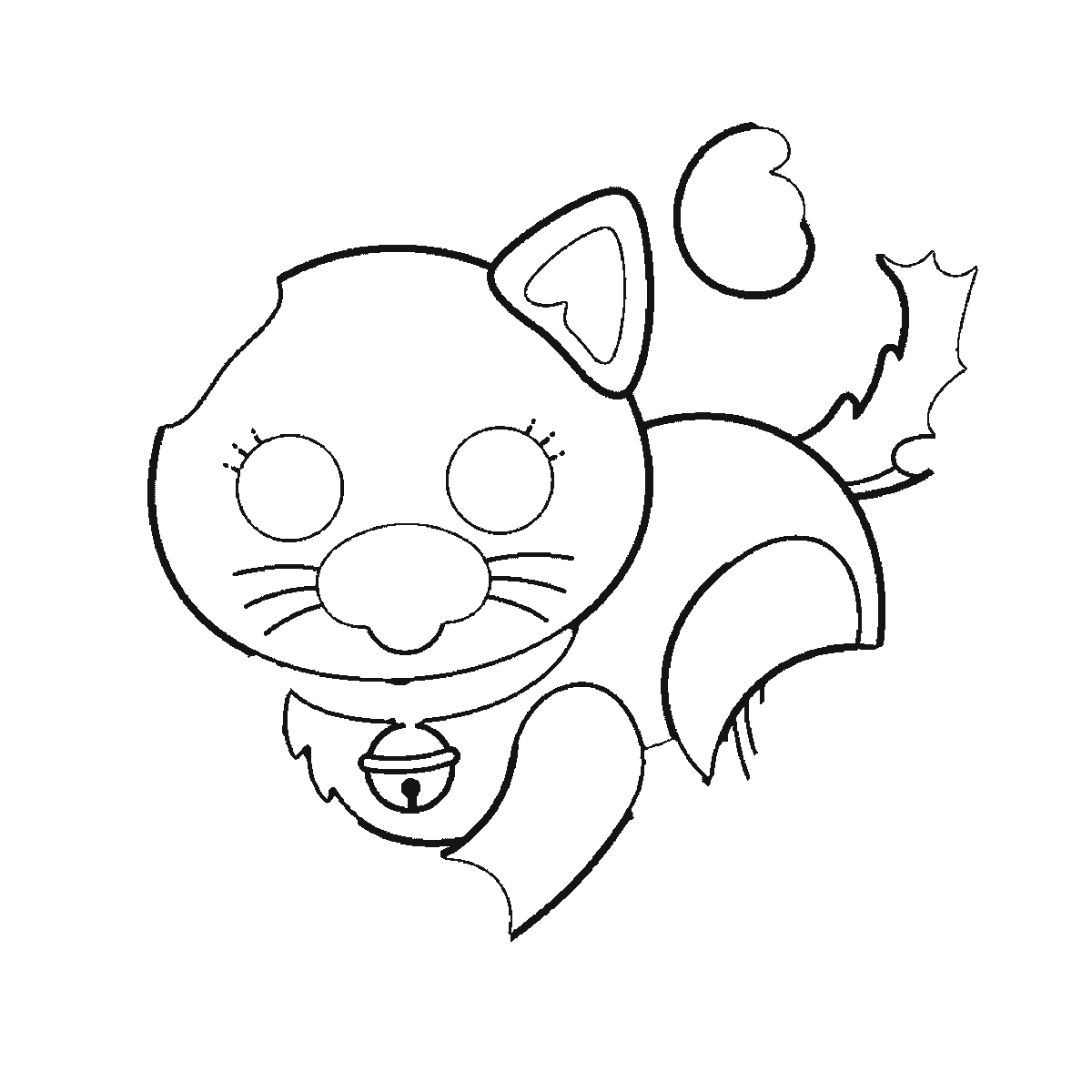
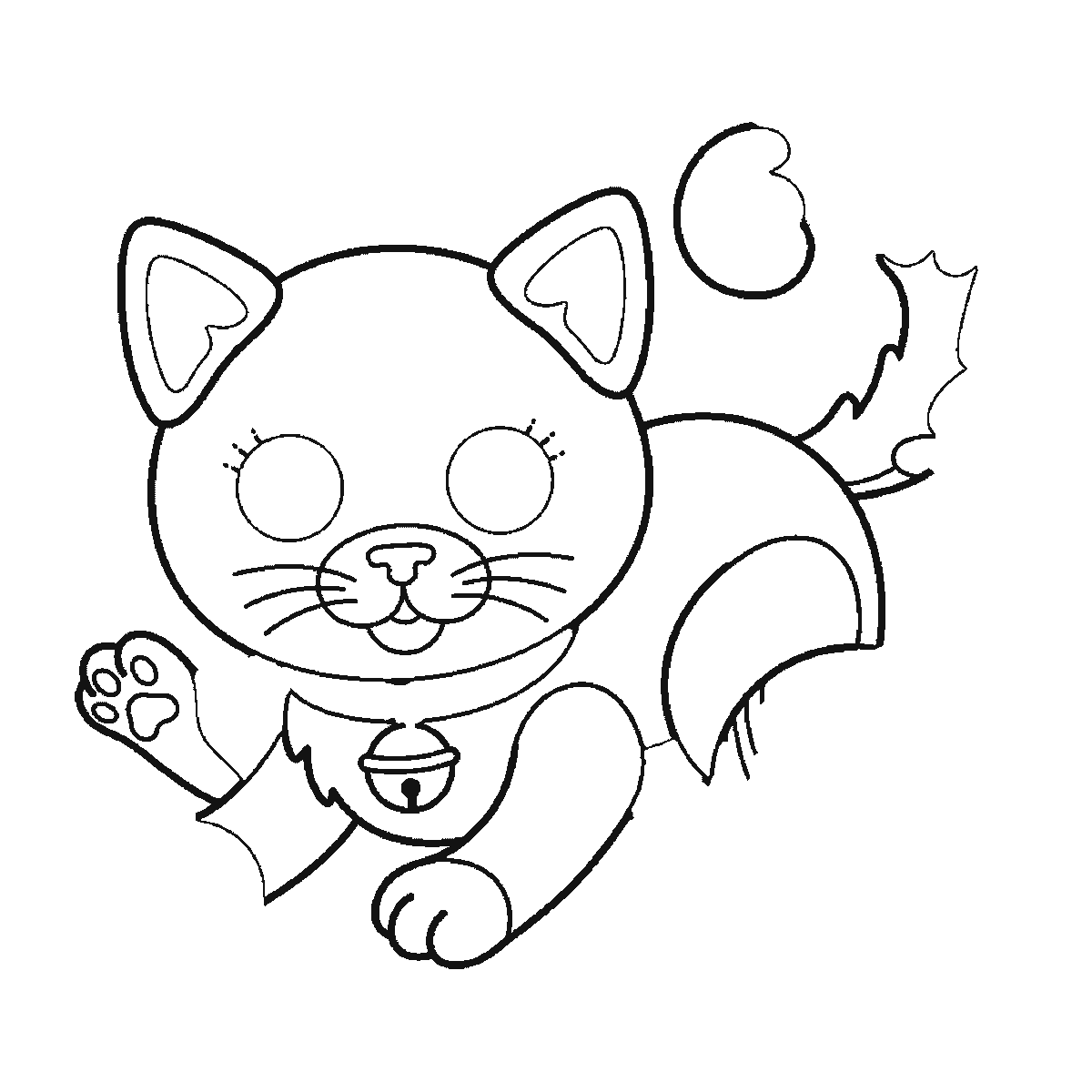
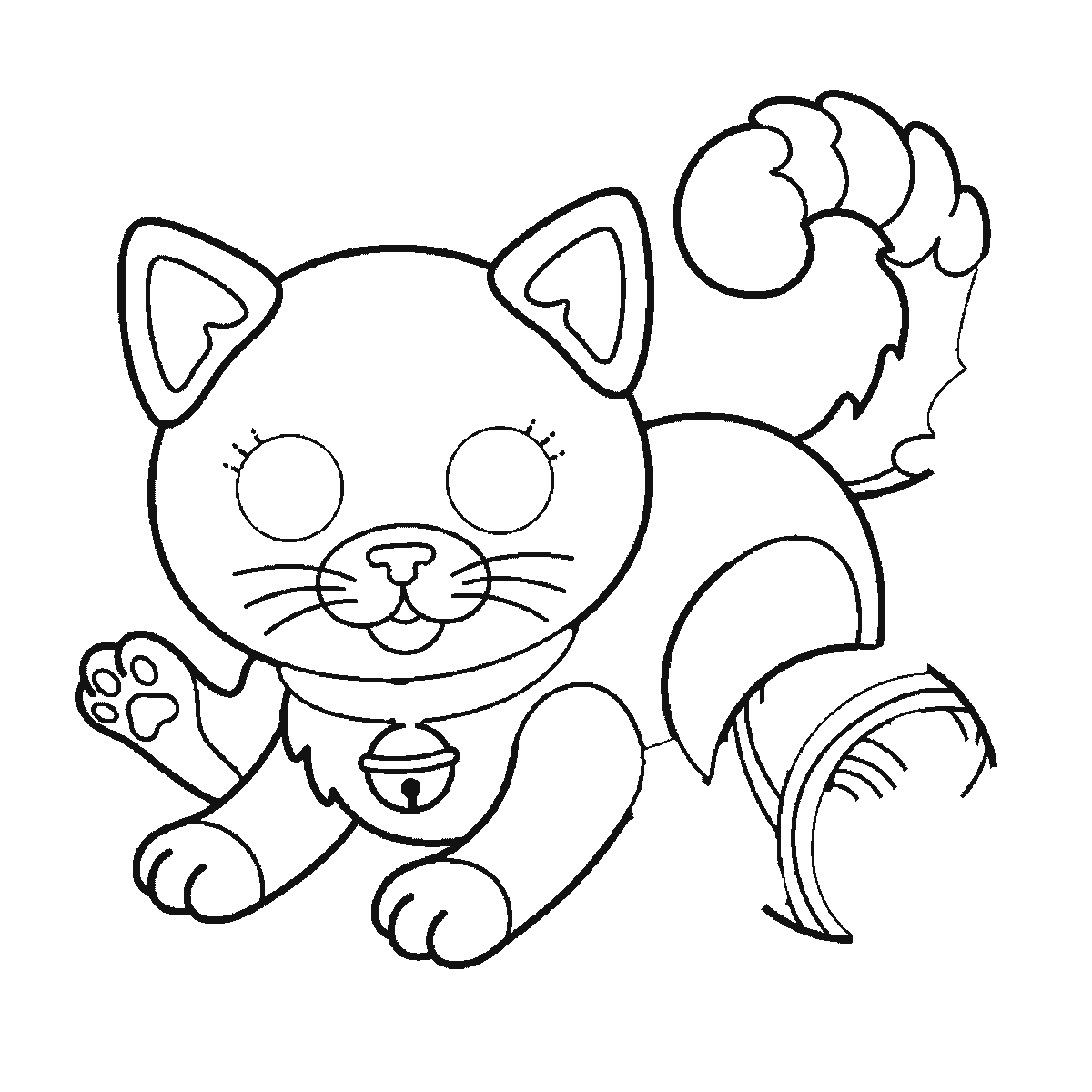
The ears come one at a time and late: the right one in frame two, the left one in frame three, and the little inner shapes inside both of them not until frame four. Between them the sheet builds the rest of the body — the tail in frame two, the raised front paw with its toe pads in frame three, a second paw in frame four. If your kitten is going to go wrong anywhere it will be here, because a crouching cat is mostly one soft shape and the paws are what tell a reader it is crouching rather than sitting.
The eyes are worth a sentence of their own, because the sheet does something with them that is easy to describe backwards. The outlines have been on the page since frame one; only the filled black centres are late, and they arrive in frame five. So it is wrong to say the eyes come last and equally wrong to say the face is finished in frame one. The rings are early, the pupils are late, and the gap between them is four frames.
The ball of wool is a bigger part of this drawing than it first looks, and the sheet builds it across four separate frames — a rounded segment in frame two, the frilled upper edge and some strands in frame four, more strands and the beginning of the loose thread in frame five, and the rest of the thread with its little curl in frame six. If you are drawing this with a child, the ball is the forgiving part: nobody can tell you a tangle of wool is the wrong shape.
For proportion, the thing to settle first is the size of the head against the body. Kittens have heads that are enormous relative to their bodies compared with grown cats, and that single ratio does more to make a drawing read as a kitten than any amount of care spent on fur. If your animal is coming out looking like a small adult cat, the head is probably too small rather than the body too big.
The six frames are ordered by which closed shape is largest, biggest first and smallest last. That is an order which is easy to copy from, and it is not a claim that this is how anybody ought to draw a kitten. Plenty of people start with an eye and work outwards, and the finished drawing is the same drawing either way.
The download is one A4 page with all six frames on it, so a class can work from a single sheet each rather than six. It is a plain black outline on white and prints on any printer, including a tired one, because there is no shading anywhere on the page to clog up. Once you have copied it once, the useful next step is to draw the same six frames again with the kitten looking the other way, which forces you to understand the shapes rather than trace them.
Before you start
- Draw the head as a light circle and the body as a flattened oval behind it before you press hard. A crouching cat is two overlapping curves and almost nothing else.
- Leave the ears until the head outline looks right, exactly as the sheet does. Ears drawn onto a head that is still the wrong shape are very hard to argue with afterwards.
- Keep the two pupils the same size and the same distance from the top of each eye ring. Uneven pupils are the single fastest way to make a friendly animal look startled.
- Colouring the finished frame in is a fair use of this sheet — the outlines are wide enough to take a felt tip without closing up, and the ball of wool is the best bit to colour.
Published Updated 694 words
The six steps
The steps go from the largest shape to the smallest, which is an easy order to copy. It is not the only order, and it is not a rule — if you would rather start somewhere else on the sheet, do.
Step 1
Step 2
Step 3
Step 4
Step 5
Step 6
More in this section
How to draw a flamingo
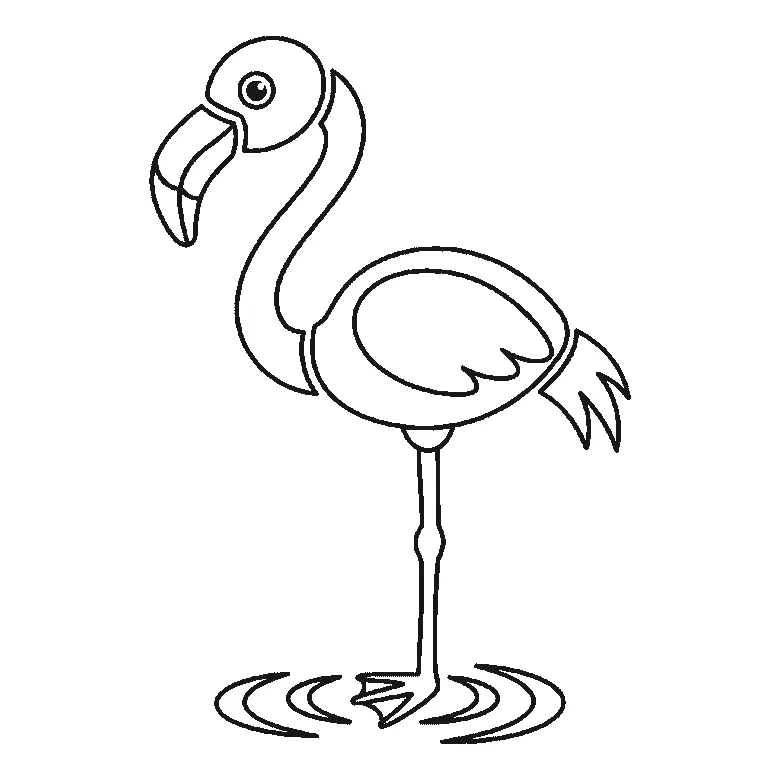
Six frames, one flamingo standing in shallow water. The body first, the neck second, and the beak — the thing that says flamingo — not until frame five.
Step sequence made by us from a single drawing: each step keeps the lines of the one before it and adds to them.
How to draw a gorilla
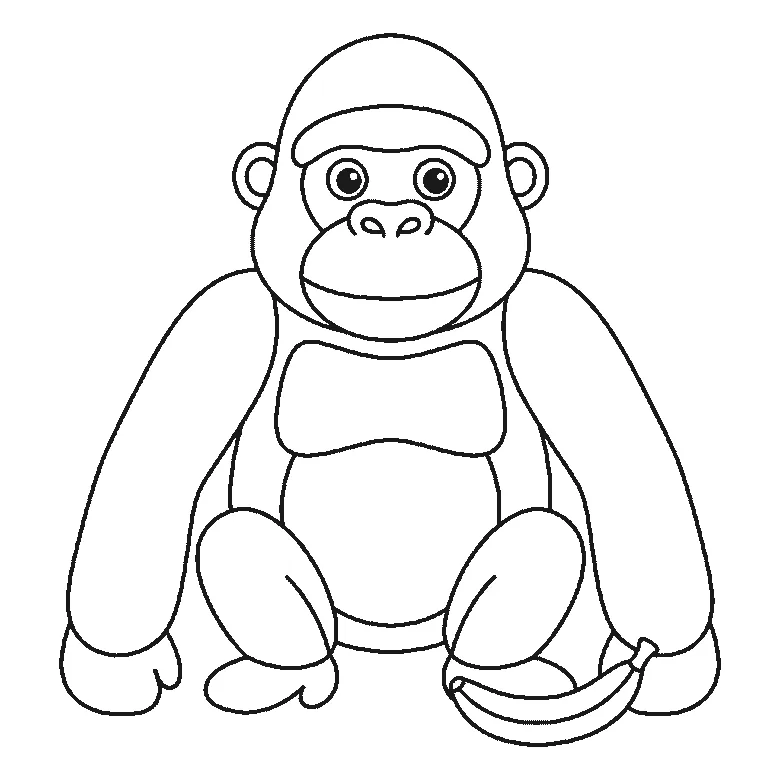
Six frames, one gorilla sitting with a banana beside it. Frame one is the two arms and nothing else — the head does not arrive until frame two.
Step sequence made by us from a single drawing: each step keeps the lines of the one before it and adds to them.
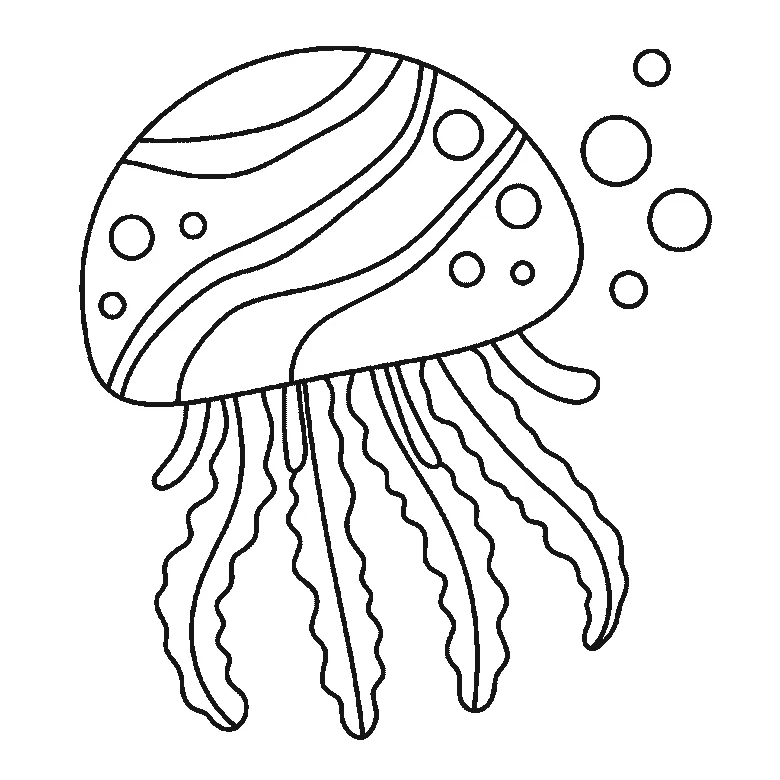
How to draw a jellyfish
Six frames, one jellyfish drifting with bubbles beside it. The bell is built panel by panel, the tentacles arrive a few at a time, and the bubbles are last.
Step sequence made by us from a single drawing: each step keeps the lines of the one before it and adds to them.
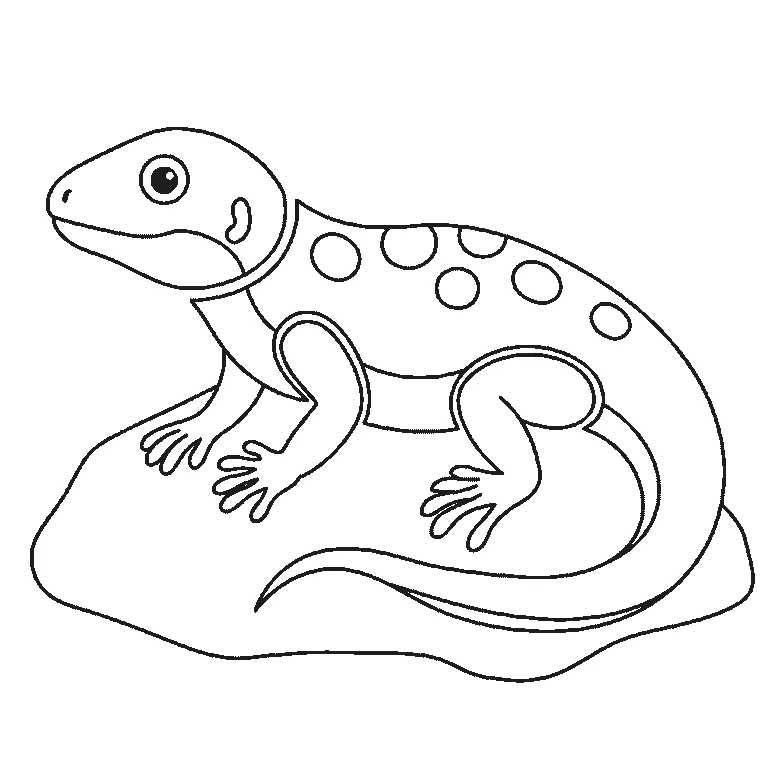
How to draw a lizard
Six frames, one lizard basking on a rock. Frame one is the rock and two legs; the body comes second and the head not until frame three.
Step sequence made by us from a single drawing: each step keeps the lines of the one before it and adds to them.
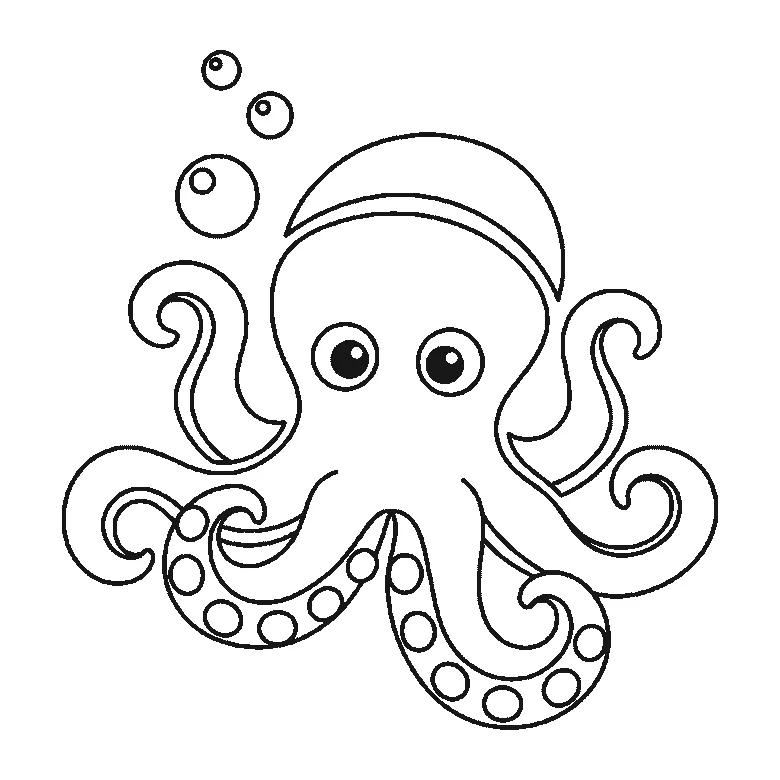
How to draw an octopus
Six frames, one octopus with bubbles rising beside it. The head and two outer arms first, the remaining arms one or two at a time, the pupils last.
Step sequence made by us from a single drawing: each step keeps the lines of the one before it and adds to them.
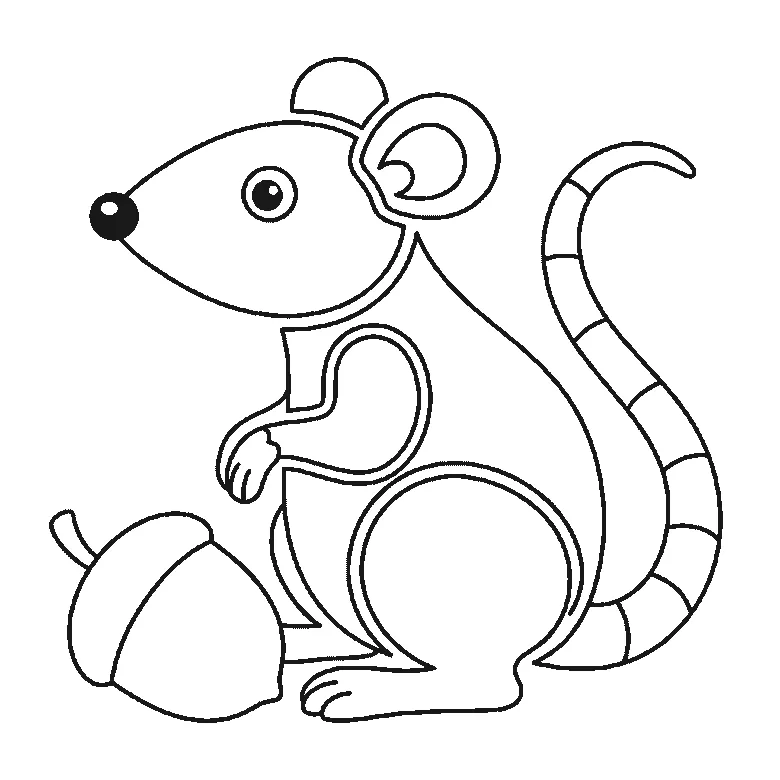
How to draw a rat
Six frames, one rat sitting up beside an acorn. The head and haunch first, the ear third, and the long banded tail not until frame five.
Step sequence made by us from a single drawing: each step keeps the lines of the one before it and adds to them.
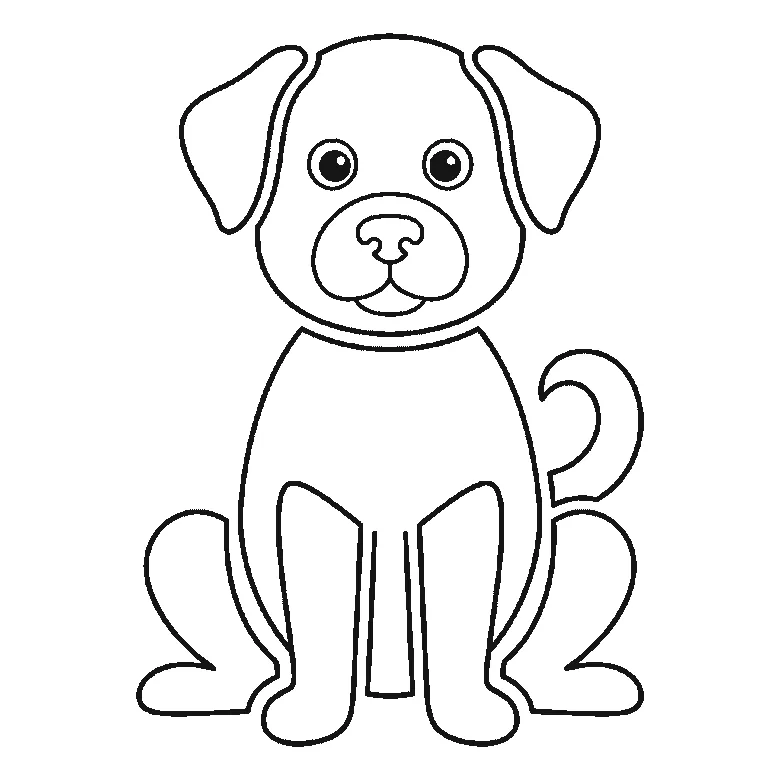
How to draw a dog
Six frames, one dog sitting upright. The head alone first, then the body and front legs, and the ears, tail and eyes last.
Step sequence made by us from a single drawing: each step keeps the lines of the one before it and adds to them.
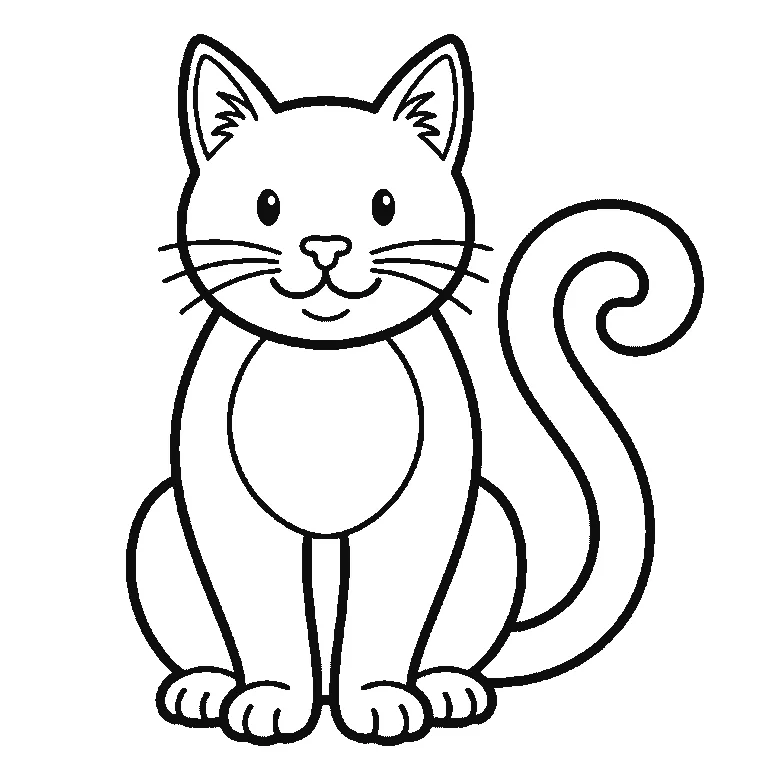
How to draw a cat
Six frames, one cat sitting upright. The whole face first — ears, eyes and whiskers together — then the tail on its own, the body and the legs.
Step sequence made by us from a single drawing: each step keeps the lines of the one before it and adds to them.
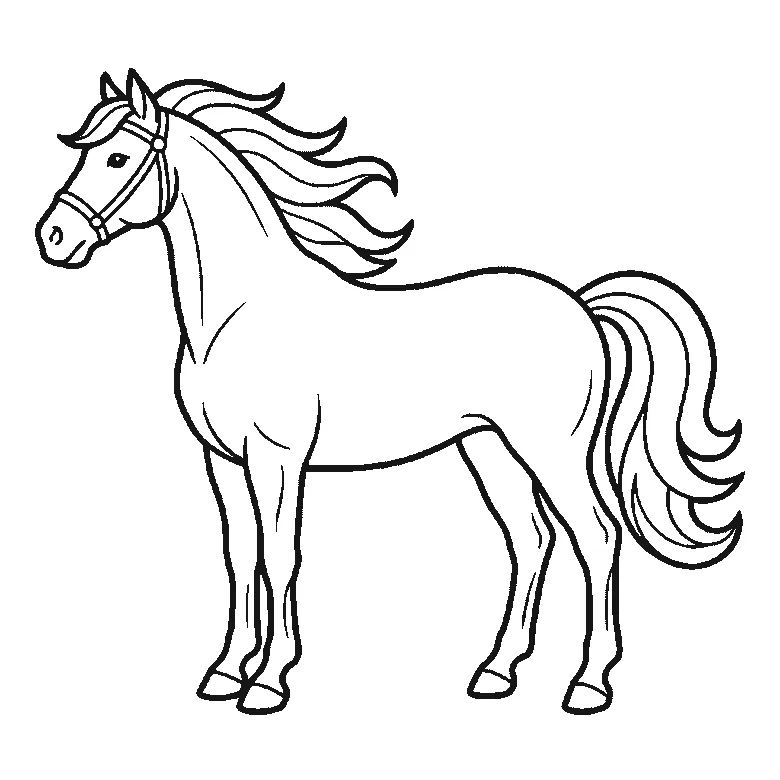
How to draw a horse
Six frames, one horse in profile. Almost the whole body first, then the far legs, the tail, and the head and mane last.
Step sequence made by us from a single drawing: each step keeps the lines of the one before it and adds to them.
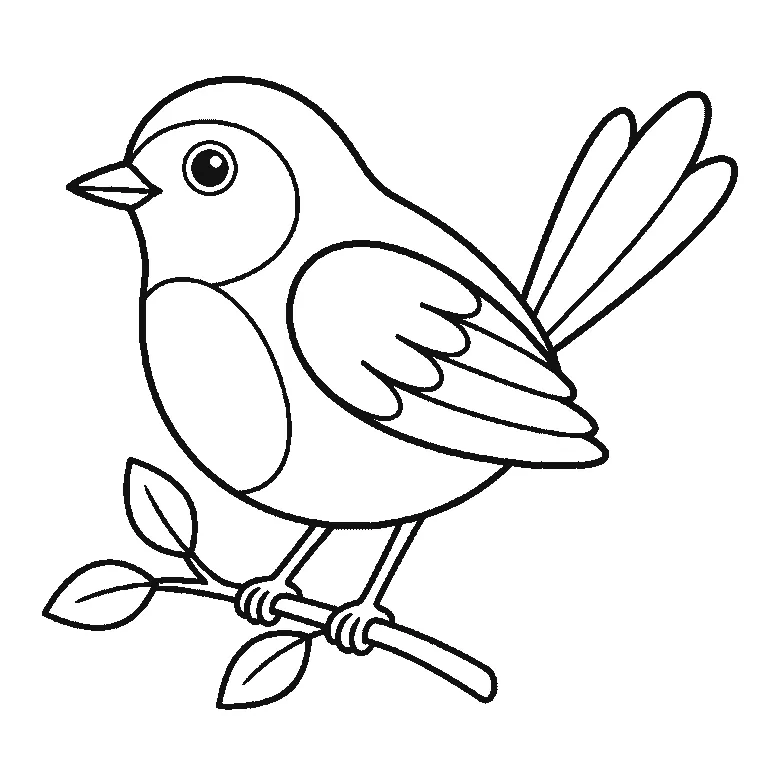
How to draw a bird
Six frames, one small bird on a branch. The body outline first, then the head, beak and wing together, the tail feathers, the branch, and the feet last.
Step sequence made by us from a single drawing: each step keeps the lines of the one before it and adds to them.
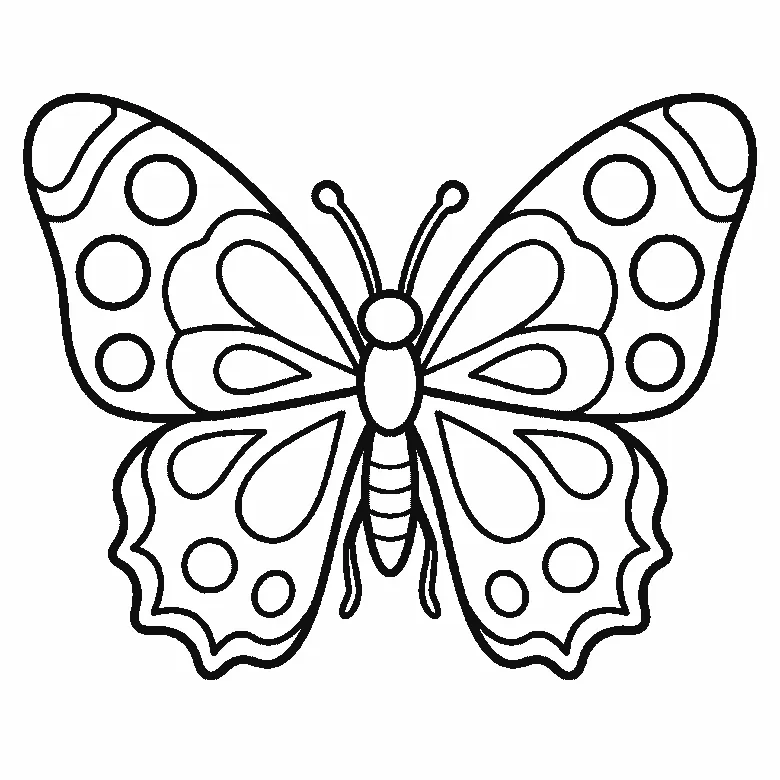
How to draw a butterfly
Six frames, one butterfly seen from above. The lower wings first, then the upper pair, their markings, and the body and antennae last.
Step sequence made by us from a single drawing: each step keeps the lines of the one before it and adds to them.
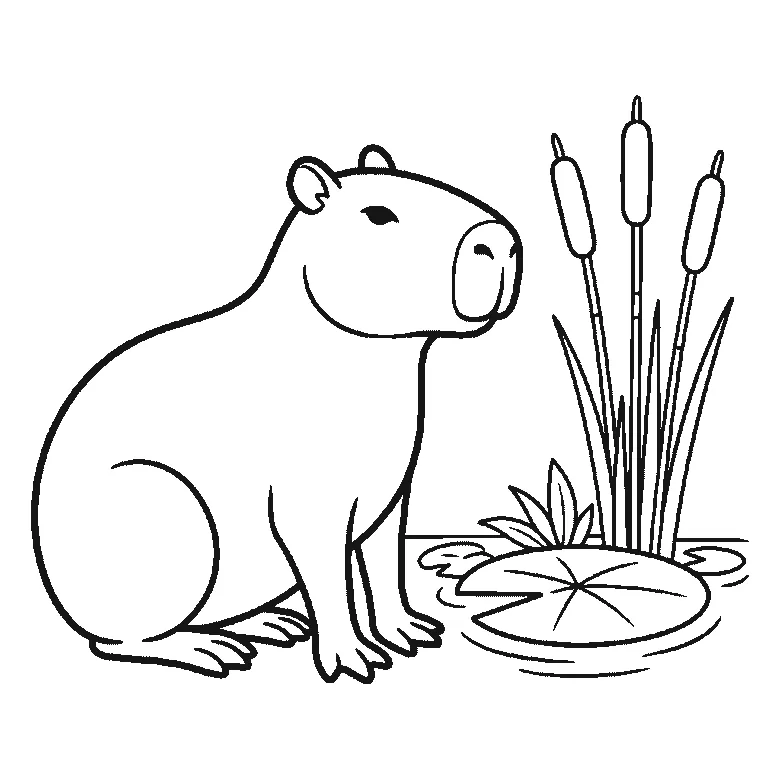
How to draw a capybara
Six frames, one capybara sitting in profile beside water. The whole animal in the first frame, then the lily pad, the bulrushes and the water.
Step sequence made by us from a single drawing: each step keeps the lines of the one before it and adds to them.


