
PDF · A4 · 57 KB · Free, no sign-up. For home and classroom use.
How to draw a gorilla
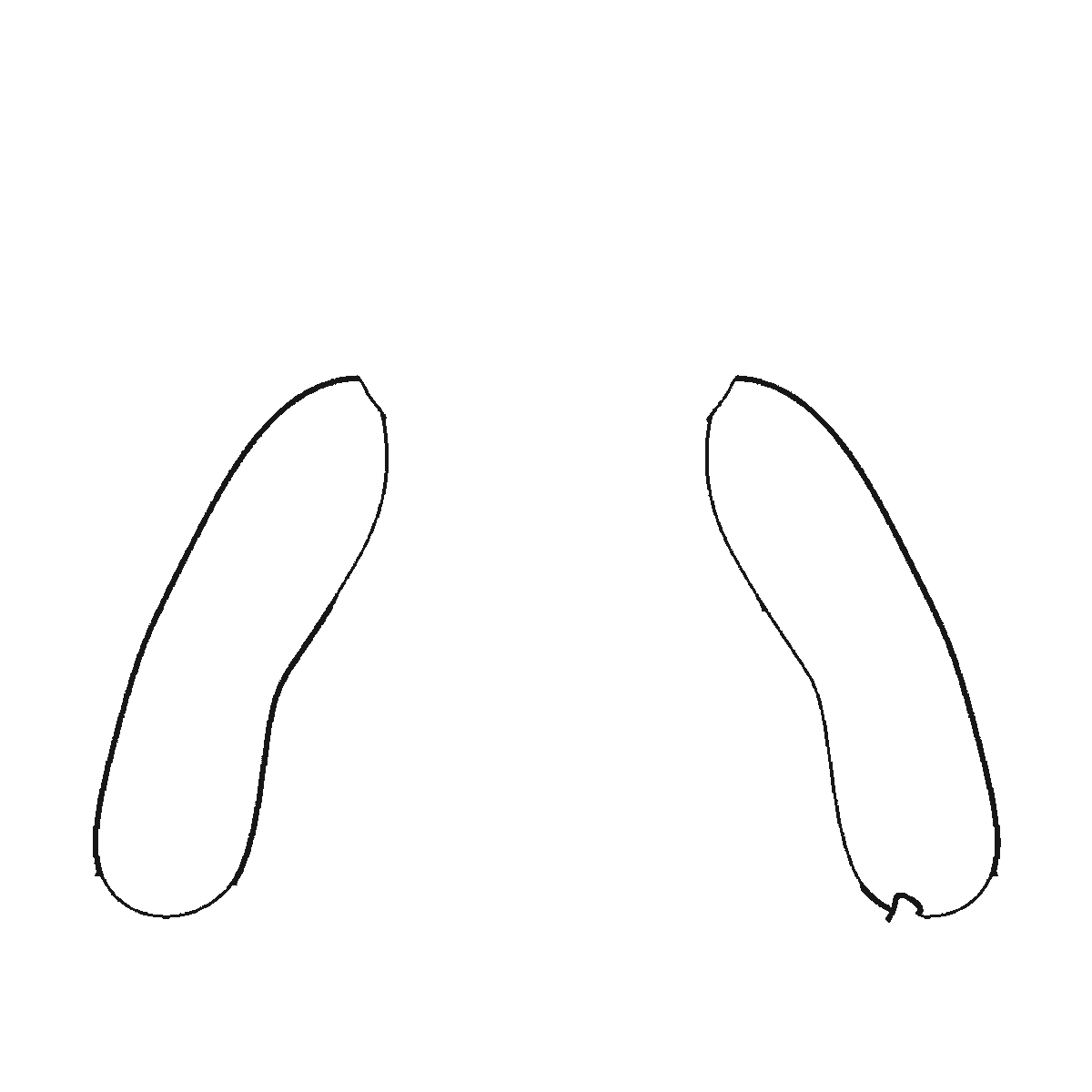
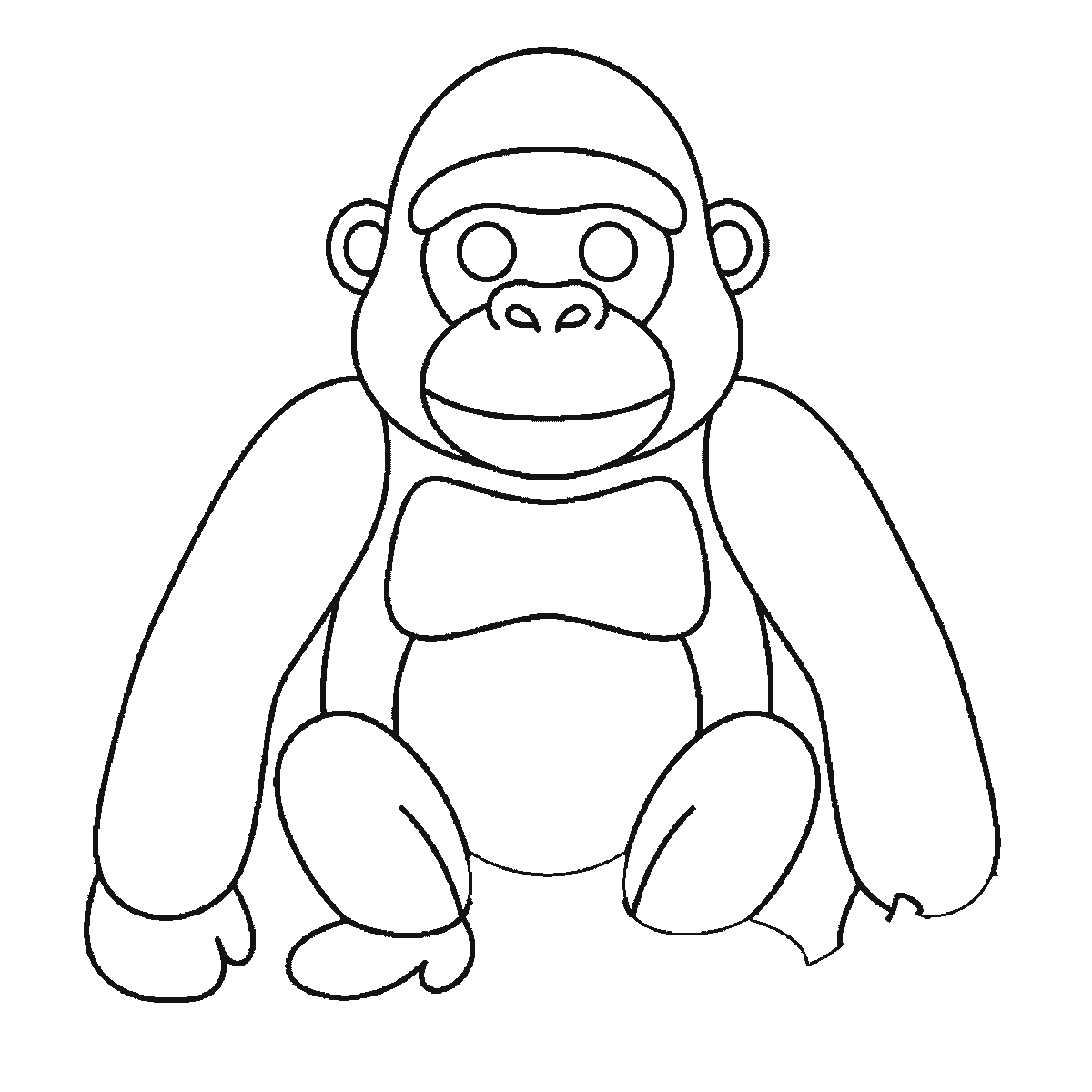
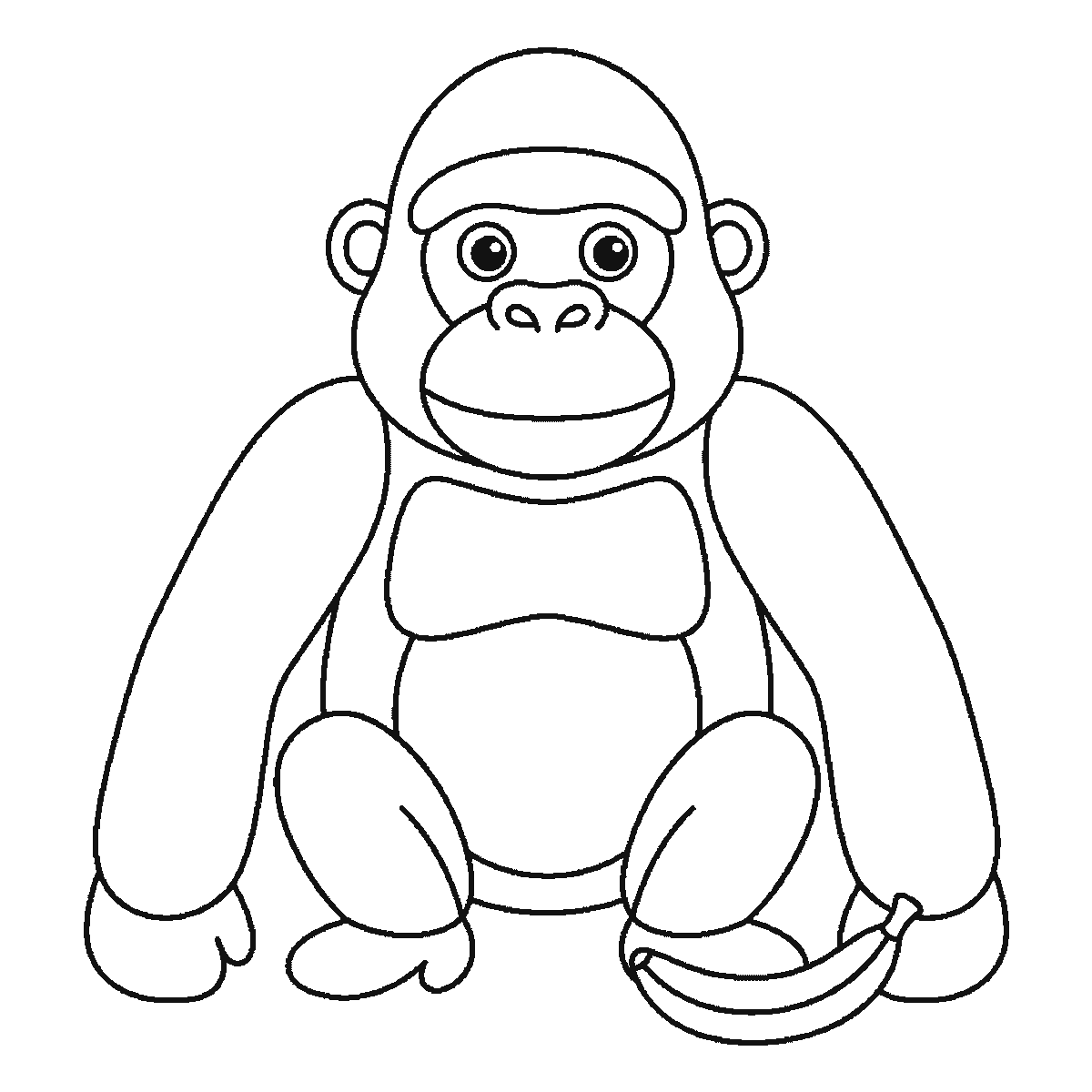
Six frames, one gorilla sitting with a banana beside it. Frame one is the two arms and nothing else — the head does not arrive until frame two.
This sheet takes one drawing of a gorilla sitting upright and shows it six times, each frame carrying everything the frame before it had and adding a little more. Print it, put it beside your paper, and copy one frame at a time.
Frame one is the two arms, alone on the page. Not the head, not the body, not an outline of the whole animal — two long curved shapes down either side of an empty middle. It is the most surprising first step on this site, and it is worth understanding rather than just copying: a sitting gorilla's arms are the longest single shapes in the drawing, longer than the body is tall, and that length is most of what makes the animal read as a gorilla rather than a bear.
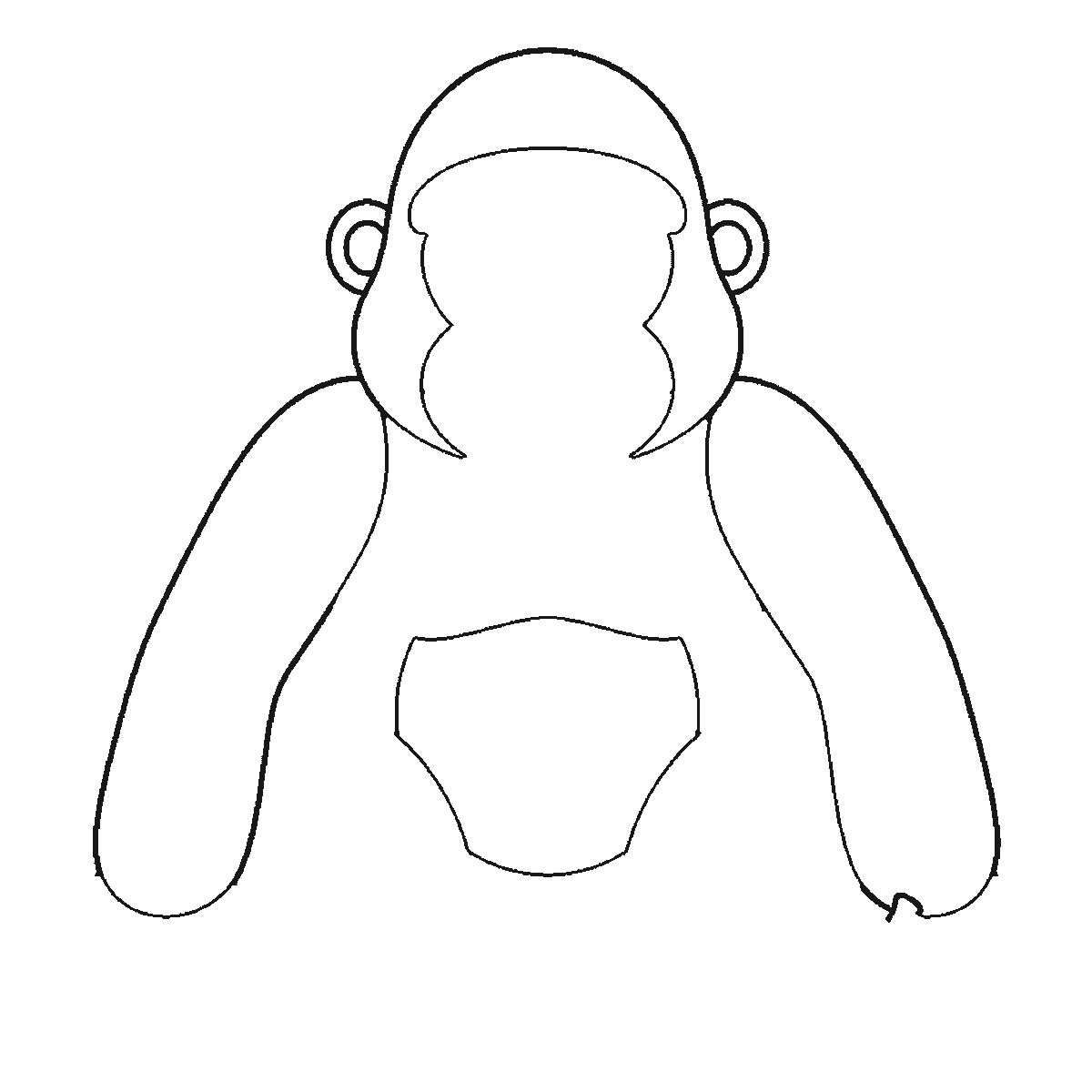
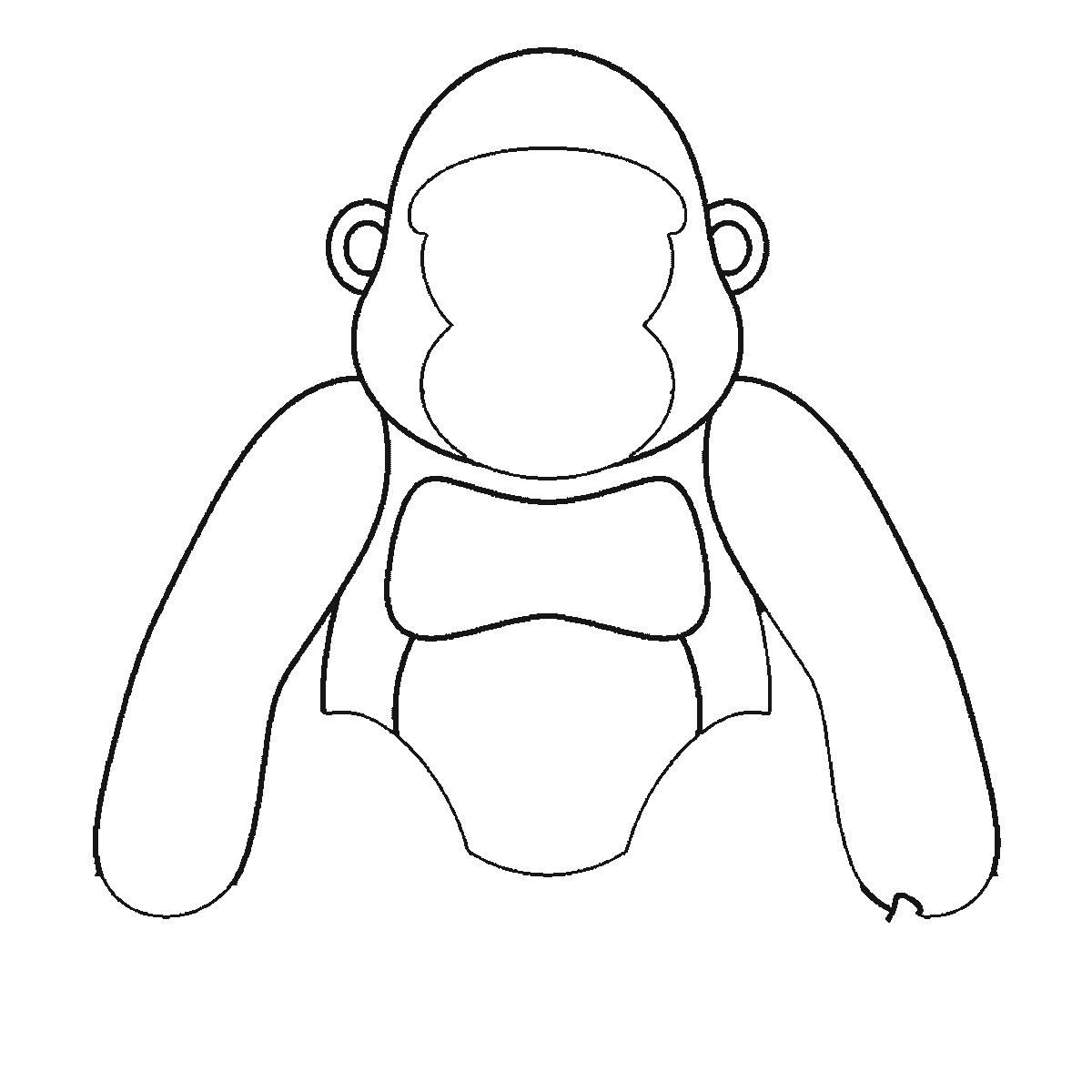
The head arrives in frame two, complete with both ears and the heavy brow band across it, and the belly panel comes with it. Frame three is the chest panel above the belly. By the end of frame three you have a seated body with a blank face and no legs, which is a slightly eerie stage to draw through but a very useful one — it means the whole silhouette is settled before any detail goes in.
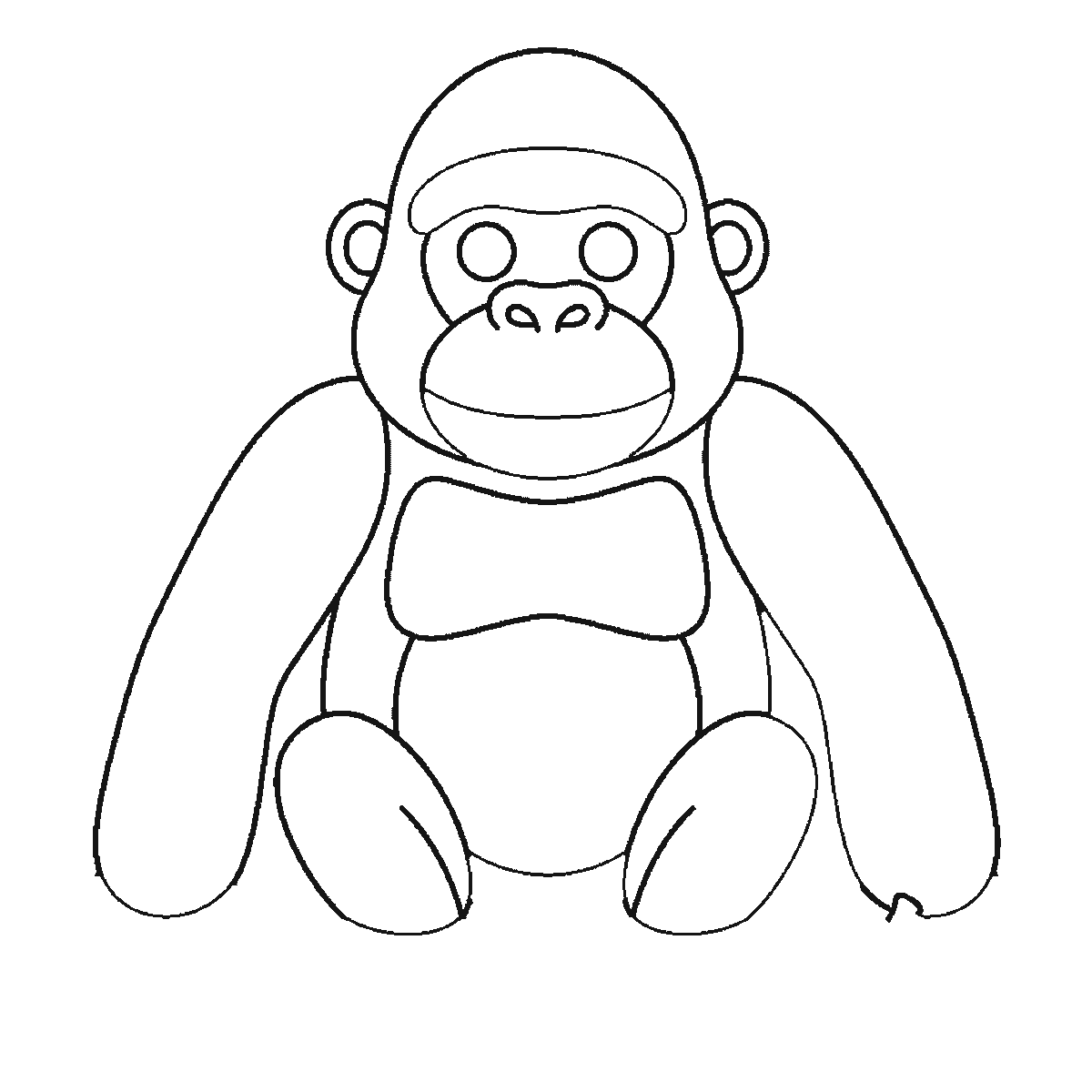
The face is frame four, and it arrives as a single block: both eyes drawn as open rings, the flat nose and its two nostrils, all inside the muzzle. The two legs come in the same frame. Frame five adds the brow line, the mouth, and both hands resting on the ground. The filled pupils and the banana are frame six.
So the eyes are on the page from frame four as empty circles and filled only in frame six. That two-frame gap is a small thing to look at and a very easy thing to describe backwards, and it is the reason this drawing looks blank for so long: a face with rings for eyes reads as unfinished in a way a face with no eyes at all does not.
For proportion, the one measurement that matters is the head against the shoulders. A gorilla's head is small relative to the mass of its upper body, and the brow ridge sits low, close to the eyes. If your animal is coming out looking like a bear, the head is almost certainly too big and the brow too high. The arms should reach the ground when the animal is seated — that is not exaggeration, it is what the sheet draws.
The six frames are ordered by which closed shape is largest, biggest first and smallest last. That is why two arms come before a head, and it is emphatically not a claim that this is how a person ought to draw a gorilla. Almost nobody would start here. The order is easy to copy from, which is a different and smaller claim.
The download is one A4 page with all six frames on it, so a class can work from a single sheet each. It is a plain black outline on white and prints on any printer, because there is no shading anywhere on the page. Once you have copied it, the useful exercise is to draw the same animal standing on all fours: the arms and the head are the shapes you have just practised, and only the body changes.
Before you start
- Draw both arms first, exactly as the sheet does, and leave the gap between them for the body. It is much easier than fitting arms onto a body afterwards.
- Keep the brow ridge low and heavy. It is the single feature that separates a gorilla from every other ape, and beginners draw it too high almost every time.
- Make the chest panel wider than the belly panel. A gorilla tapers downwards; drawing the two the same width gives you a barrel.
- Leave the pupils until the very end, as the sheet does. Filled eyes drawn early make it very tempting to build the face around them and get the muzzle wrong.
Published Updated 563 words
The six steps
The steps go from the largest shape to the smallest, which is an easy order to copy. It is not the only order, and it is not a rule — if you would rather start somewhere else on the sheet, do.
Step 1
Step 2
Step 3
Step 4
Step 5
Step 6
More in this section
How to draw a jellyfish
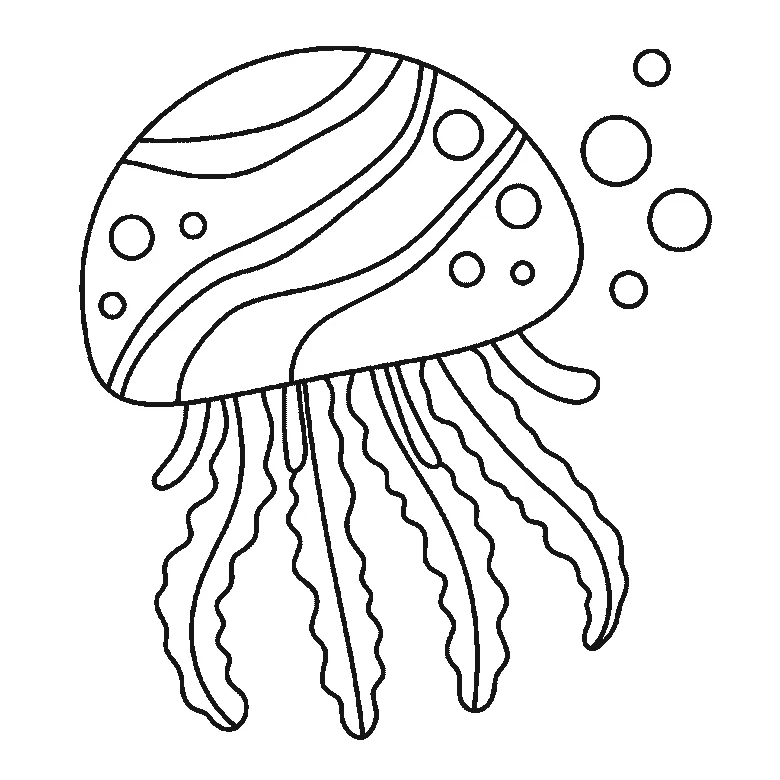
Six frames, one jellyfish drifting with bubbles beside it. The bell is built panel by panel, the tentacles arrive a few at a time, and the bubbles are last.
Step sequence made by us from a single drawing: each step keeps the lines of the one before it and adds to them.
How to draw a lizard
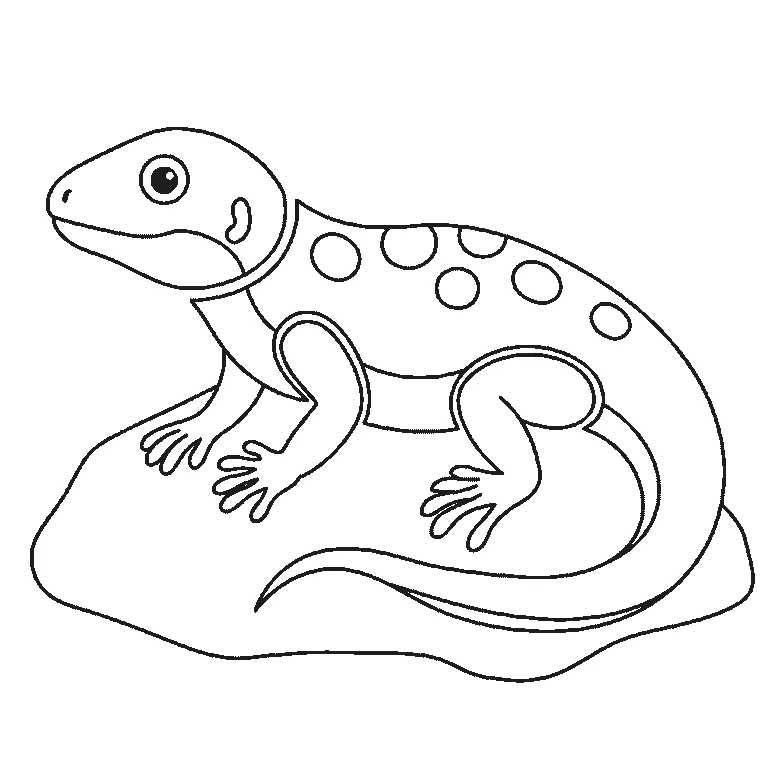
Six frames, one lizard basking on a rock. Frame one is the rock and two legs; the body comes second and the head not until frame three.
Step sequence made by us from a single drawing: each step keeps the lines of the one before it and adds to them.
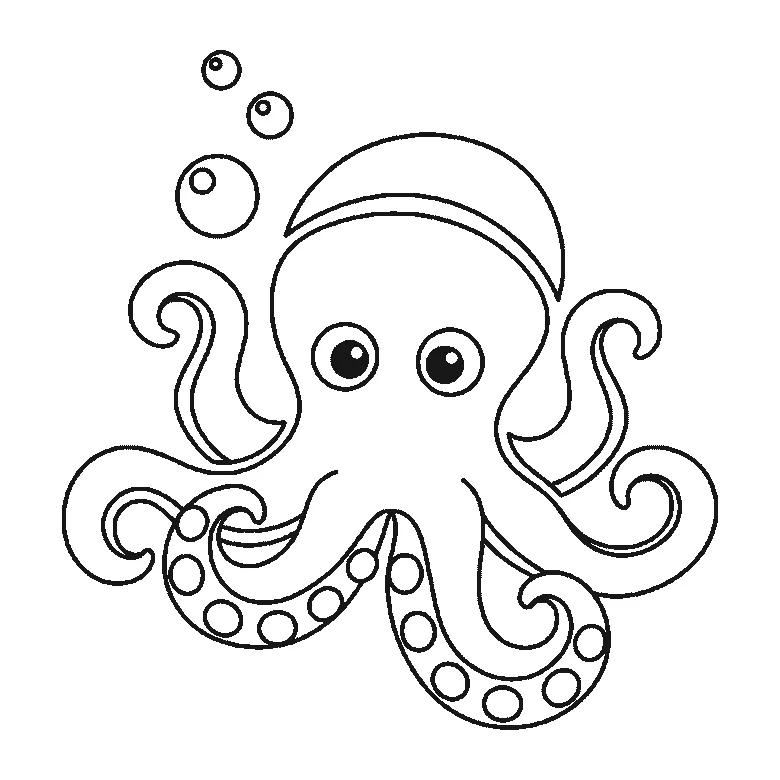
How to draw an octopus
Six frames, one octopus with bubbles rising beside it. The head and two outer arms first, the remaining arms one or two at a time, the pupils last.
Step sequence made by us from a single drawing: each step keeps the lines of the one before it and adds to them.
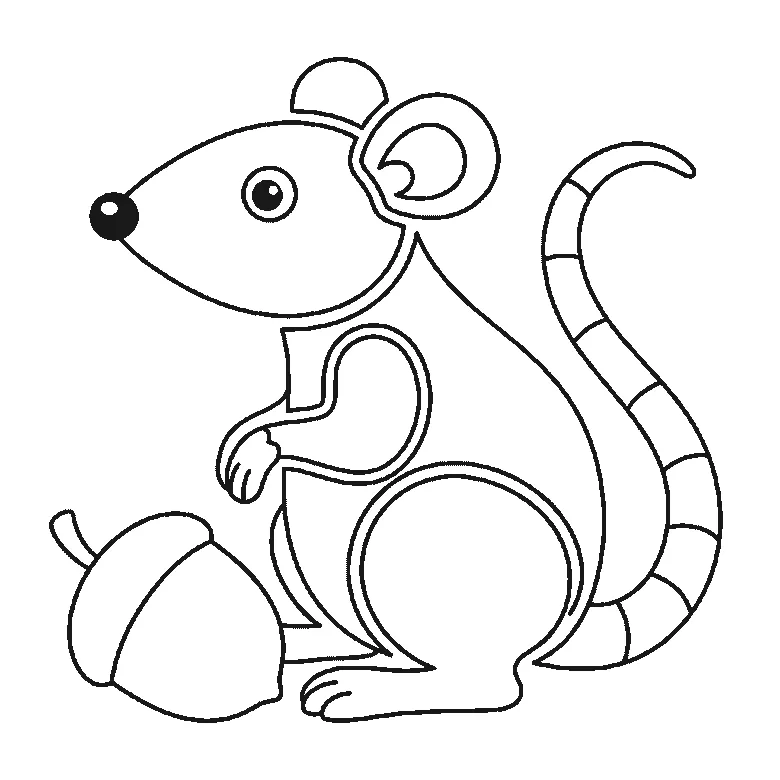
How to draw a rat
Six frames, one rat sitting up beside an acorn. The head and haunch first, the ear third, and the long banded tail not until frame five.
Step sequence made by us from a single drawing: each step keeps the lines of the one before it and adds to them.
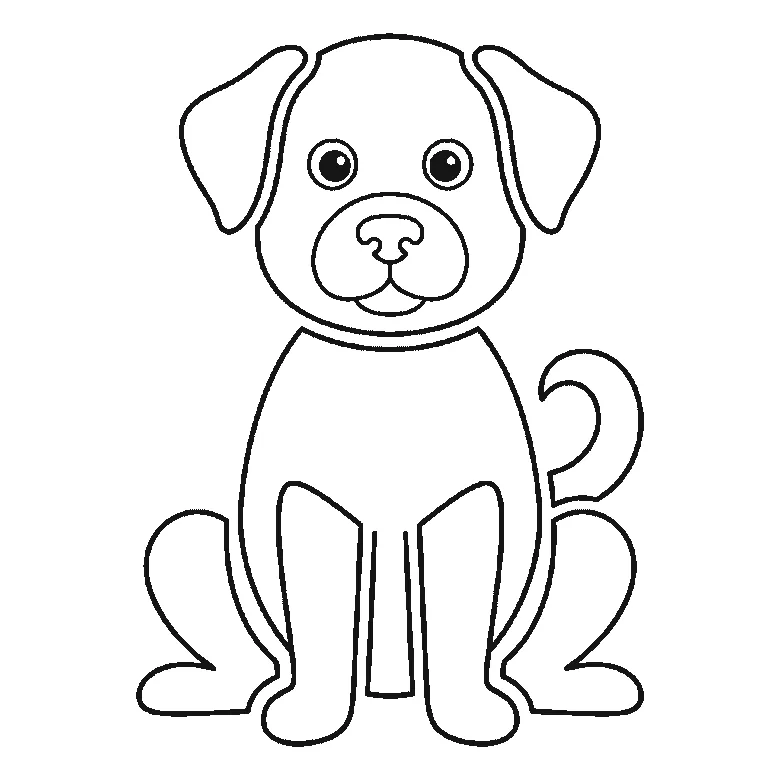
How to draw a dog
Six frames, one dog sitting upright. The head alone first, then the body and front legs, and the ears, tail and eyes last.
Step sequence made by us from a single drawing: each step keeps the lines of the one before it and adds to them.
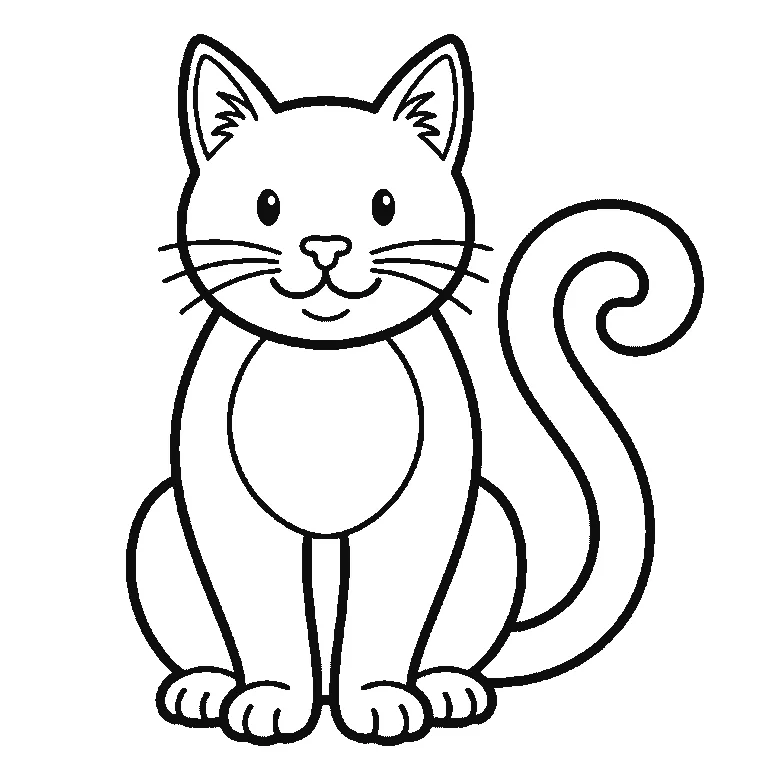
How to draw a cat
Six frames, one cat sitting upright. The whole face first — ears, eyes and whiskers together — then the tail on its own, the body and the legs.
Step sequence made by us from a single drawing: each step keeps the lines of the one before it and adds to them.
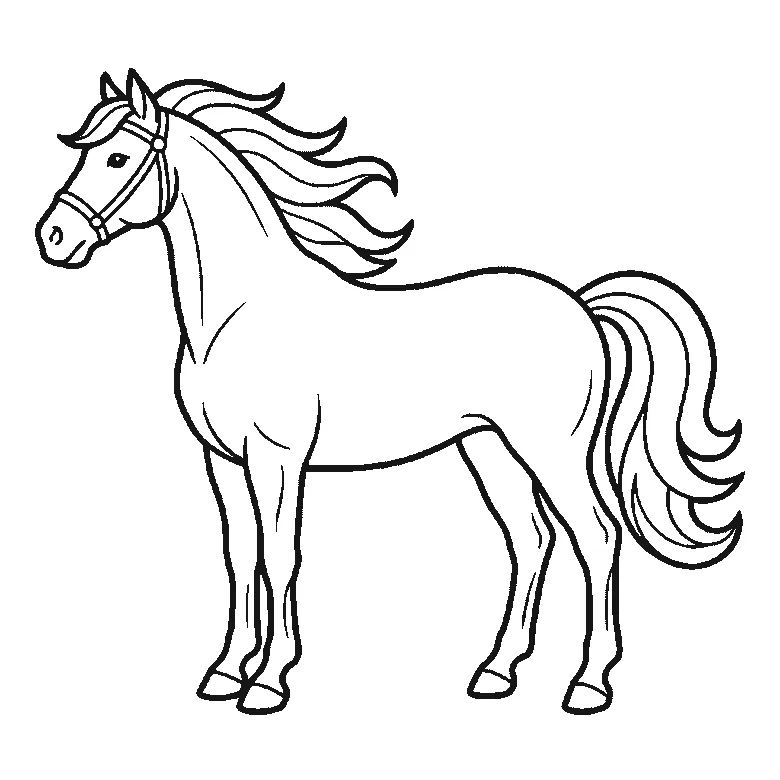
How to draw a horse
Six frames, one horse in profile. Almost the whole body first, then the far legs, the tail, and the head and mane last.
Step sequence made by us from a single drawing: each step keeps the lines of the one before it and adds to them.
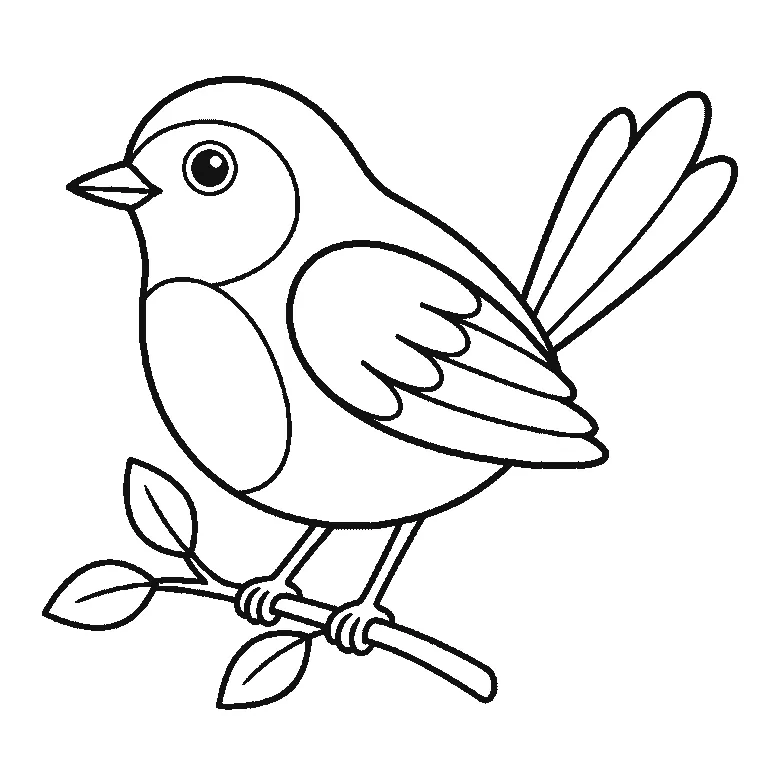
How to draw a bird
Six frames, one small bird on a branch. The body outline first, then the head, beak and wing together, the tail feathers, the branch, and the feet last.
Step sequence made by us from a single drawing: each step keeps the lines of the one before it and adds to them.
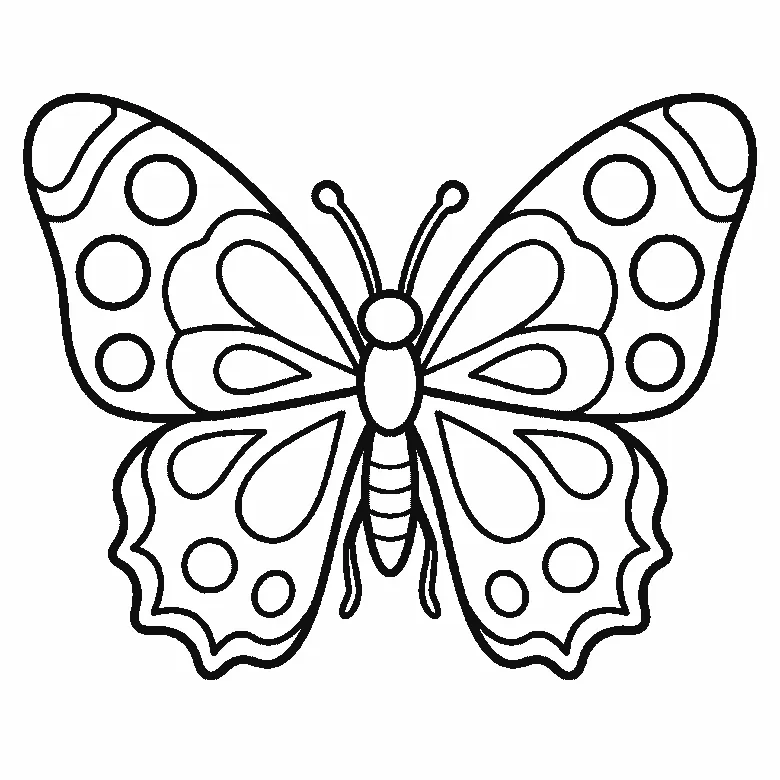
How to draw a butterfly
Six frames, one butterfly seen from above. The lower wings first, then the upper pair, their markings, and the body and antennae last.
Step sequence made by us from a single drawing: each step keeps the lines of the one before it and adds to them.
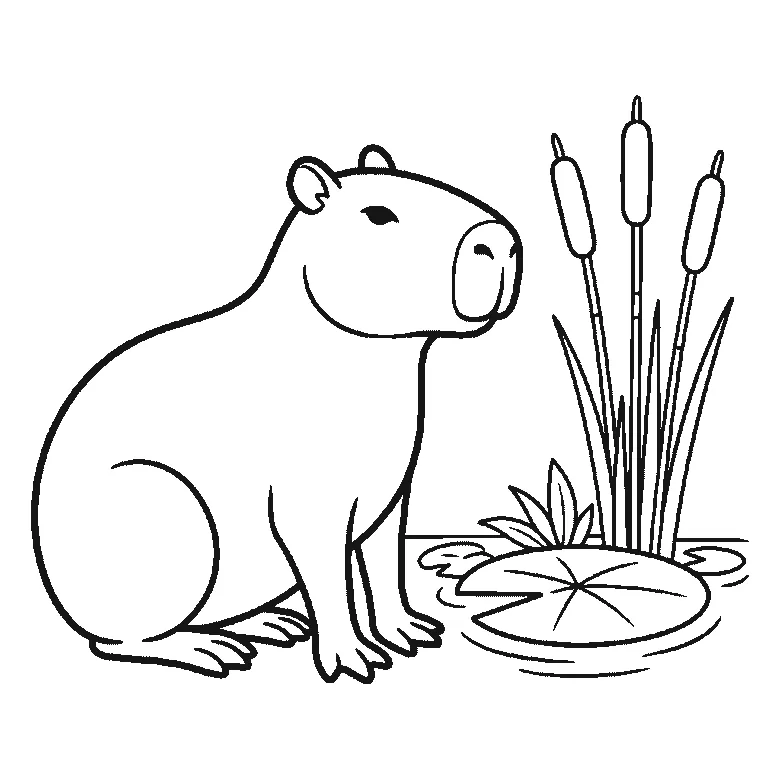
How to draw a capybara
Six frames, one capybara sitting in profile beside water. The whole animal in the first frame, then the lily pad, the bulrushes and the water.
Step sequence made by us from a single drawing: each step keeps the lines of the one before it and adds to them.
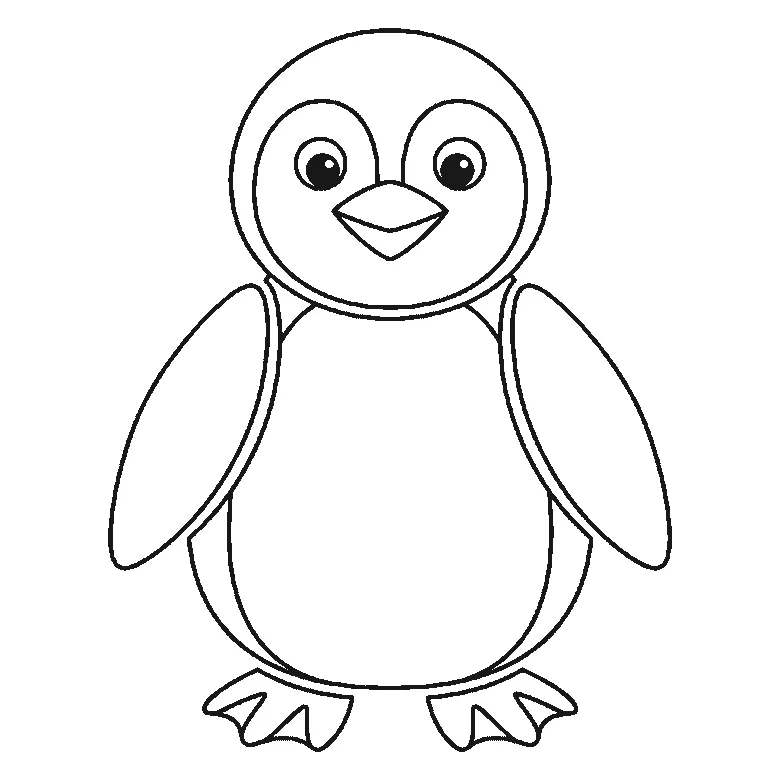
How to draw a penguin
Six frames, one penguin standing and facing you. The body and the whole face first, then the head's outline, one flipper at a time, and the feet.
Step sequence made by us from a single drawing: each step keeps the lines of the one before it and adds to them.
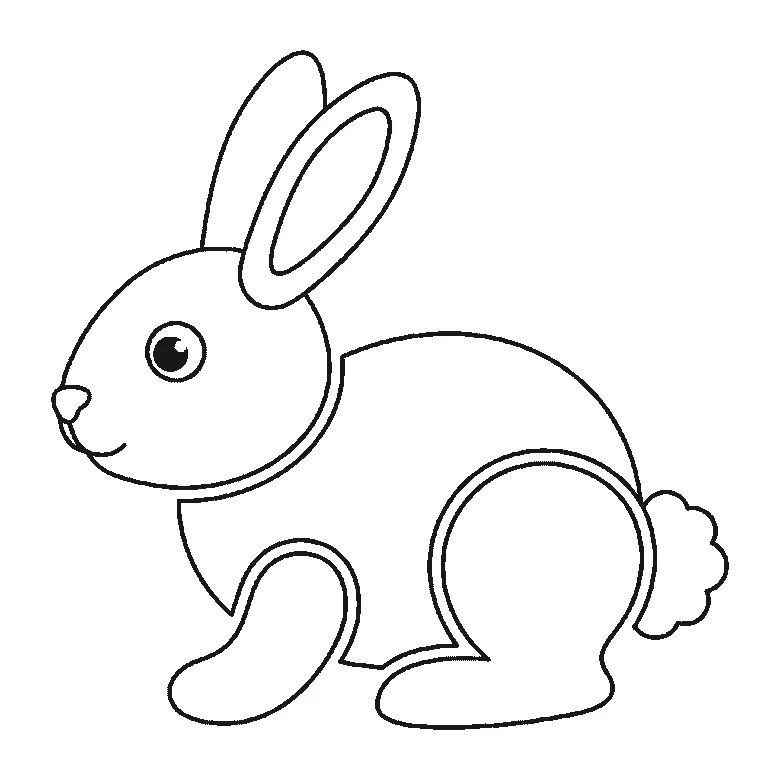
How to draw a rabbit
Six frames, one rabbit in profile. The body first, then the folded hind leg, the head, the front paw, and the ears and tail last.
Step sequence made by us from a single drawing: each step keeps the lines of the one before it and adds to them.


