
PDF · A4 · 41 KB · Free, no sign-up. For home and classroom use.
How to draw a rabbit
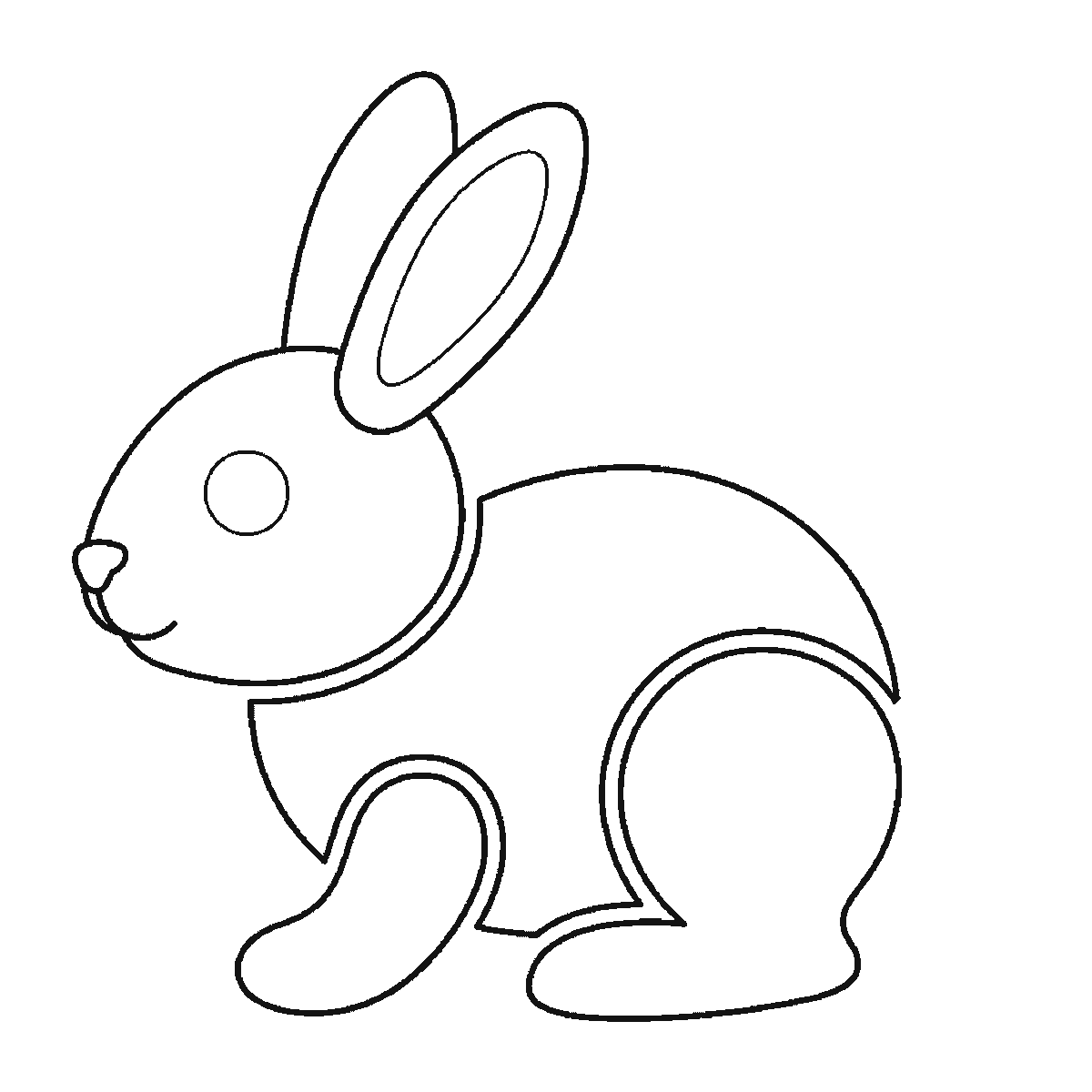
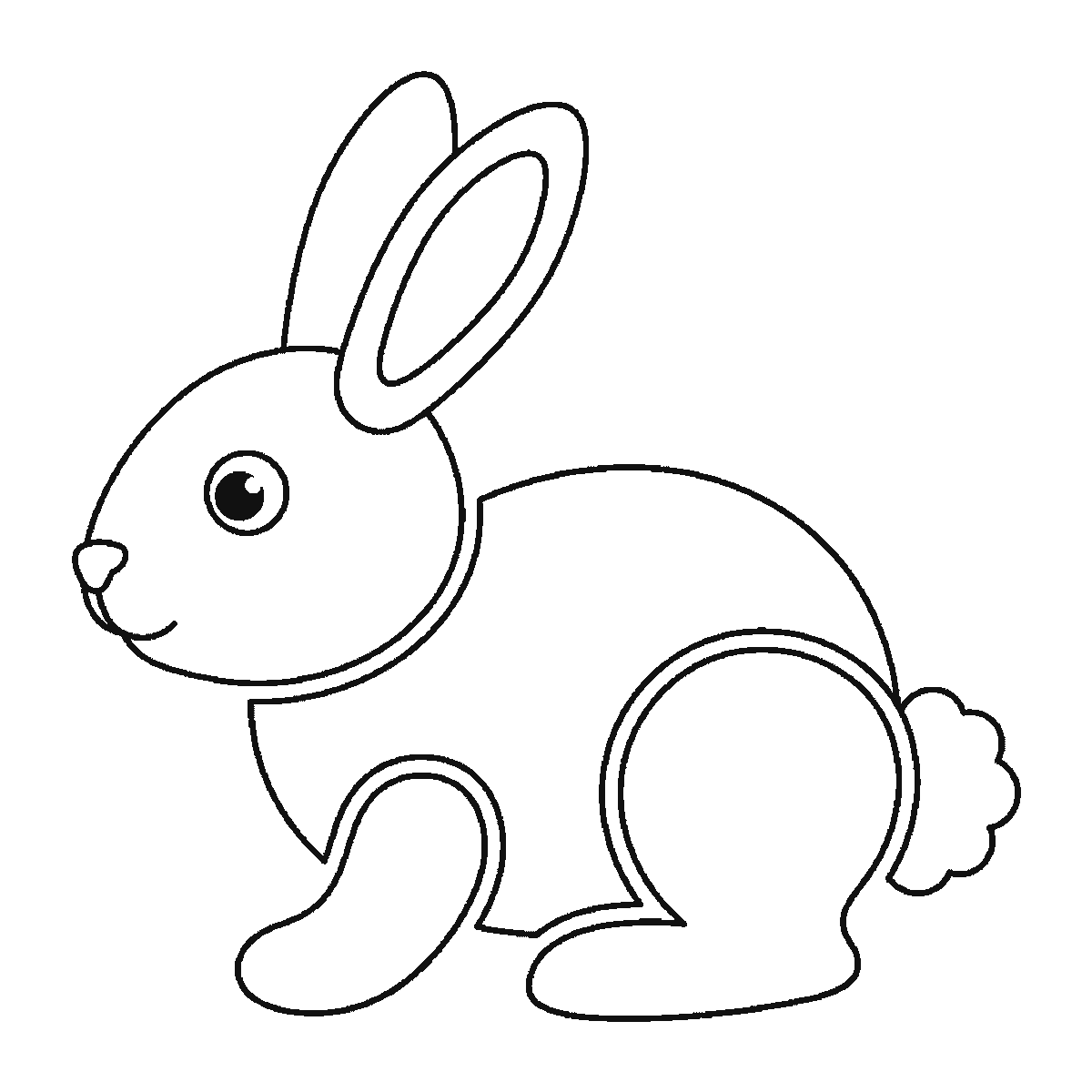
Six frames, one rabbit in profile. The body first, then the folded hind leg, the head, the front paw, and the ears and tail last.
Two long ears are all it takes to say rabbit, which makes this a subject where you can afford to get almost everything else approximately right. This sheet draws a rabbit in profile, sitting with its hind legs folded, and builds it over six frames from the body outwards.
The body arrives first, as a rounded shape that is noticeably higher at the back than at the front. That rise over the hindquarters is where a rabbit's power lives and it is the difference between a rabbit and a guinea pig. A body drawn as an even oval loses the animal before the ears have even gone on.
The hind leg follows the body — a large rounded mass at the back with the foot lying flat — and only then the head, small relative to the body and set forward and low. Rabbits do not hold their heads high when they are settled; the profile runs almost continuously from the nose up over the back. If your rabbit looks alert and upright, that is a different and equally valid pose, but it is not this one.
The ears are the drawing, and they wait until frame five — after the head, after the front paw, with only the eye and the tail still to come. Long, narrow, rounded at the tip, and set close together on the top of the head rather than out at the sides. Draw the near one fully and let the far one sit slightly behind and partly hidden — two ears drawn identically side by side flatten the whole head into a cardboard cut-out.
The inner ear is worth a line of its own: a narrower shape inside the near ear, following its outline but not touching the edges. It costs one stroke and it is the detail that most reliably makes a drawn ear look like it has a shape rather than being a shape.
The eye is drawn twice on this sheet: its outline arrives with the head in frame three, and the pupil that fills it is one of the two last marks of all. Set it large, round, well back and high on the head, closer to the ear than to the nose. Rabbits have eyes placed for seeing behind them, and drawing the eye forward where a cat's would be is a subtle error that makes the animal look wrong without being obviously wrong.
The front paw arrives late, in frame four, as a small shape tucked under the chest — three frames after the hind leg it looks like it ought to accompany. That flat hind foot is worth getting right: a rabbit at rest sits on the whole length of its hind foot, not on its toes.
The tail is last and it is a single round shape, small and set high. It is one of the few parts of the drawing where accuracy genuinely does not matter — almost any small round shape in roughly the right place will read correctly.
In profile only one eye is visible, and that is deliberate. It is also why a profile is an easier place to start than a front view: half the face is simply not your problem, and the half that is has a clear outline to hang on.
The frames go biggest shape to smallest. It is easy to copy and it is not a rule about how a rabbit should be drawn; if the ears are the part you enjoy, draw them first and fit the rest underneath.
Before you start
- Raise the back of the body above the shoulders. An even oval loses the rabbit immediately.
- Set the ears close together on top of the head and let the far one sit partly behind the near one.
- Put the eye high and well back, nearer the ear than the nose.
- The hind foot lies flat along the ground when the rabbit is sitting.
Published Updated 593 words
The six steps
The steps go from the largest shape to the smallest, which is an easy order to copy. It is not the only order, and it is not a rule — if you would rather start somewhere else on the sheet, do.
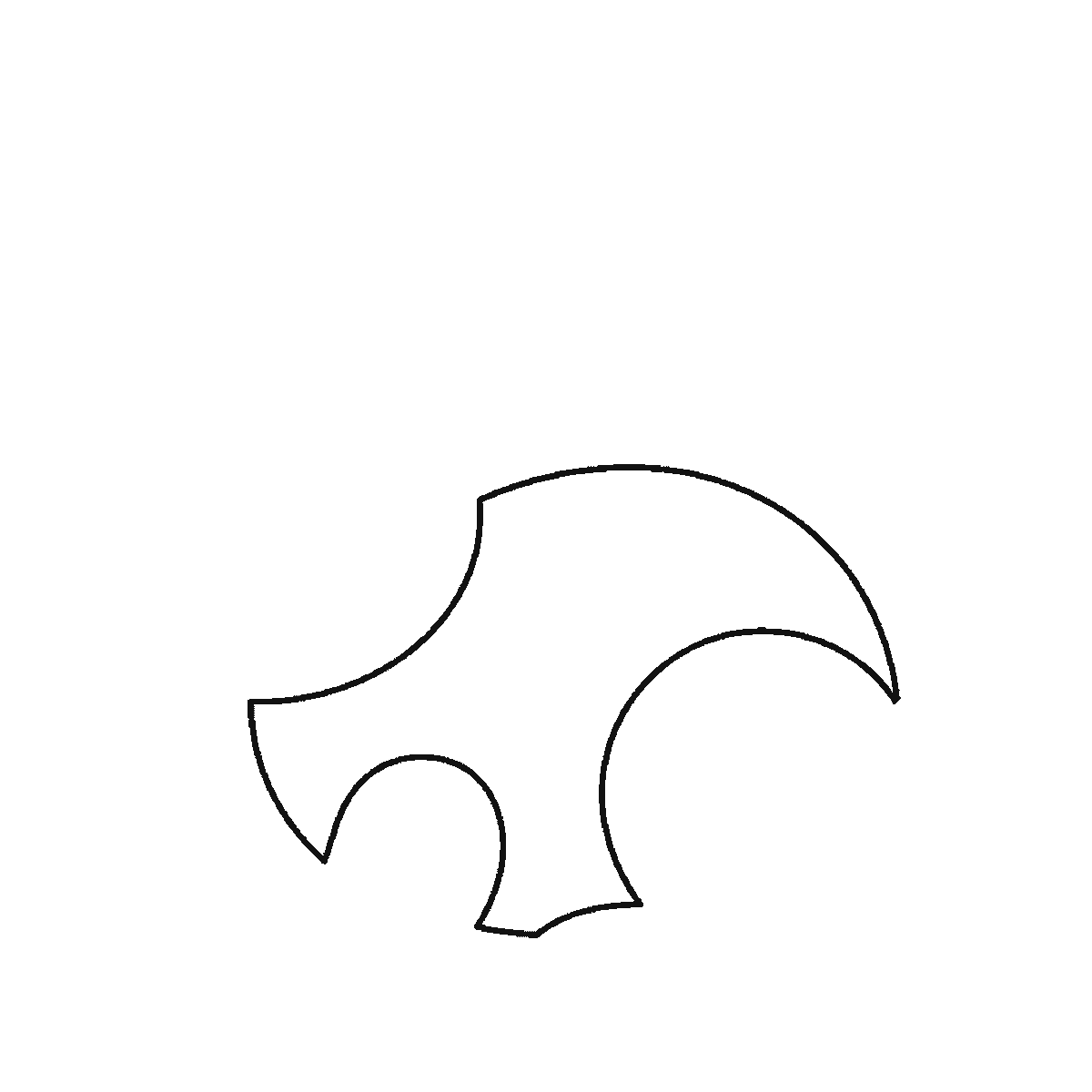
Step 1
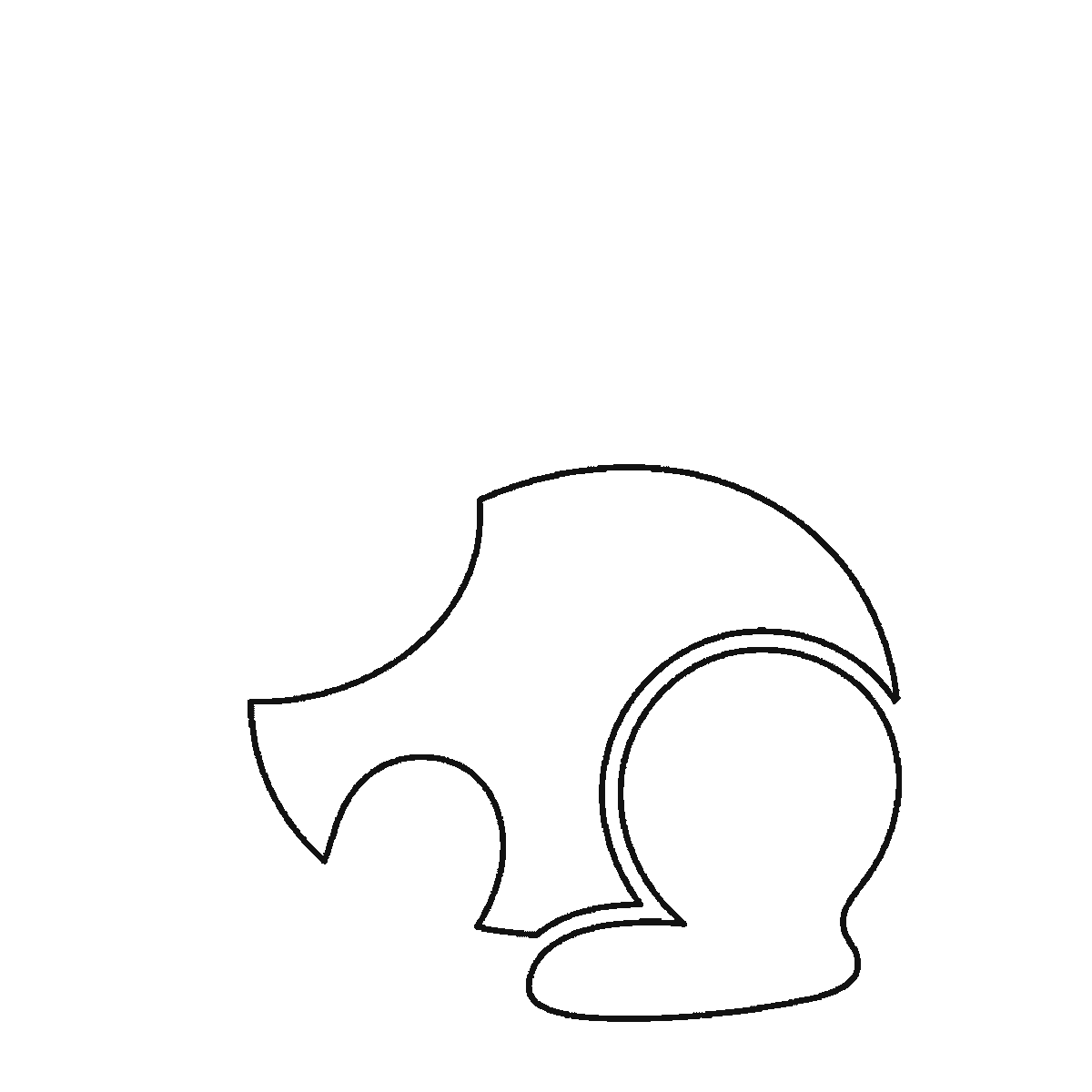
Step 2
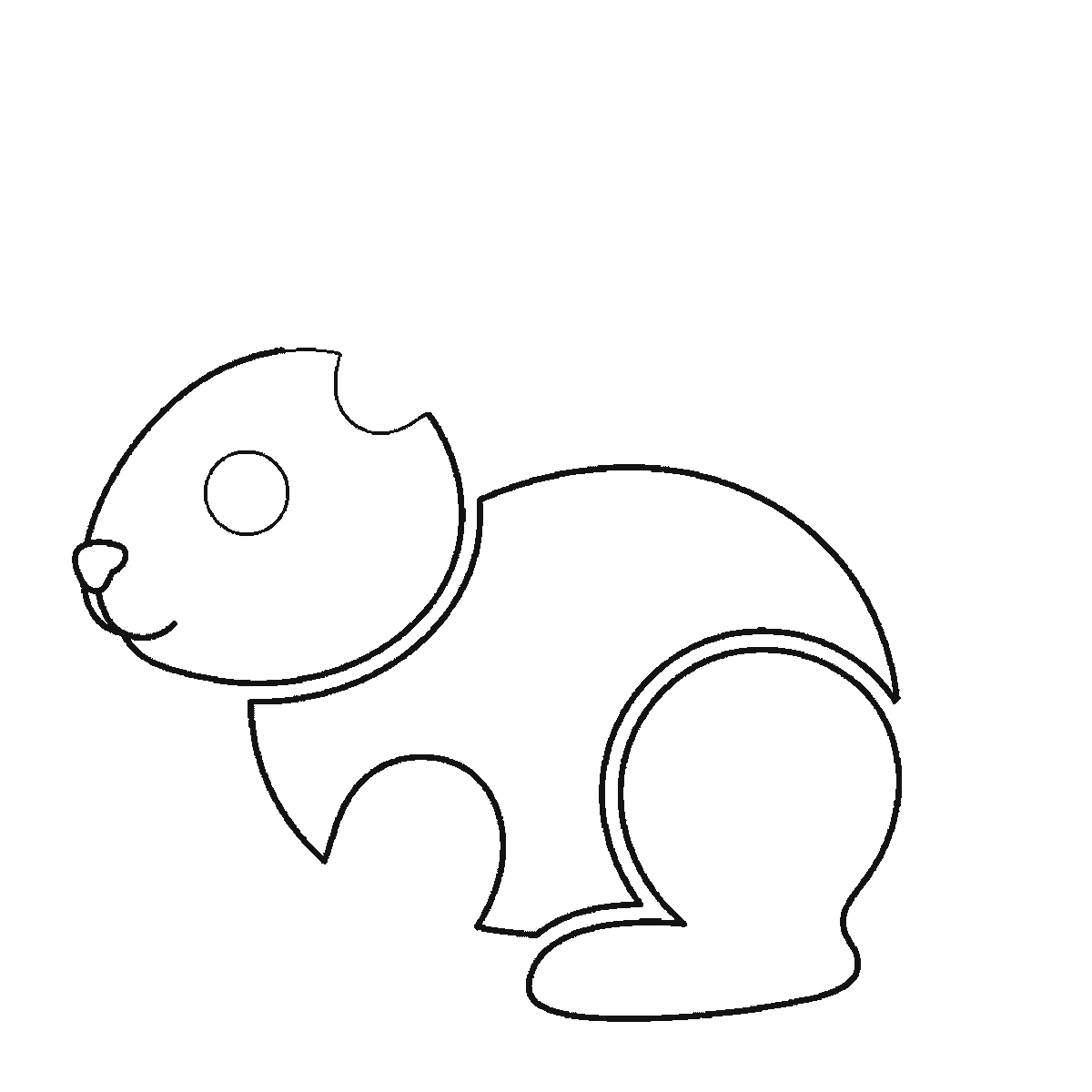
Step 3
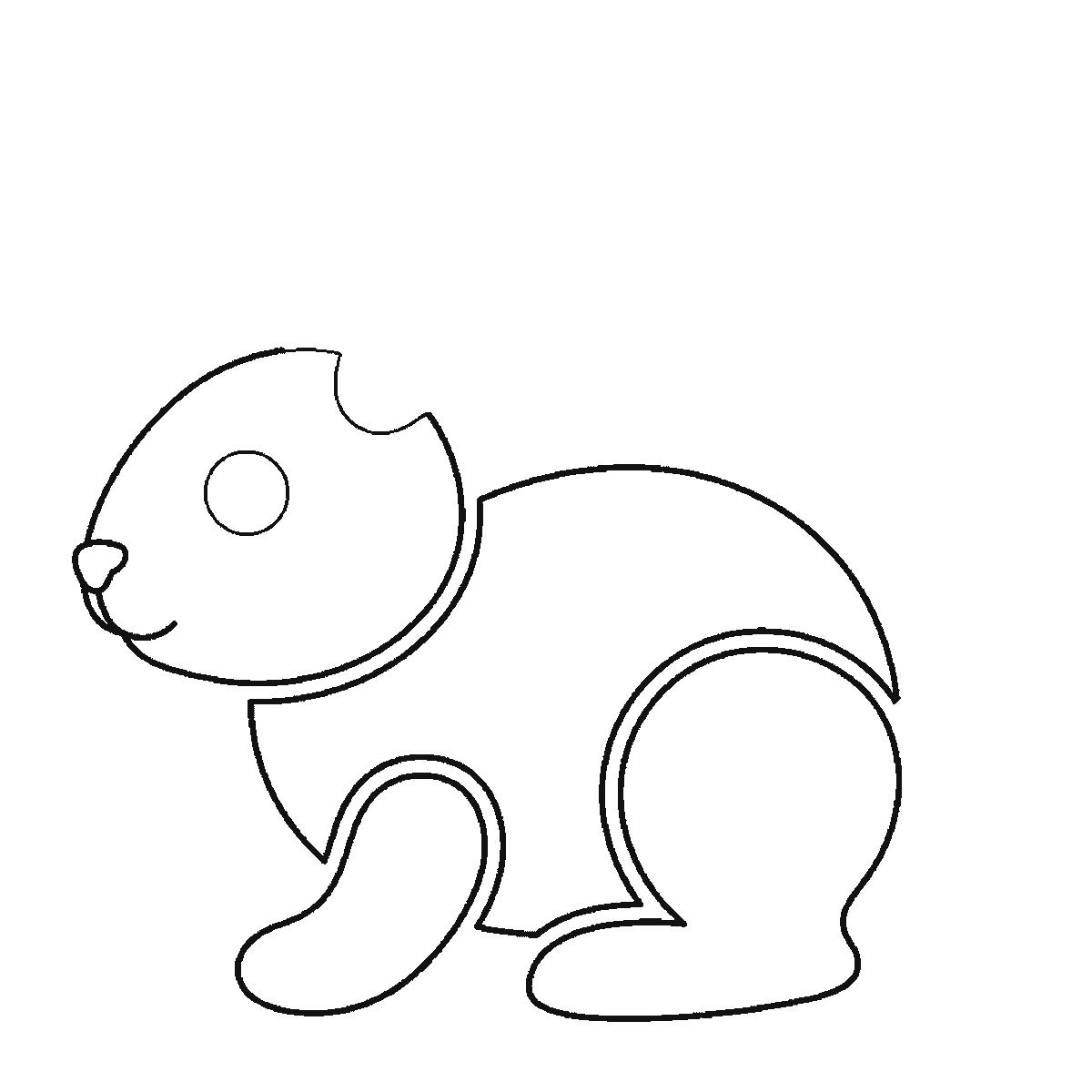
Step 4
Step 5
Step 6
More in this section
How to draw a lion
Six frames, one lion standing in profile. The body first, then the mane, the face, the two far legs, and the ear and tail tuft last.
Step sequence made by us from a single drawing: each step keeps the lines of the one before it and adds to them.
How to draw an elephant
Six frames, one elephant in profile. The body and near legs first, then the head, trunk, tusk and eye together, the big ear, the far legs, and the tail last.
Step sequence made by us from a single drawing: each step keeps the lines of the one before it and adds to them.
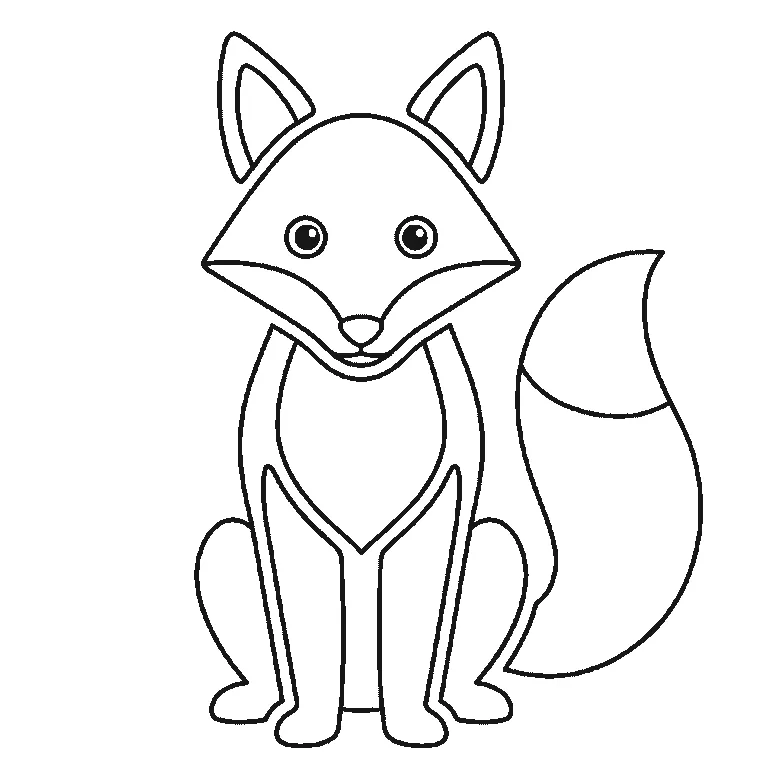
How to draw a fox
Six frames, one fox sitting and facing you. The head and the bushy tail together first, then the chest and legs, and the ears last.
Step sequence made by us from a single drawing: each step keeps the lines of the one before it and adds to them.
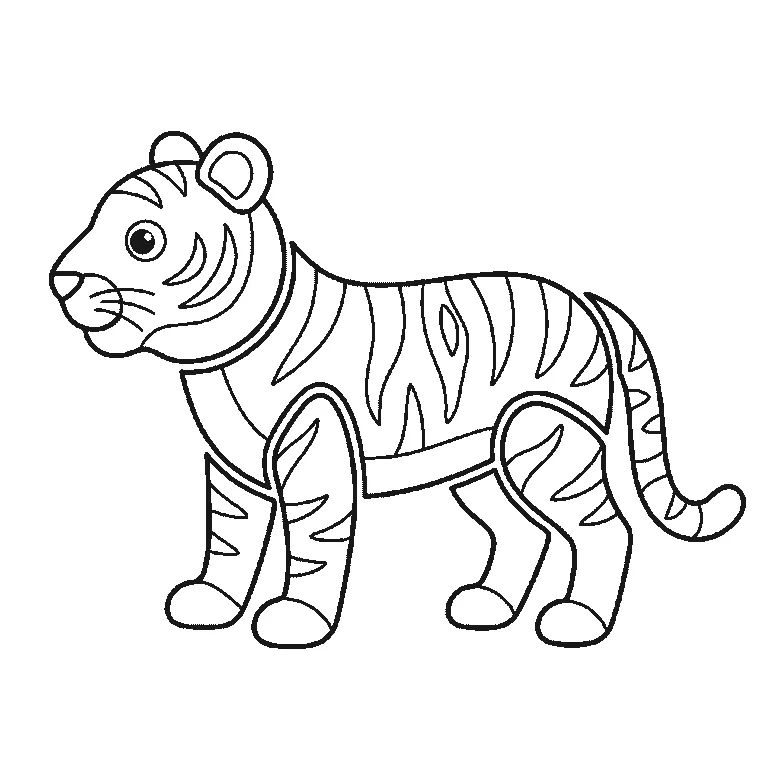
How to draw a tiger
Six frames, one tiger standing in profile. The striped flank first, then the head, the legs one at a time, and the tail last.
Step sequence made by us from a single drawing: each step keeps the lines of the one before it and adds to them.
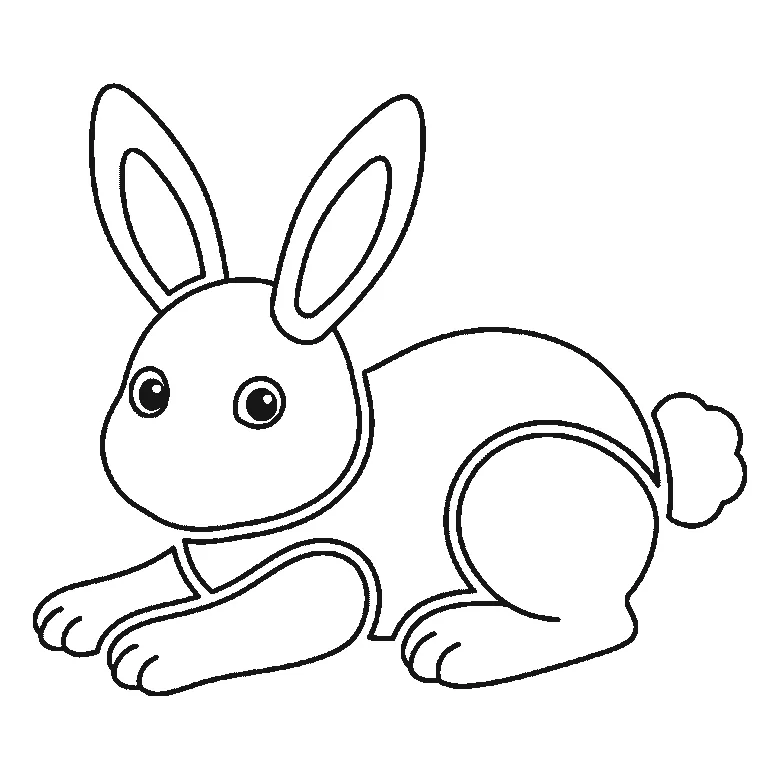
How to draw a bunny
Six frames, one bunny lying down with its paws stretched out. The head first, then the body, the long ears and the fluffy tail.
Step sequence made by us from a single drawing: each step keeps the lines of the one before it and adds to them.
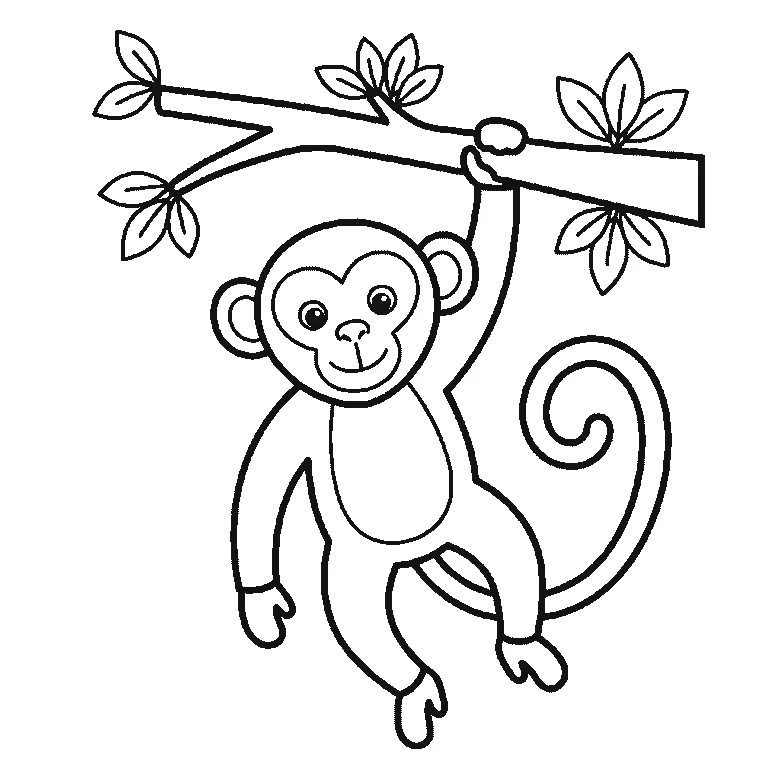
How to draw a monkey
Six frames, one monkey hanging by an arm from a branch. The limbs first, then the branch, the face and the curling tail.
Step sequence made by us from a single drawing: each step keeps the lines of the one before it and adds to them.
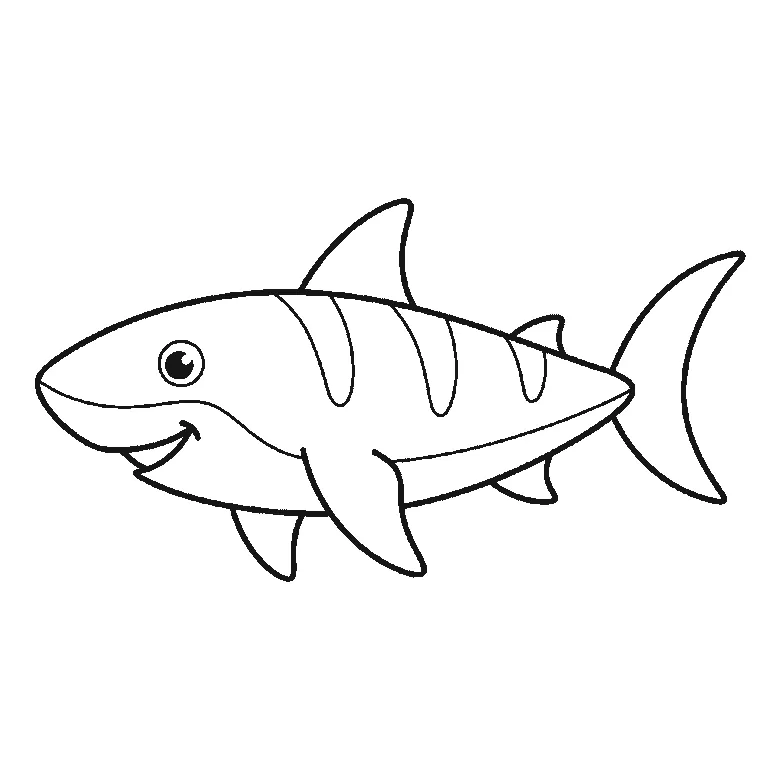
How to draw a shark
Six frames, one shark in profile. The body first, then the dorsal fin, side fins and crescent tail.
Step sequence made by us from a single drawing: each step keeps the lines of the one before it and adds to them.
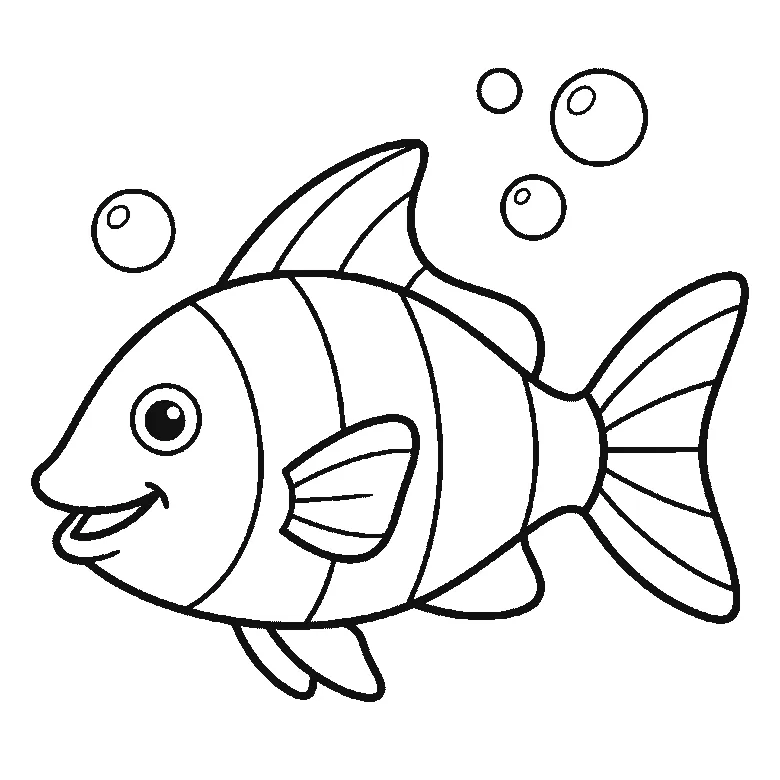
How to draw a fish
Six frames, one striped fish with bubbles. The head first, then the striped body, the fins and the fan tail.
Step sequence made by us from a single drawing: each step keeps the lines of the one before it and adds to them.
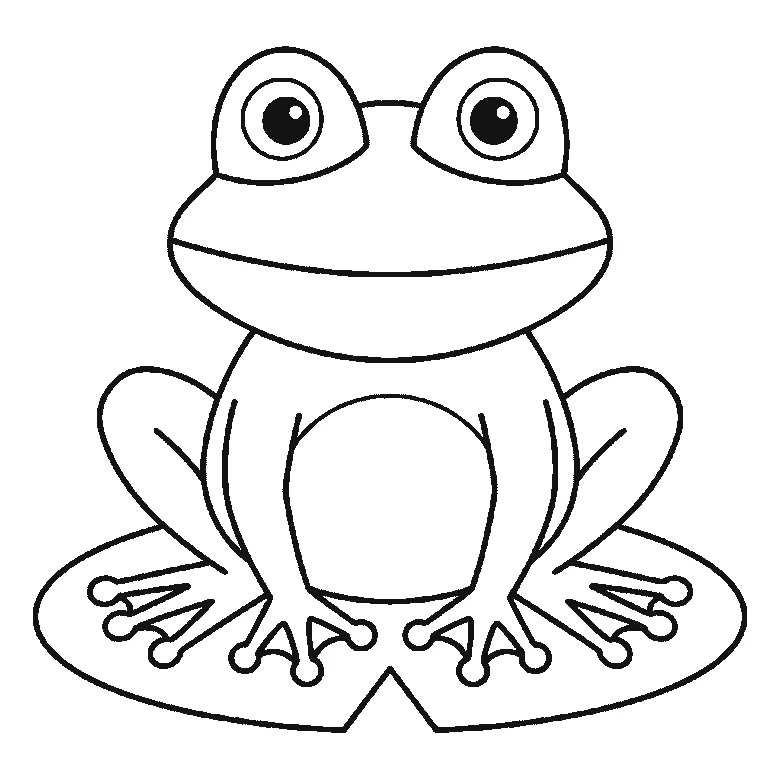
How to draw a frog
Six frames, one frog seen from the front. The lily pad first, then the body, the head and the domed eyes.
Step sequence made by us from a single drawing: each step keeps the lines of the one before it and adds to them.
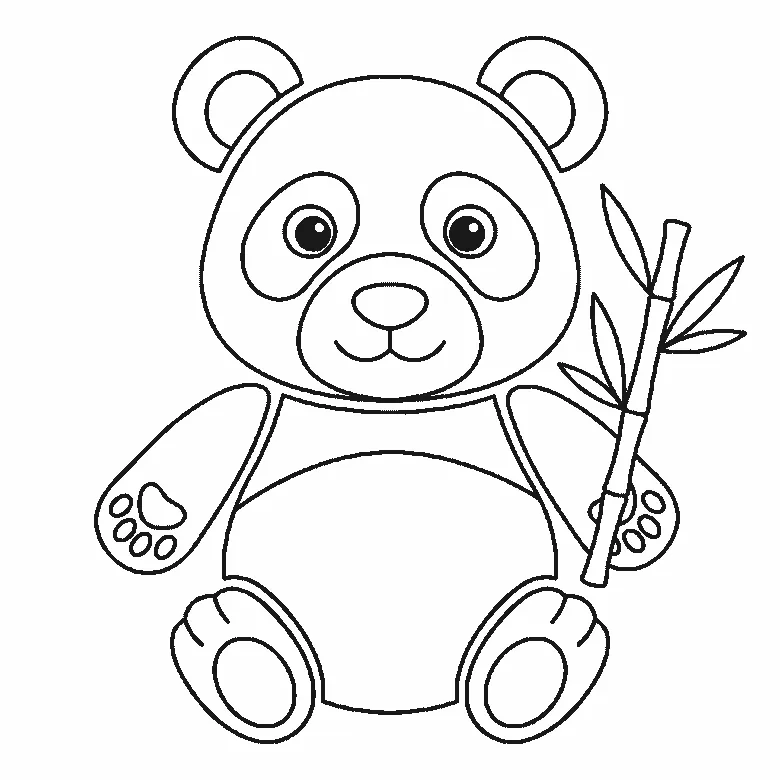
How to draw a panda
Six frames, one panda sitting up with a bamboo stalk. The head and its eye patches first, then the body, the ears and the bamboo.
Step sequence made by us from a single drawing: each step keeps the lines of the one before it and adds to them.
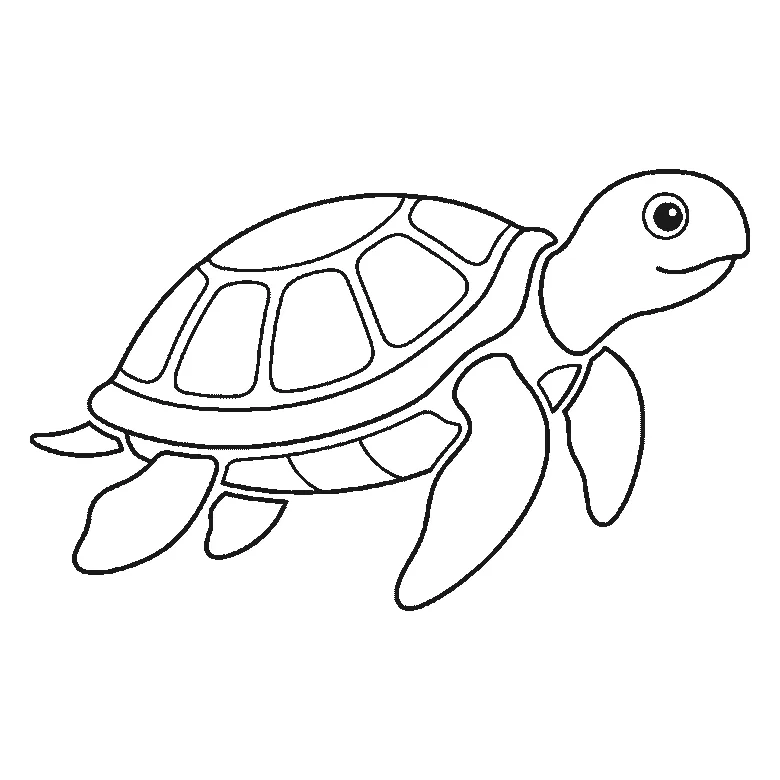
How to draw a turtle
Six frames, one sea turtle swimming in profile. The head and one flipper first, then the shell, the rear flippers and the plates.
Step sequence made by us from a single drawing: each step keeps the lines of the one before it and adds to them.
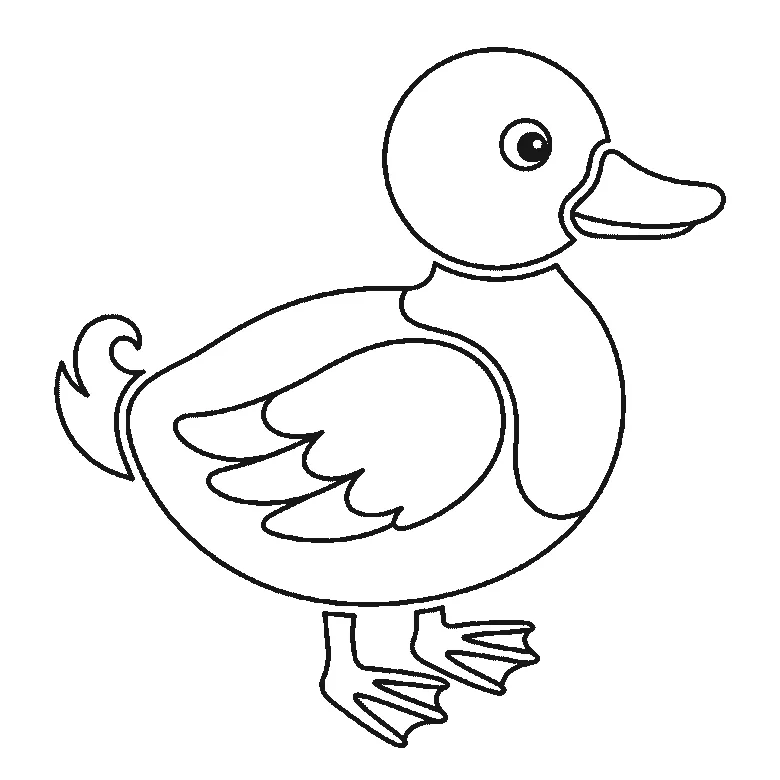
How to draw a duck
Six frames, one duck standing in profile. The folded wing first, then the head, the body, the bill and the webbed feet.
Step sequence made by us from a single drawing: each step keeps the lines of the one before it and adds to them.


