
PDF · A4 · 68 KB · Free, no sign-up. For home and classroom use.
How to draw a panda
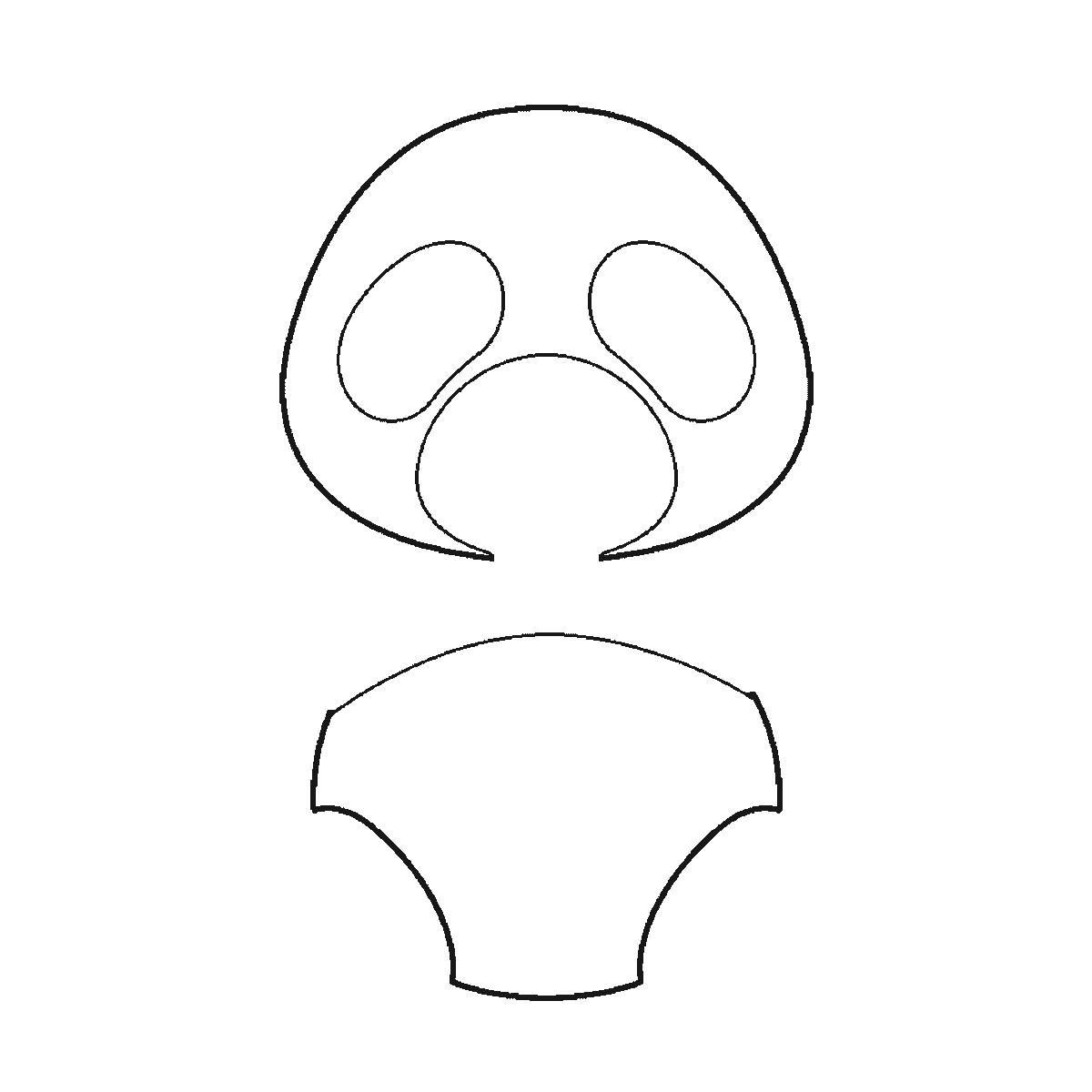
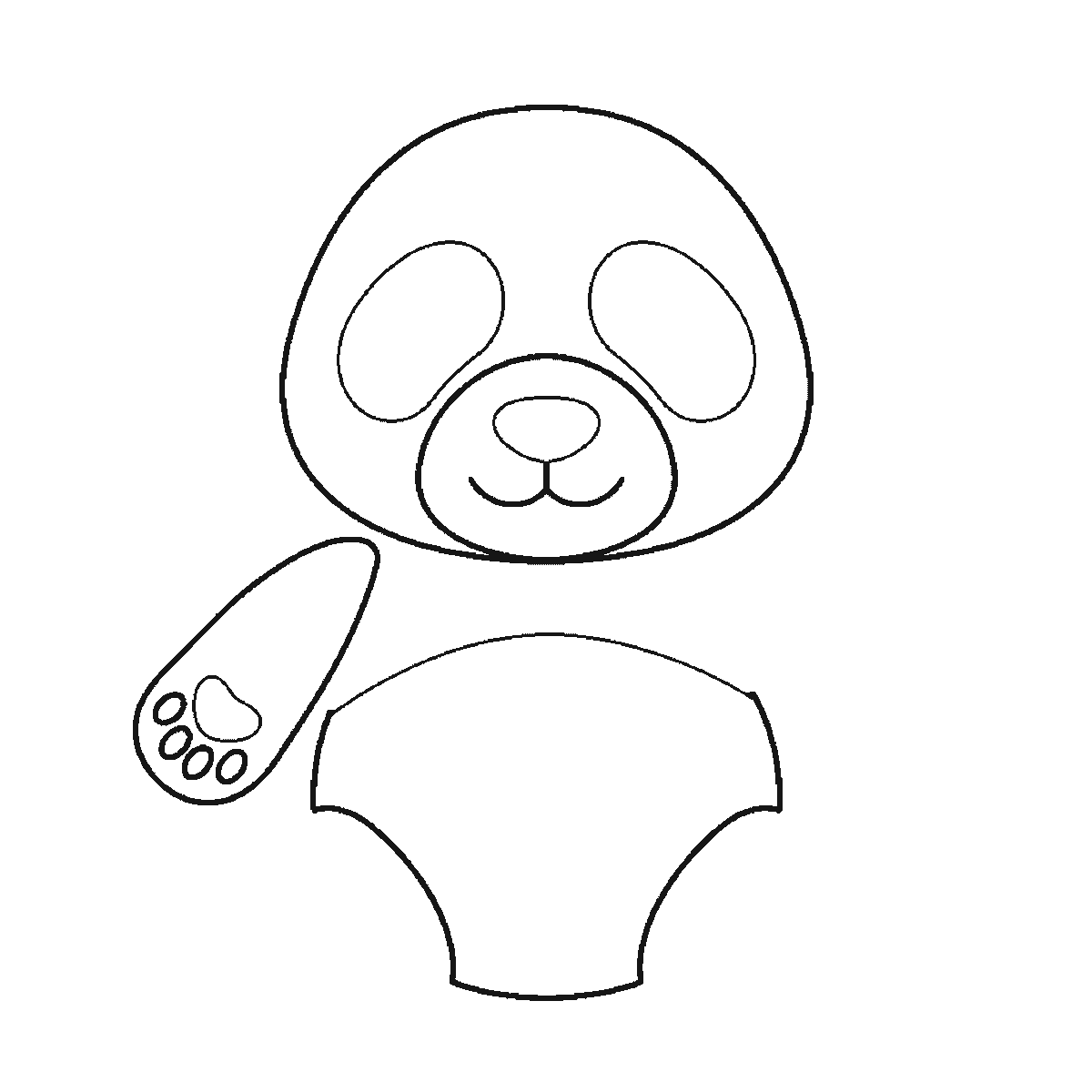
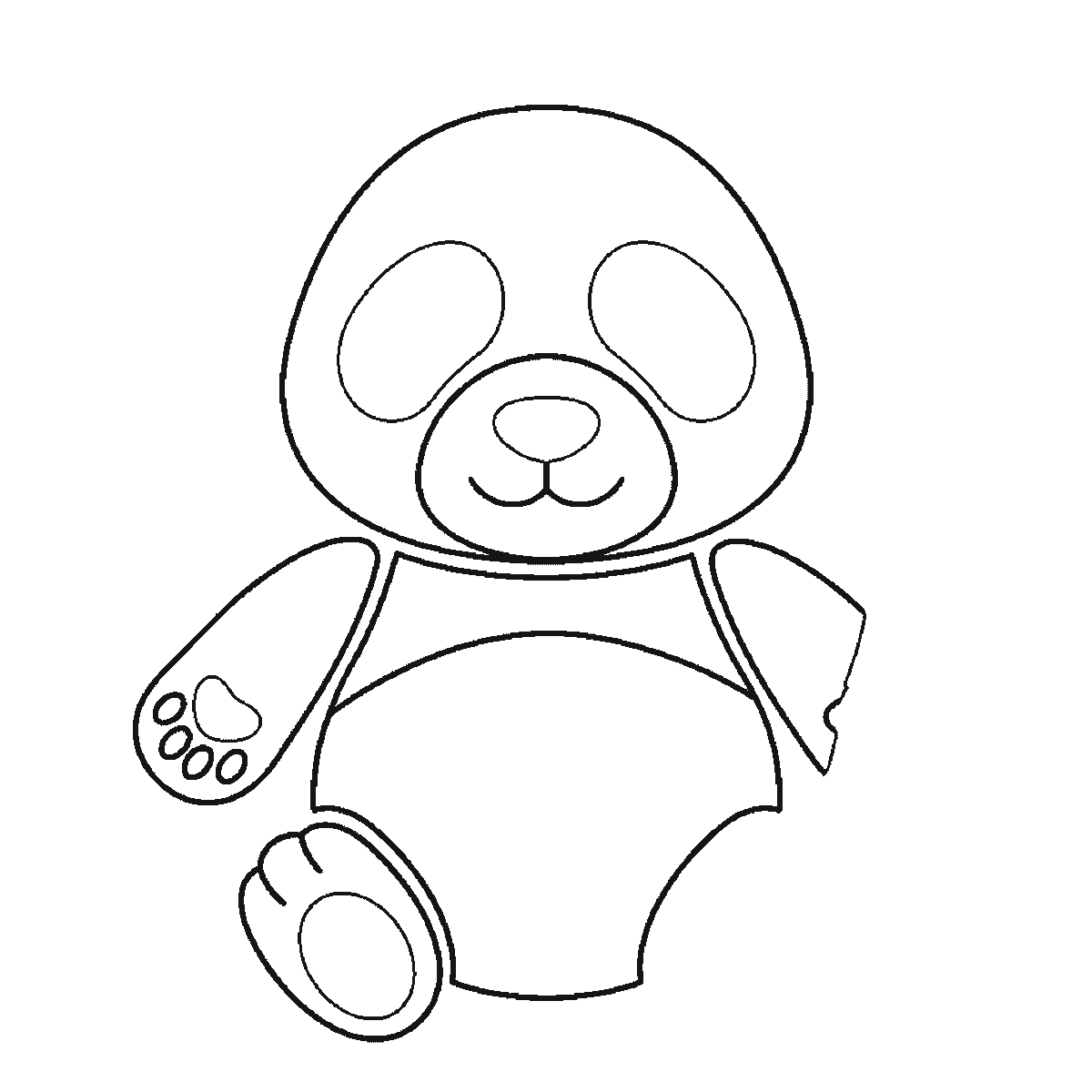
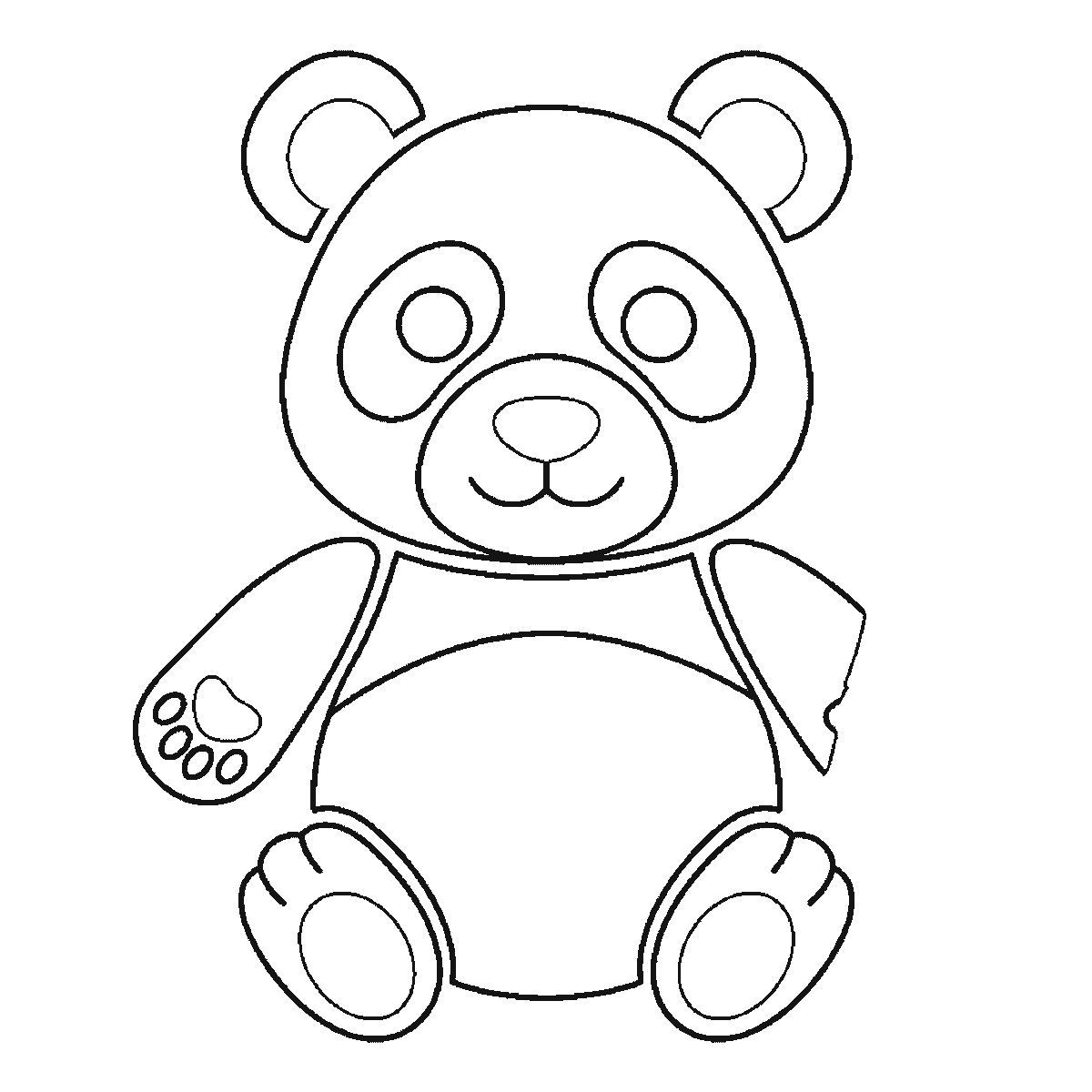
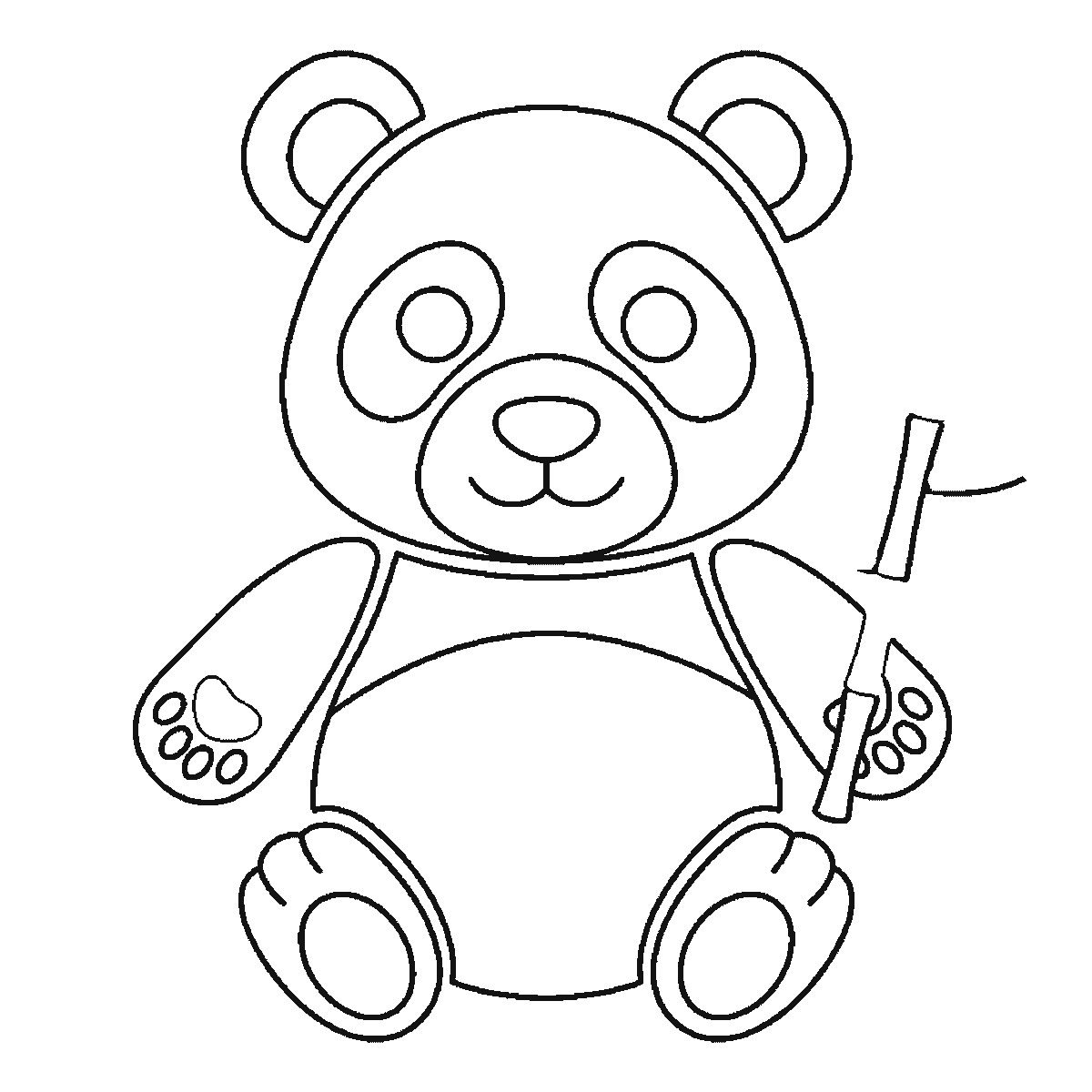
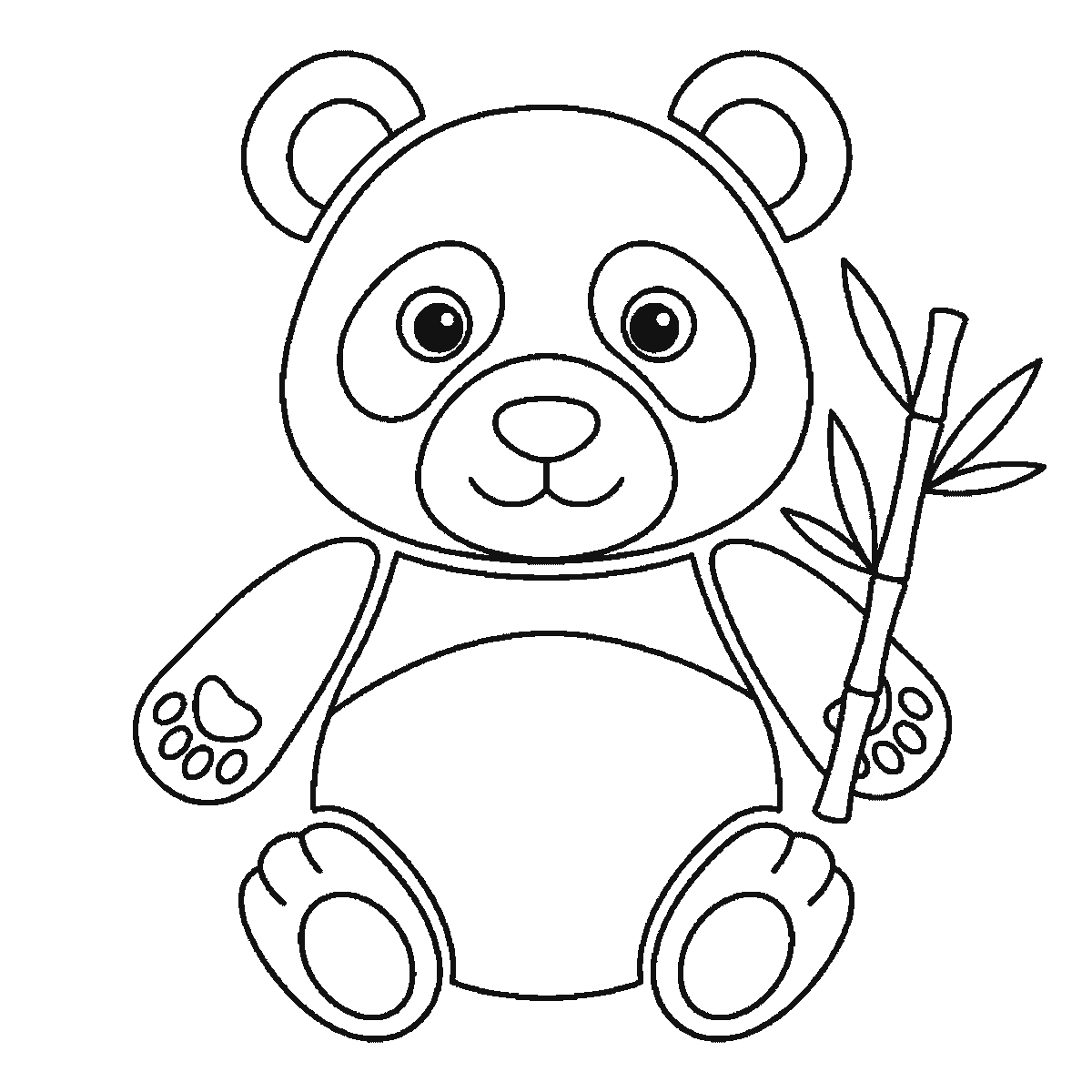
Six frames, one panda sitting up with a bamboo stalk. The head and its eye patches first, then the body, the ears and the bamboo.
A panda is a bear with the markings doing all the work, and that makes it an unusually forgiving subject: the underlying animal is a set of soft rounded shapes that would read as almost any bear, and the black patches are what turn it into this one. Get the patches in the right places and a fairly rough bear becomes unmistakable.
Frame one is the head with its two eye patches already in place, plus the pale belly panel floating below it with no body attached yet. The head is round — properly round, close to a circle, and large relative to the body. A panda's head is one of the biggest in proportion of any bear, and drawing it too small is the quickest way to end up with something that reads as a generic teddy.
The ears do not arrive until the fourth frame, which is later than you would expect for a shape that carries so much of the silhouette. When they come, they sit high on the skull as two round shapes overlapping the head outline rather than perching on top of it, each with a smaller curve inside. Round ears set wide apart are half of what makes this animal recognisable; squash them or move them to the sides and it starts to look like a cat.
The eye patches are the frame that matters most. They are large ovals, and the important thing is that they are tilted: each one slopes down and inwards towards the nose, so the pair sit like two commas facing each other. A panda drawn with horizontal oval patches looks surprised. The tilt is what gives the face its calm, slightly sleepy expression.
The eyes themselves are the very last thing on the sheet, dropped into the patches in frame six. They are small and they sit near the inner end of each patch, not centred. That off-centre placement costs nothing and changes everything: eyes in the middle of the patches make the animal look startled, eyes towards the nose make it look content. Because they arrive last you get five frames of practice at the patches before committing to them.
Below the patches sits a rounded muzzle with a broad nose on it and a small curved mouth beneath. Keep the muzzle short and wide. A long muzzle turns the panda into a dog wearing makeup, and it is a surprisingly easy mistake to make when working from the middle of the face outwards.
The body comes next as a rounded seated mass below the head, with a separate belly panel outlined inside it. The two front paws come forward, one of them raised to hold the bamboo, and the hind paws stick out at the bottom with pads and toes drawn on their soles. Those visible foot pads are a specific gift of the sitting pose — a standing panda hides them entirely.
The bamboo stalk is the last element: a straight segmented stem with leaves branching off it in small groups. Draw the segments as short divisions along the stalk rather than a smooth tube, and let the leaves come off in threes at an angle. It is a plant, so nothing about it should be symmetrical.
A panda is also worth drawing twice for a reason that has nothing to do with pandas. Draw it once with all its markings, then draw the same animal again with none of them. The second drawing is a plain bear, and seeing how little of the shape changed is the clearest possible demonstration of how much of an animal's identity is pattern rather than form.
The frames run largest closed shape first and smallest last, which here means head-with-patches and belly, then muzzle and one paw, then body and hind paws, then ears, then the bamboo stalk, then the eyes and leaves. It is an order that is easy to follow and it is not the correct one — there is no correct one, and blocking in the whole seated body before any marking would be the more usual way round.
Before you start
- Draw the head close to a proper circle and keep it large. A small head reads as a teddy.
- Tilt the eye patches down and inwards towards the nose. Horizontal patches look startled.
- Set the eyes near the inner ends of the patches, not in the middle of them.
- Keep the muzzle short and wide, or the panda turns into a dog.
Published Updated 684 words
The six steps
The steps go from the largest shape to the smallest, which is an easy order to copy. It is not the only order, and it is not a rule — if you would rather start somewhere else on the sheet, do.
Step 1
Step 2
Step 3
Step 4
Step 5
Step 6
More in this section
How to draw a turtle
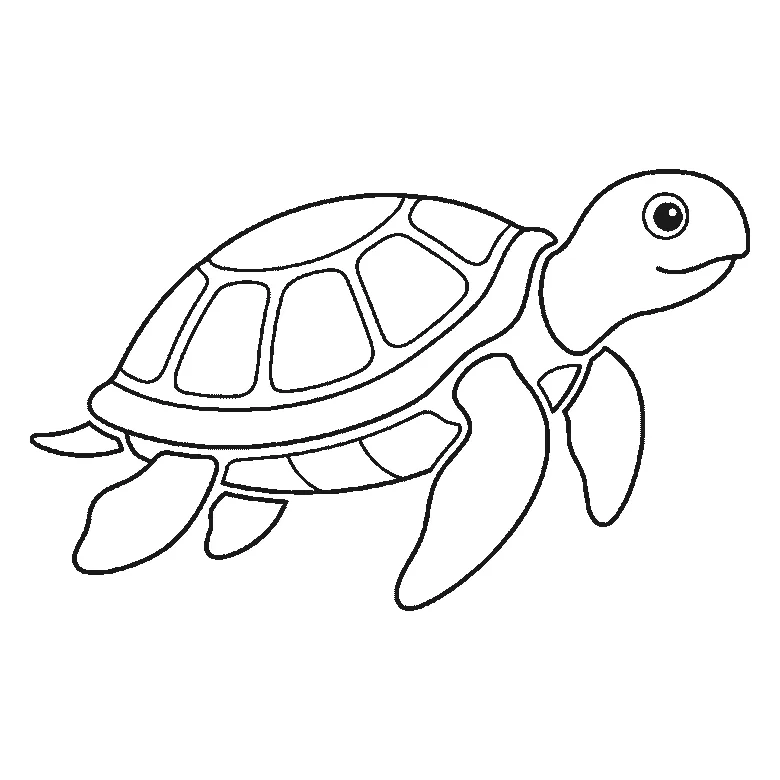
Six frames, one sea turtle swimming in profile. The head and one flipper first, then the shell, the rear flippers and the plates.
Step sequence made by us from a single drawing: each step keeps the lines of the one before it and adds to them.
How to draw a duck
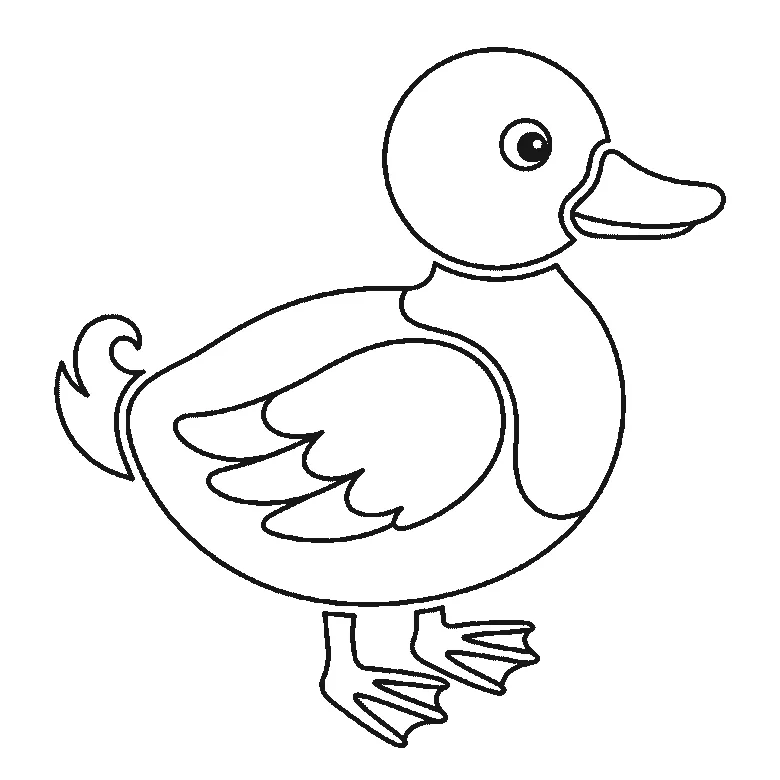
Six frames, one duck standing in profile. The folded wing first, then the head, the body, the bill and the webbed feet.
Step sequence made by us from a single drawing: each step keeps the lines of the one before it and adds to them.
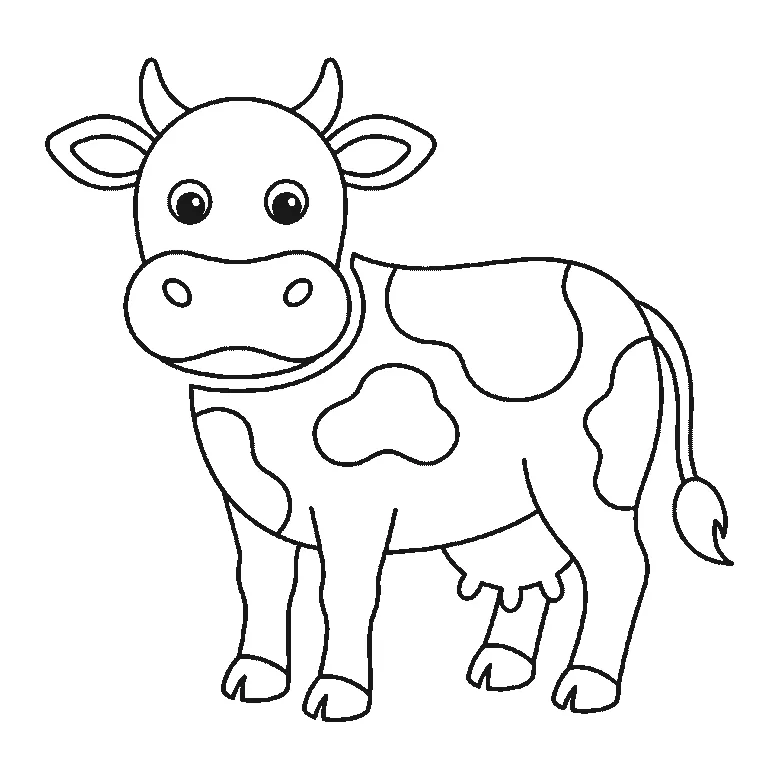
How to draw a cow
Six frames, one cow seen from the front. The patched body and legs first, then the head, the muzzle and the horns.
Step sequence made by us from a single drawing: each step keeps the lines of the one before it and adds to them.
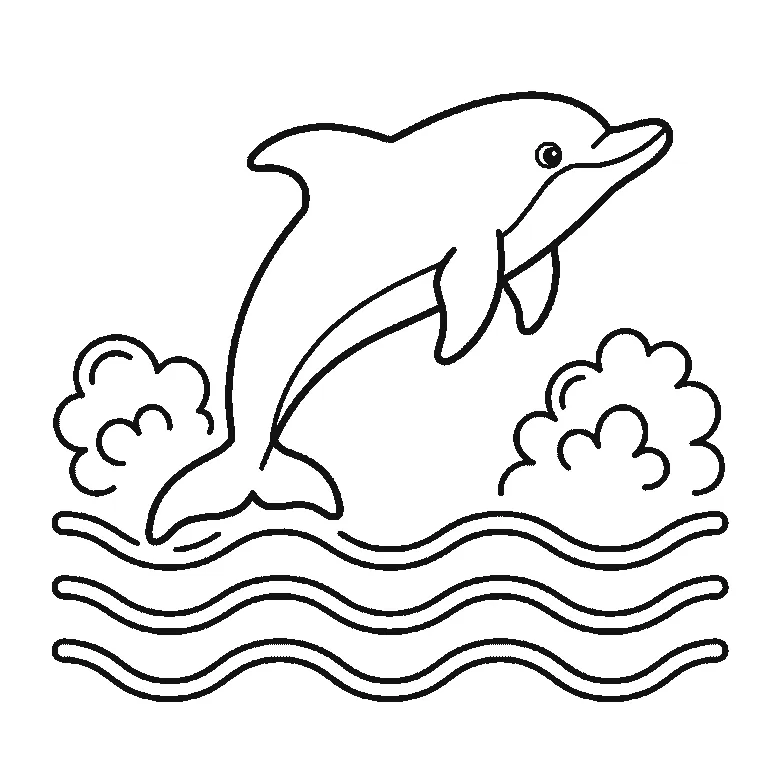
How to draw a dolphin
Six frames, one dolphin leaping over the waves. The whole animal in the first frame, then the waves and the splashes around it.
Step sequence made by us from a single drawing: each step keeps the lines of the one before it and adds to them.
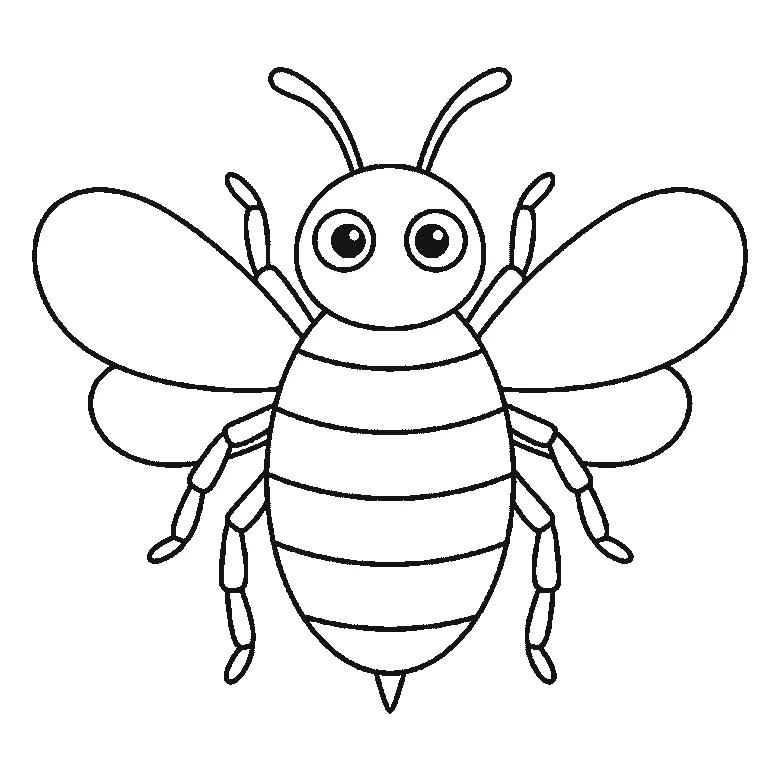
How to draw a bee
Six frames, one bumblebee seen from the front. The wings and head first, then the striped body, the legs and the antennae.
Step sequence made by us from a single drawing: each step keeps the lines of the one before it and adds to them.
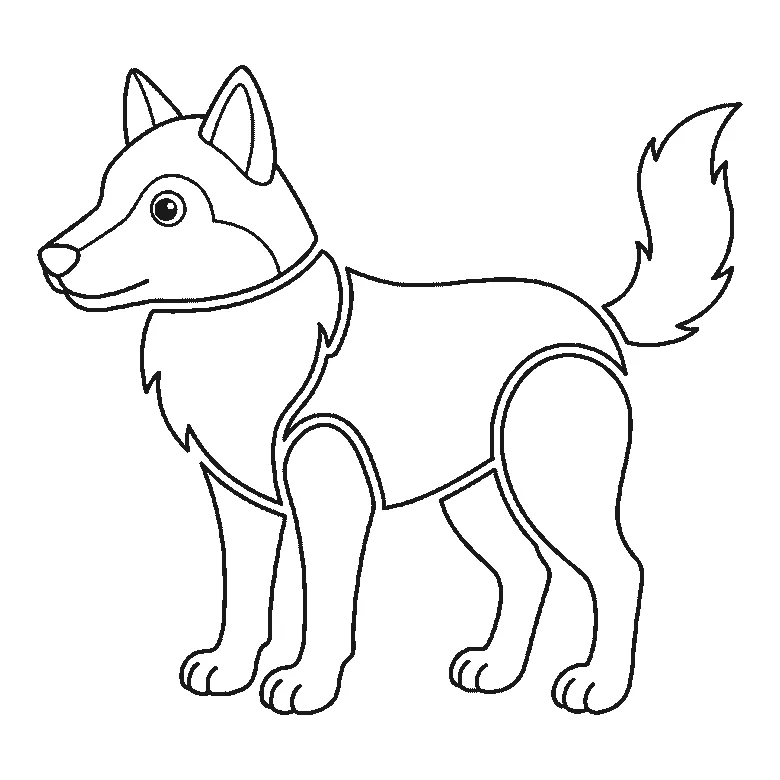
How to draw a wolf
Six frames, one wolf standing in profile. The chest ruff and a hind leg first, then the body, the head and the bushy tail.
Step sequence made by us from a single drawing: each step keeps the lines of the one before it and adds to them.
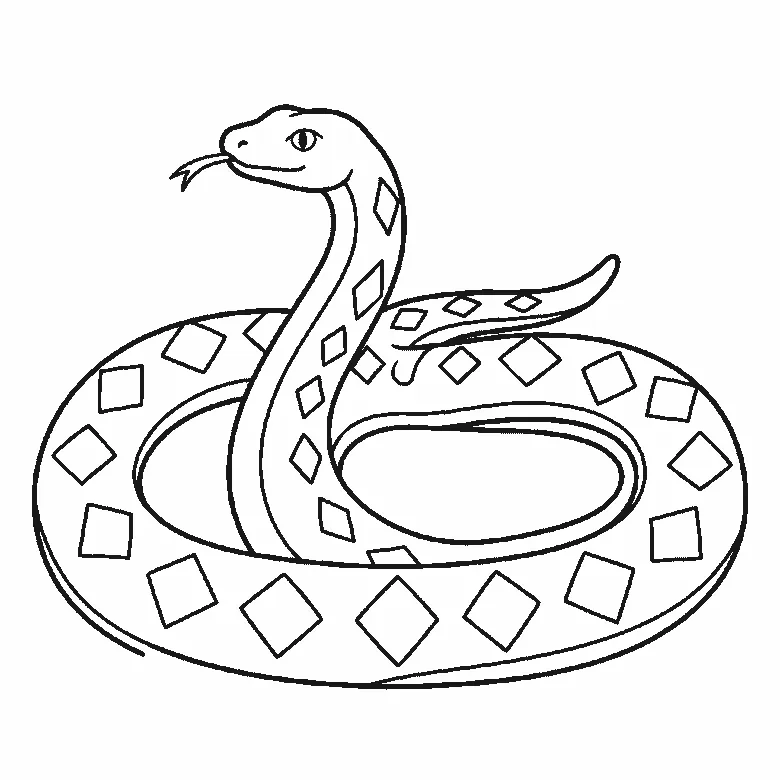
How to draw a snake
Six frames, one snake coiled in two loops with its head raised. Almost the whole coil in the first frame, then the inner edge and the diamonds.
Step sequence made by us from a single drawing: each step keeps the lines of the one before it and adds to them.
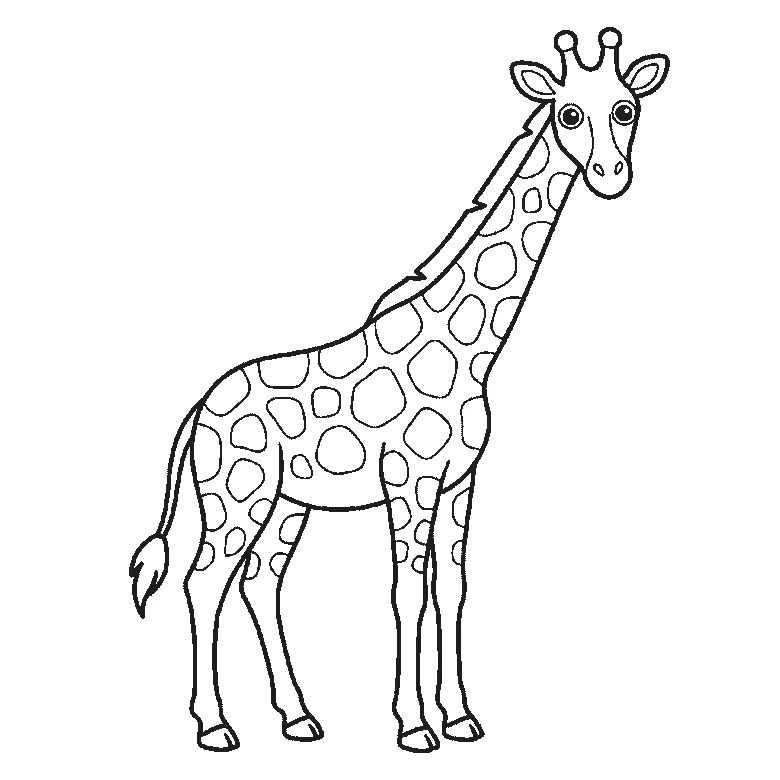
How to draw a giraffe
Six frames, one giraffe in profile with its head turned to you. Body, neck and legs first, then the coat patches and the face.
Step sequence made by us from a single drawing: each step keeps the lines of the one before it and adds to them.
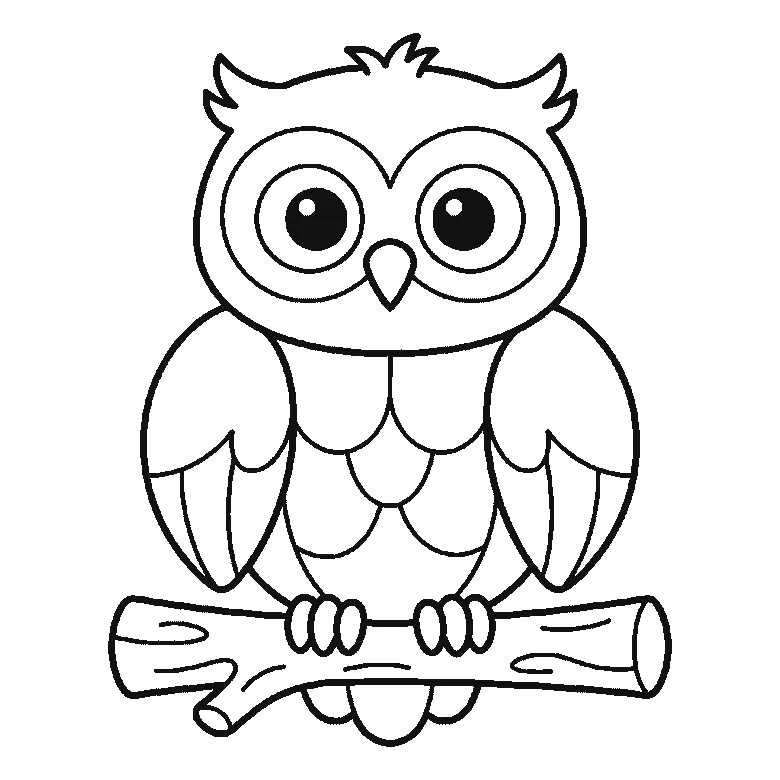
How to draw an owl
Six frames, one owl on a branch. The head and both ear tufts first, then the whole branch, then a wing at a time — and the pupils and the tail last.
Step sequence made by us from a single drawing: each step keeps the lines of the one before it and adds to them.
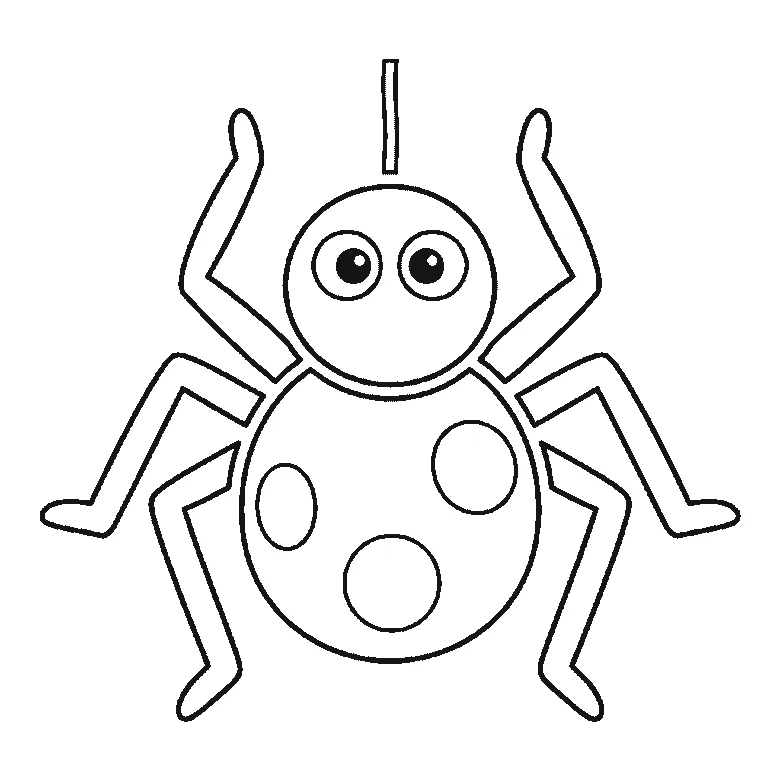
How to draw a spider
Six frames, one friendly spider. The patched round body first, then the head, then the legs two at a time — and the pupils and the thread right at the end.
Step sequence made by us from a single drawing: each step keeps the lines of the one before it and adds to them.
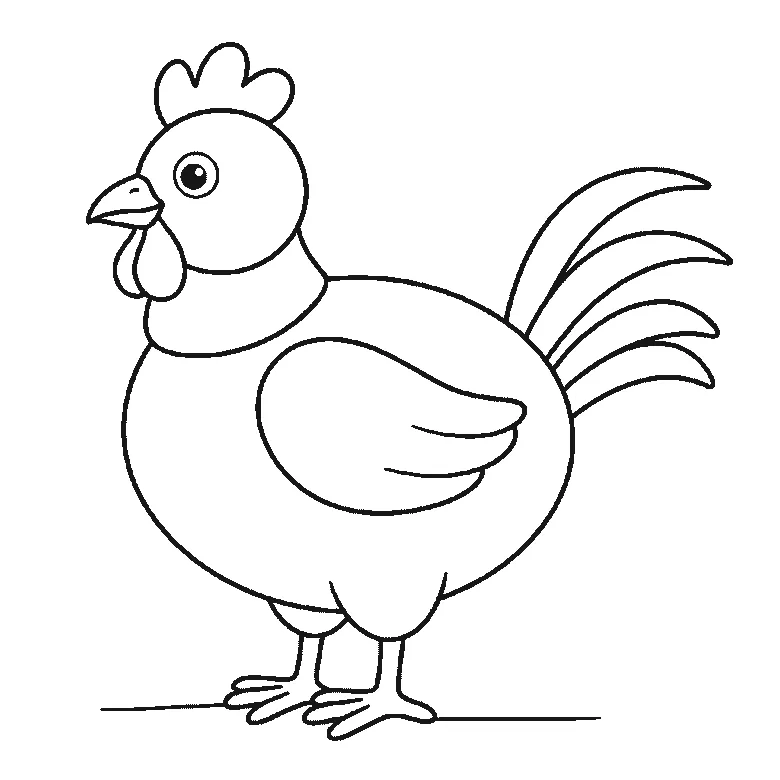
How to draw a chicken
Six frames, one plump hen standing side-on. The body first with no head at all, then the head and the folded wing, and the beak, wattle and eye right at the end.
Step sequence made by us from a single drawing: each step keeps the lines of the one before it and adds to them.
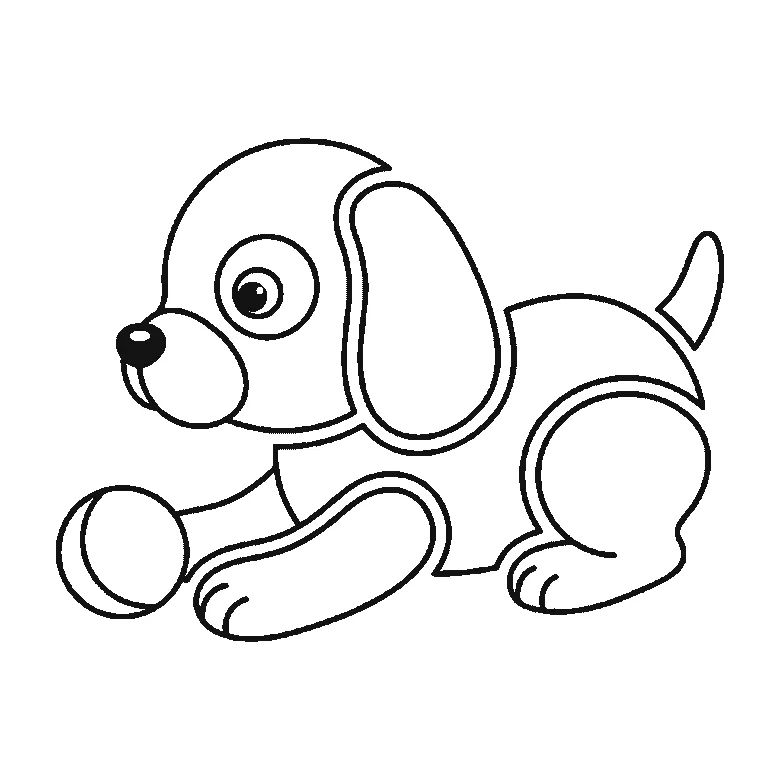
How to draw a puppy
Six frames, one round puppy lying down with a ball. The back and haunch first — no head until the second frame — and the nose, eye and tail last.
Step sequence made by us from a single drawing: each step keeps the lines of the one before it and adds to them.


