
PDF · A4 · 50 KB · Free, no sign-up. For home and classroom use.
How to draw a cow
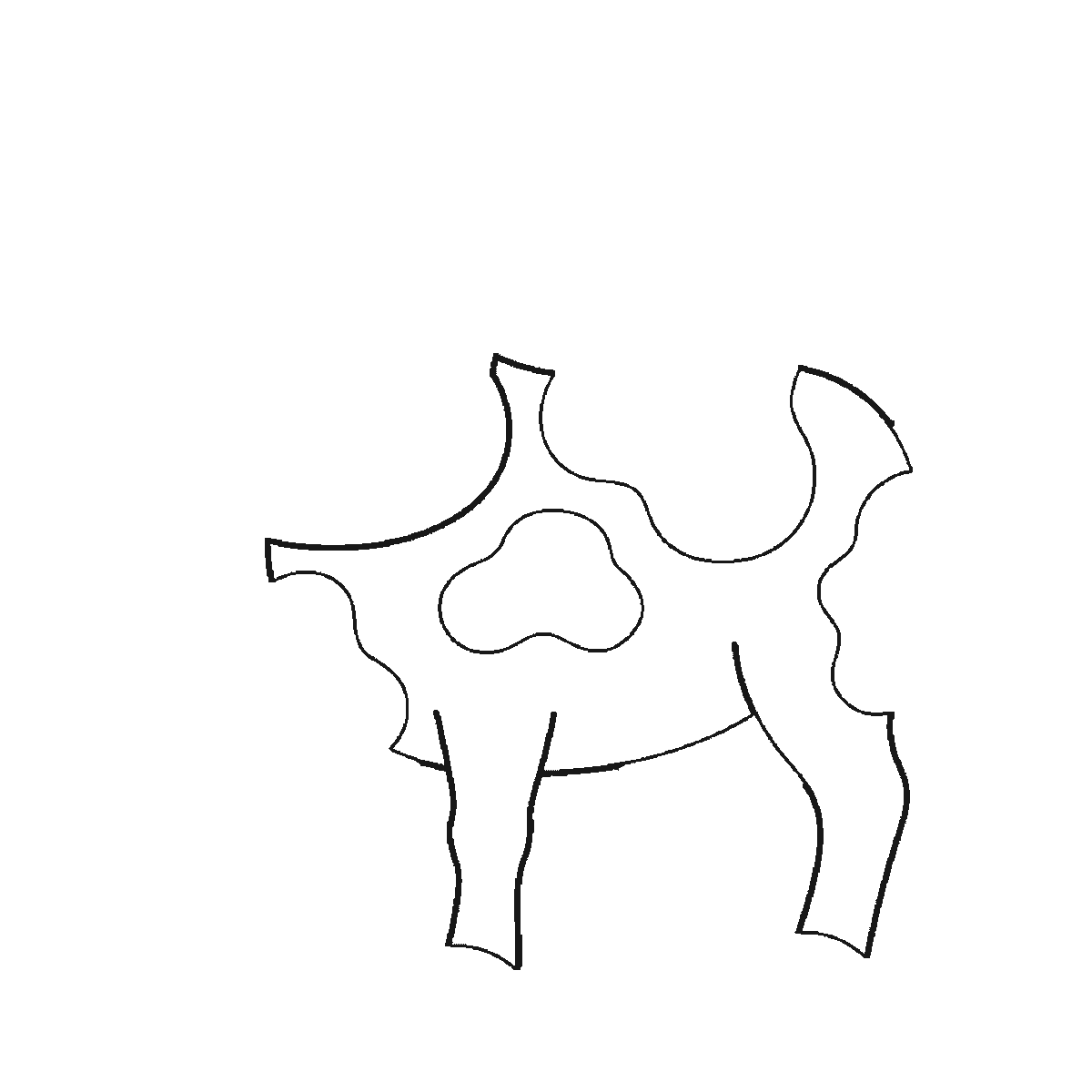
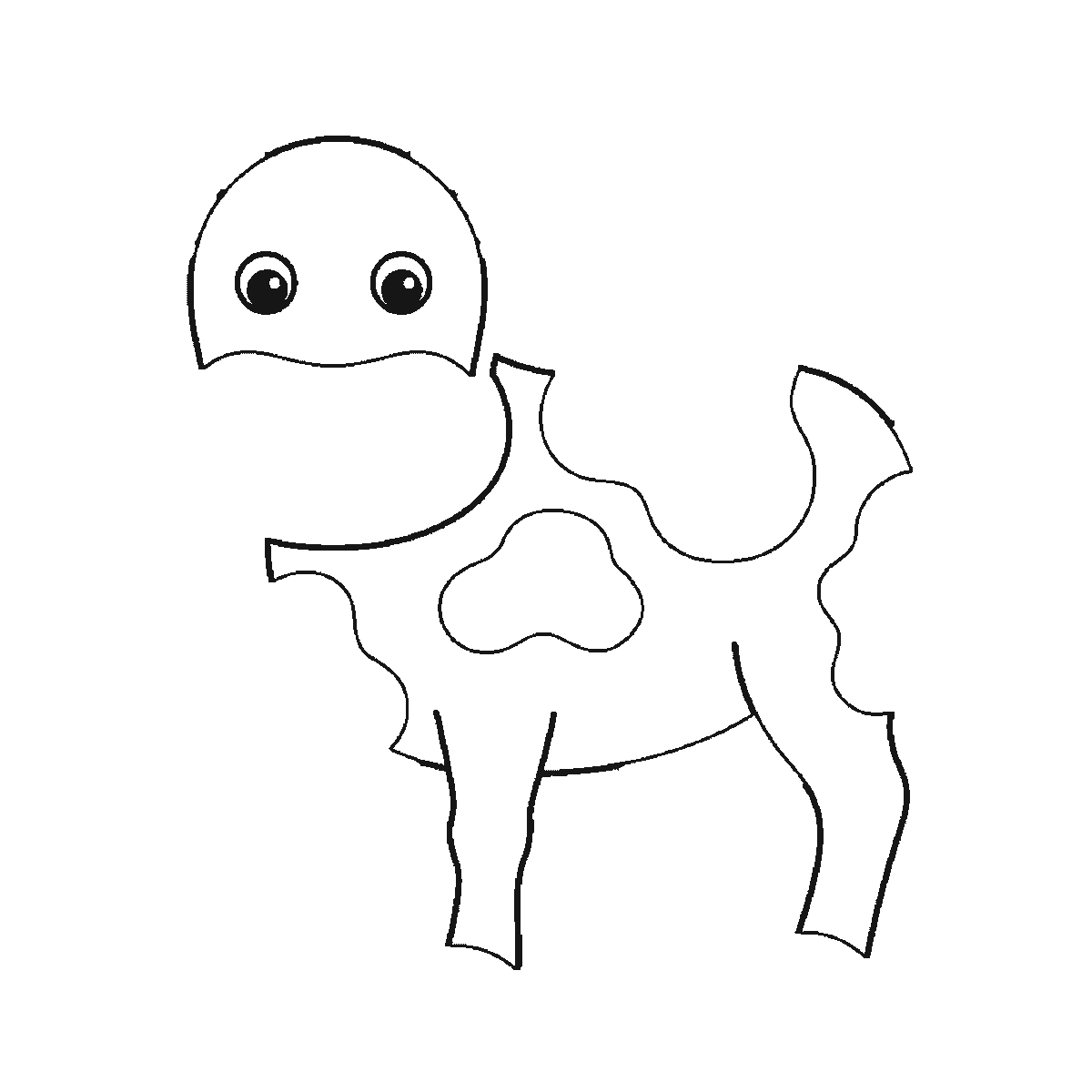
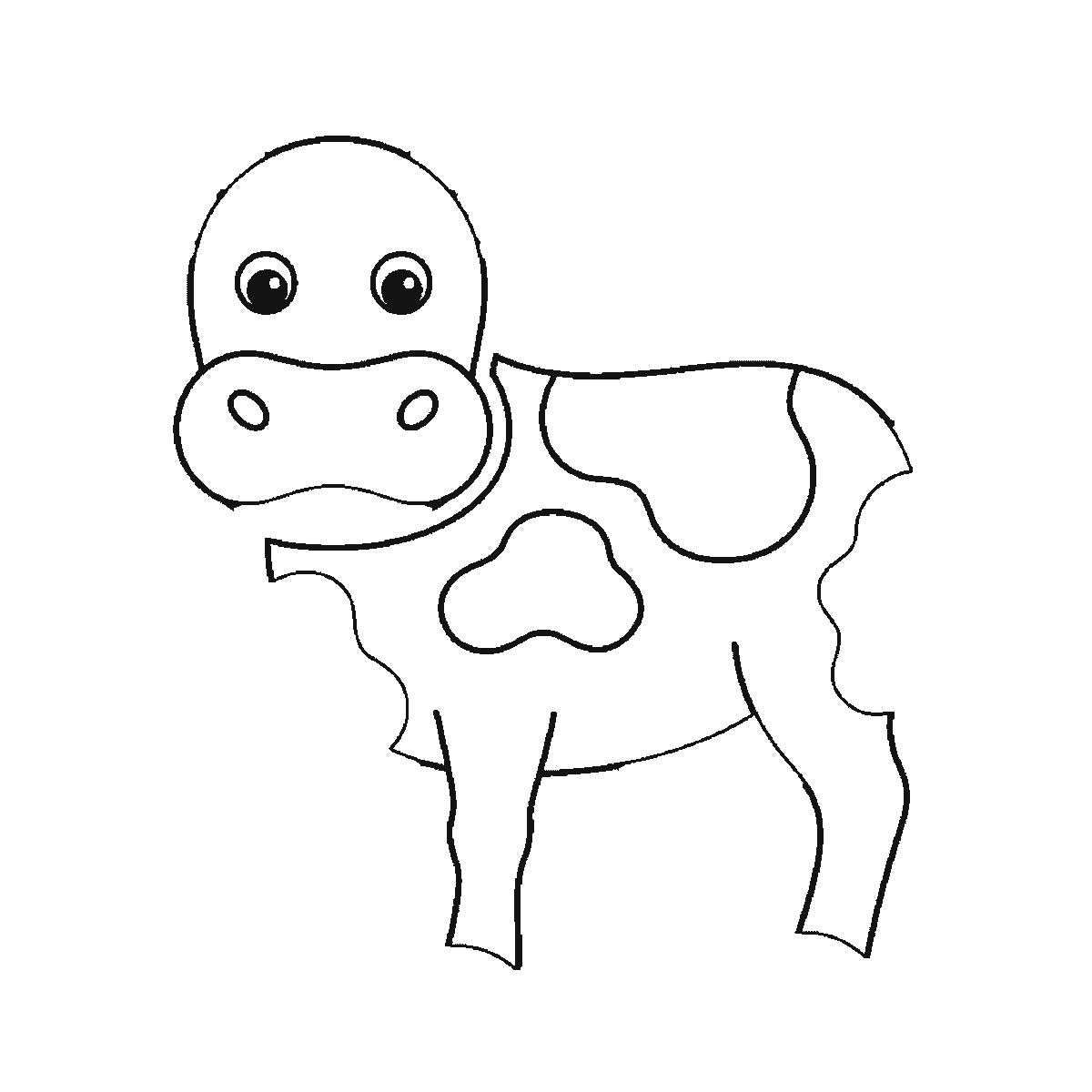
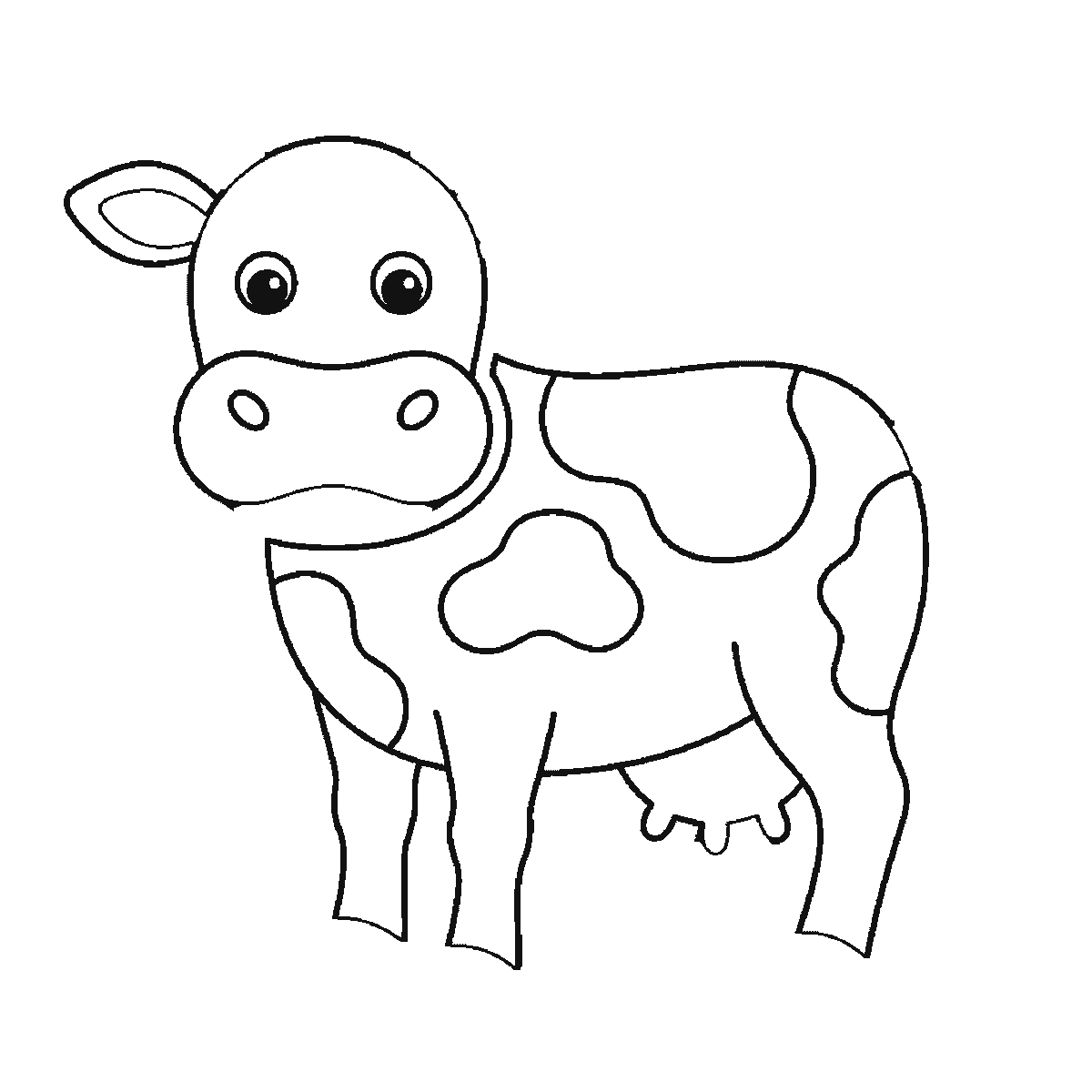
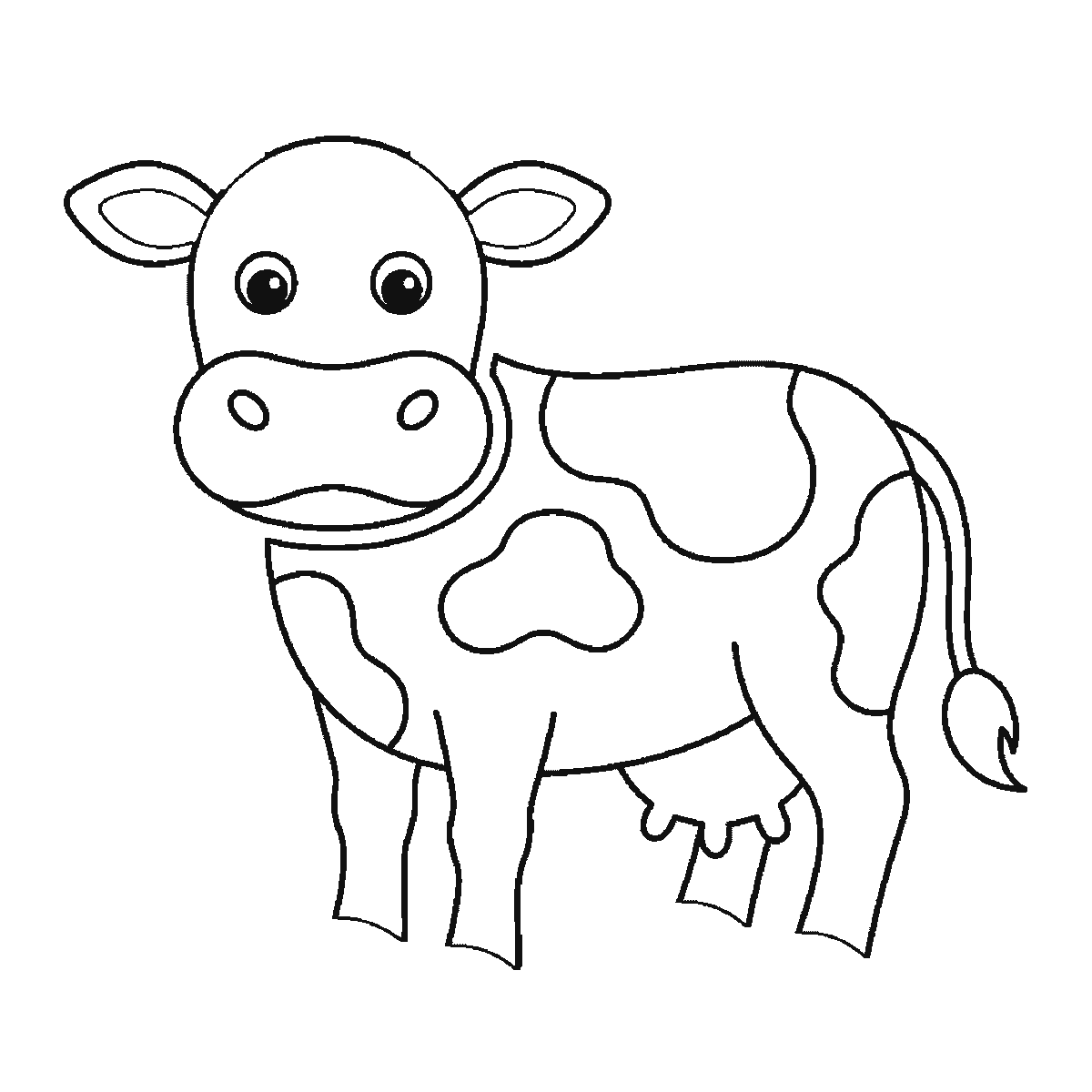
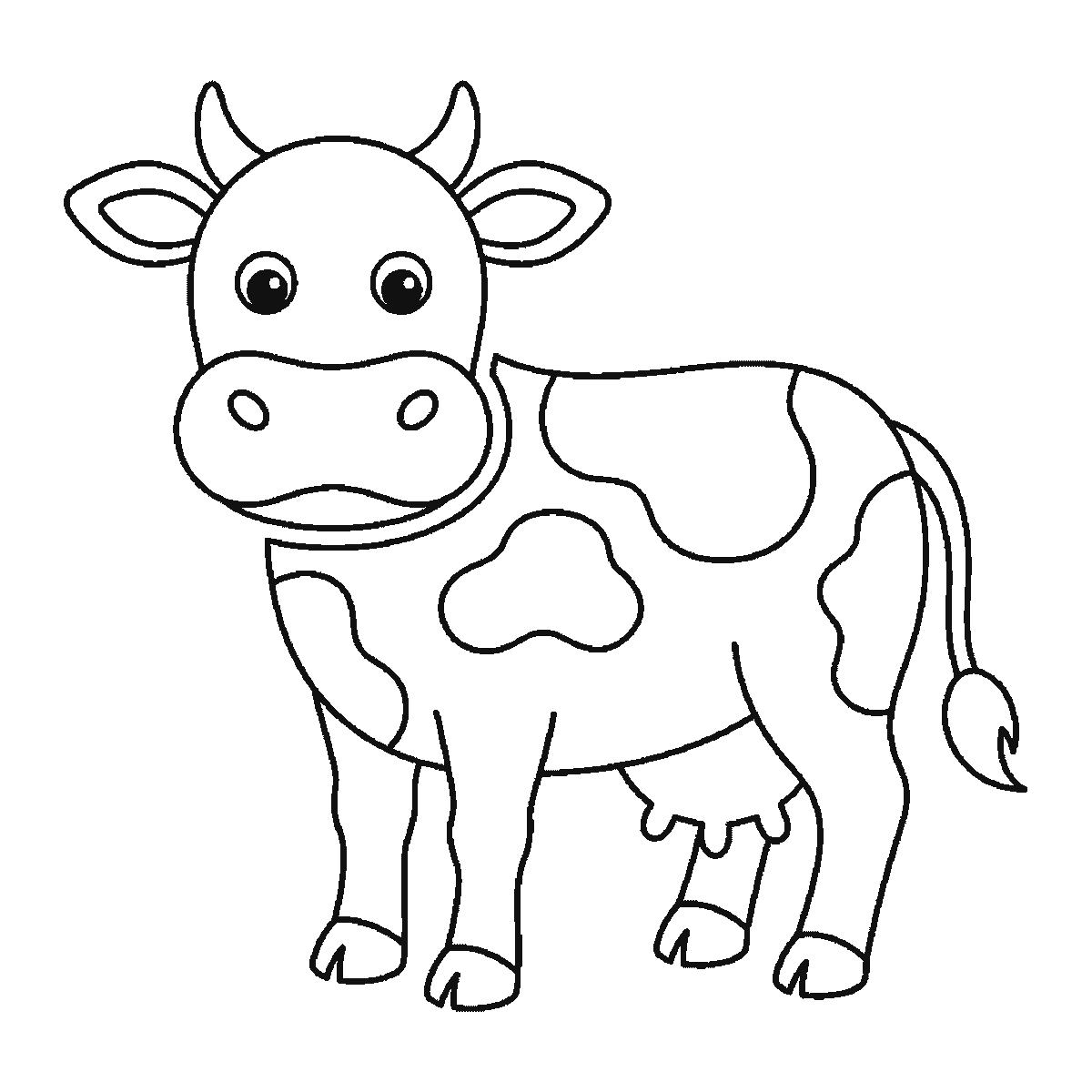
Six frames, one cow seen from the front. The patched body and legs first, then the head, the muzzle and the horns.
Most drawn cows fail in the same place, and it is not where people expect. It is not the legs or the horns — it is the muzzle. A cow's muzzle is huge, blunt and squared off, and it takes up a startling proportion of the face. Draw it at the size instinct suggests and you get a deer with spots.
Frame one is the body, a long rounded barrel seen slightly from the front so that it recedes to one side. Keep it deep from back to belly. Cattle are heavy animals and a shallow body makes them look like ponies, which is the second-commonest way this drawing goes astray.
The head is set forward and low, and it is roughly a rounded rectangle rather than a circle — long from ears to muzzle, and not much narrower at the top than the bottom. Because this cow faces the viewer you draw both eyes, set wide apart on the sides of the skull, each large and round with a filled pupil.
Then the muzzle, at the size the animal actually has it: a broad soft shape covering the whole lower third of the face, with two large well-separated nostrils on it and a wide mouth line below. Draw it too small and no amount of correction elsewhere will rescue the drawing. Draw it too large and it still looks like a cow.
The ears sit low and stick out sideways, almost horizontally, as long leaf shapes. This is the opposite of a dog or a cat, whose ears sit on top of the skull, and it is why a cow's head reads as wide. Each ear carries a smaller inner shape.
The horns come out of the top of the head between the ears — short, curved and tapering to blunt points, sweeping up and slightly inwards. Keep them modest. Long dramatic horns belong to a different kind of cattle and they turn a friendly farm animal into something with opinions.
The patches arrive next and they are the pattern that carries the drawing. Three large irregular shapes across the body works better than a dozen small ones. The rule that matters: no patch should be a circle, an oval, or symmetrical about anything. Draw them as blobs with lumpy edges, let one run off the edge of the body, and let another cross onto a leg. Regular patches read as spots on a dog.
The legs are four thick columns with a clear knee about halfway down, narrowing below it, and ending in a blunt split hoof. That split is worth drawing — a single line up the middle of the hoof is all it takes, and it is the detail that says cow rather than horse.
The udder sits between the back legs as a rounded shape with small teats below, and the tail hangs down the back with a tuft at the end. Neither is difficult and both are the sort of thing that gets forgotten until the drawing is finished and looks oddly unfurnished.
The six frames run from the largest closed shape to the smallest, which here means the patched body and legs, then the top of the head with the eyes, then the muzzle, then the ears and horns, then the udder and tail, then the hooves and the tail tuft. It is an easy order to copy and it is not a claim about the right way to draw a cow. If you would rather establish the head first because the face is what you care about, the finished animal is the same.
Before you start
- Make the muzzle far bigger than feels right. It covers the whole lower third of the face.
- Set the ears low and horizontal, out to the sides — not on top of the skull.
- Draw the patches as irregular lumpy blobs, never circles, and let one run off an edge.
- Split the hoof with a single line. It is the detail that says cow rather than horse.
Published Updated 601 words
The six steps
The steps go from the largest shape to the smallest, which is an easy order to copy. It is not the only order, and it is not a rule — if you would rather start somewhere else on the sheet, do.
Step 1
Step 2
Step 3
Step 4
Step 5
Step 6
More in this section
How to draw a dolphin
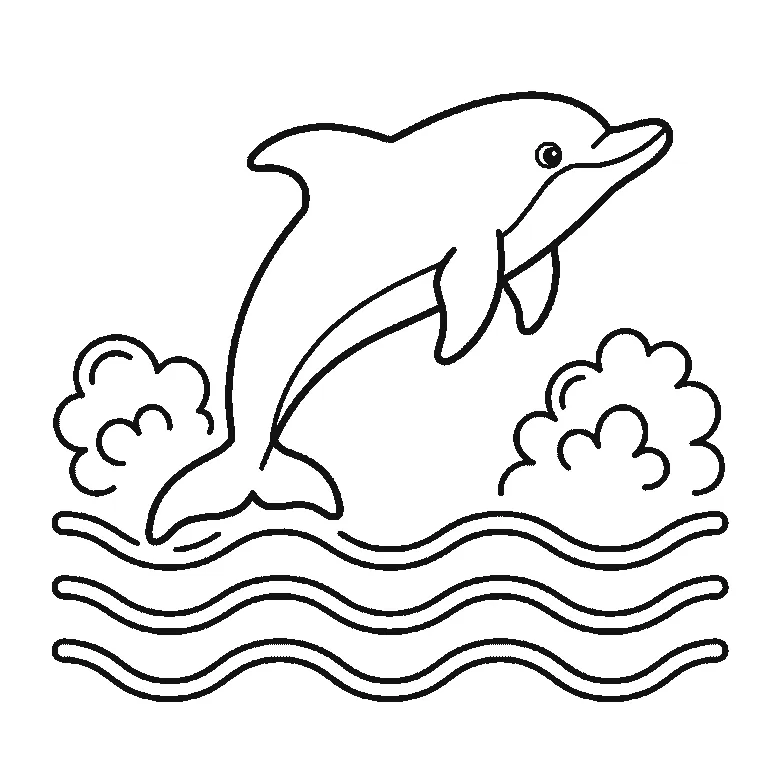
Six frames, one dolphin leaping over the waves. The whole animal in the first frame, then the waves and the splashes around it.
Step sequence made by us from a single drawing: each step keeps the lines of the one before it and adds to them.
How to draw a bee
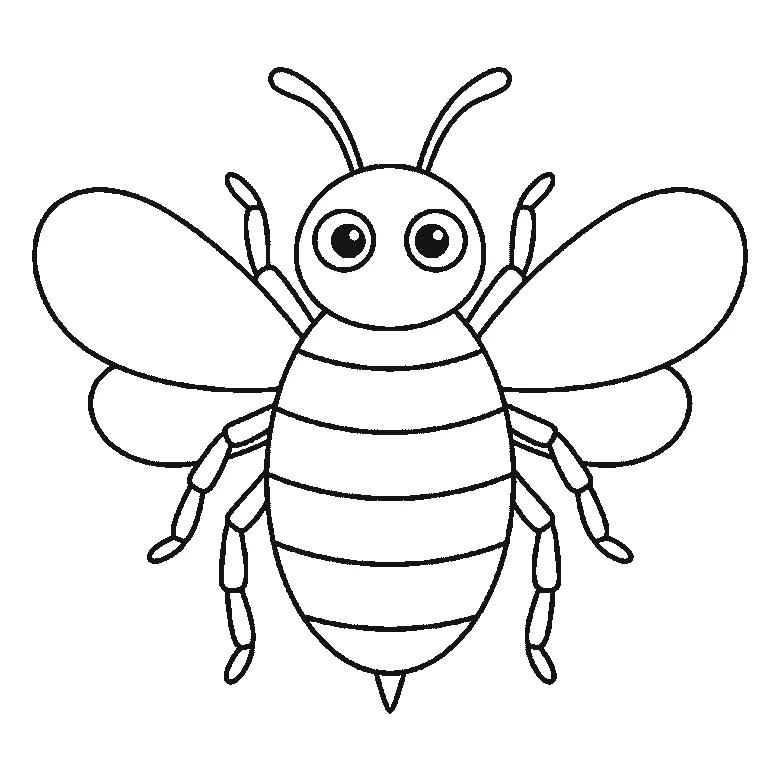
Six frames, one bumblebee seen from the front. The wings and head first, then the striped body, the legs and the antennae.
Step sequence made by us from a single drawing: each step keeps the lines of the one before it and adds to them.
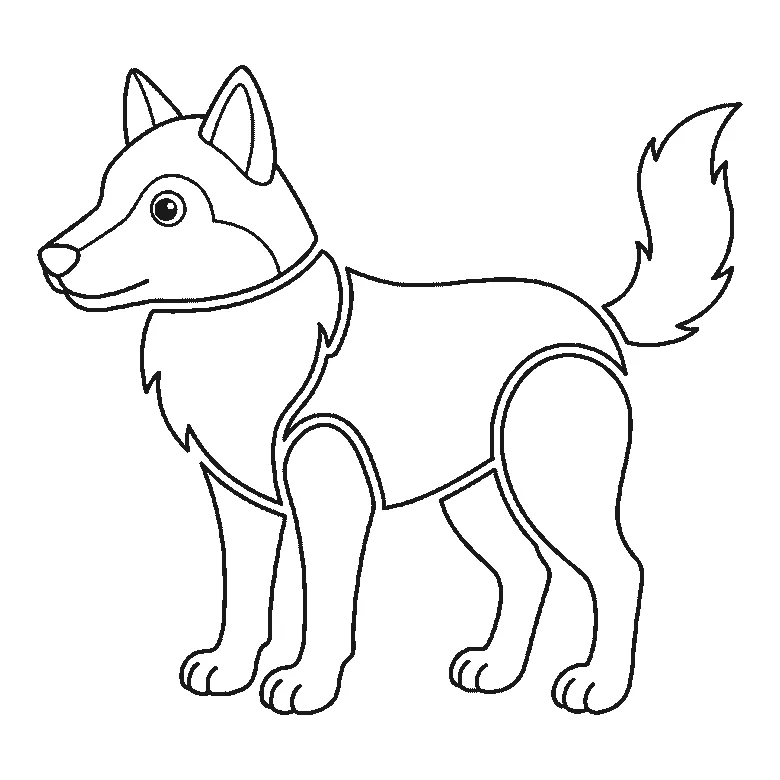
How to draw a wolf
Six frames, one wolf standing in profile. The chest ruff and a hind leg first, then the body, the head and the bushy tail.
Step sequence made by us from a single drawing: each step keeps the lines of the one before it and adds to them.
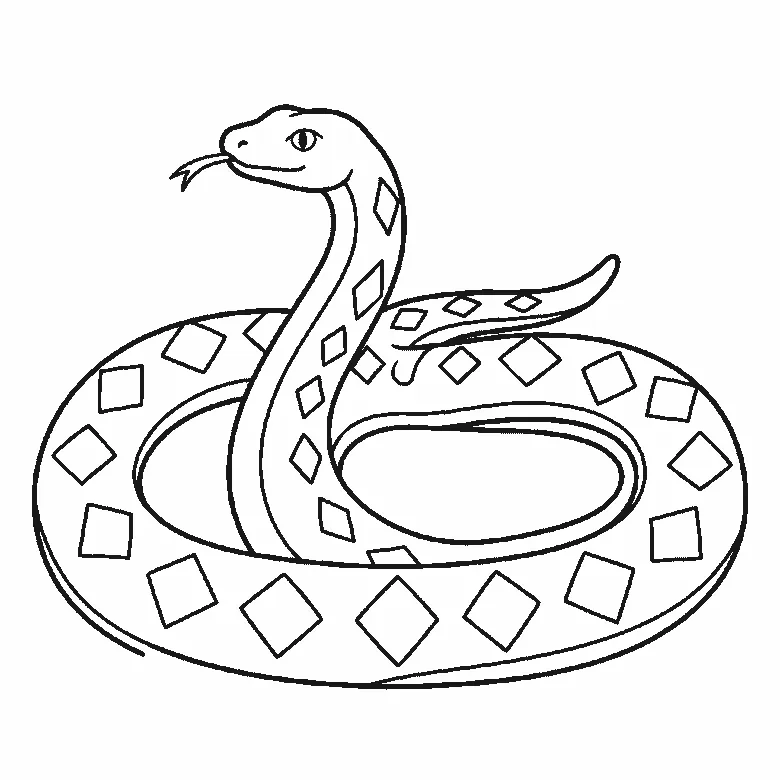
How to draw a snake
Six frames, one snake coiled in two loops with its head raised. Almost the whole coil in the first frame, then the inner edge and the diamonds.
Step sequence made by us from a single drawing: each step keeps the lines of the one before it and adds to them.
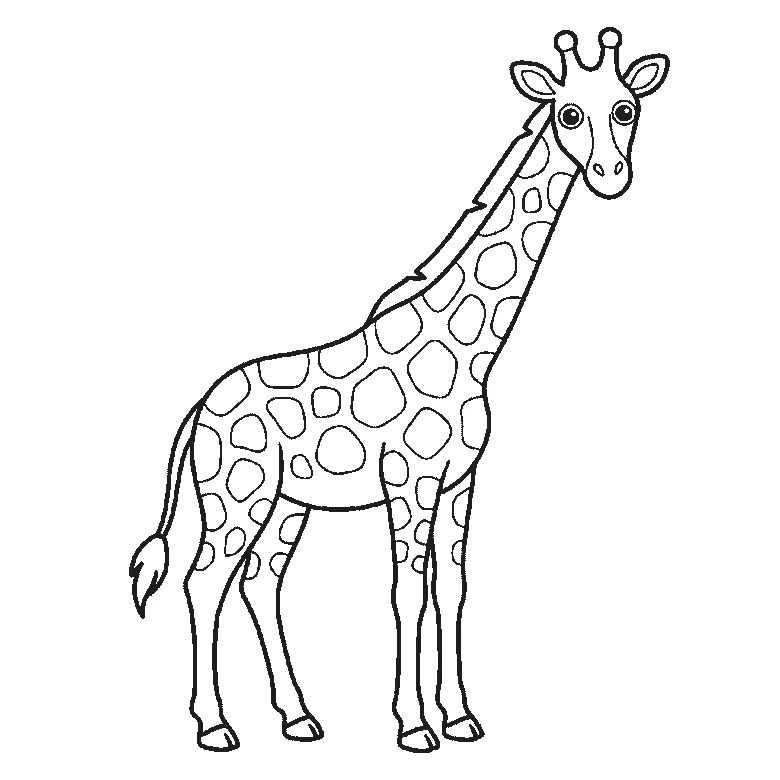
How to draw a giraffe
Six frames, one giraffe in profile with its head turned to you. Body, neck and legs first, then the coat patches and the face.
Step sequence made by us from a single drawing: each step keeps the lines of the one before it and adds to them.
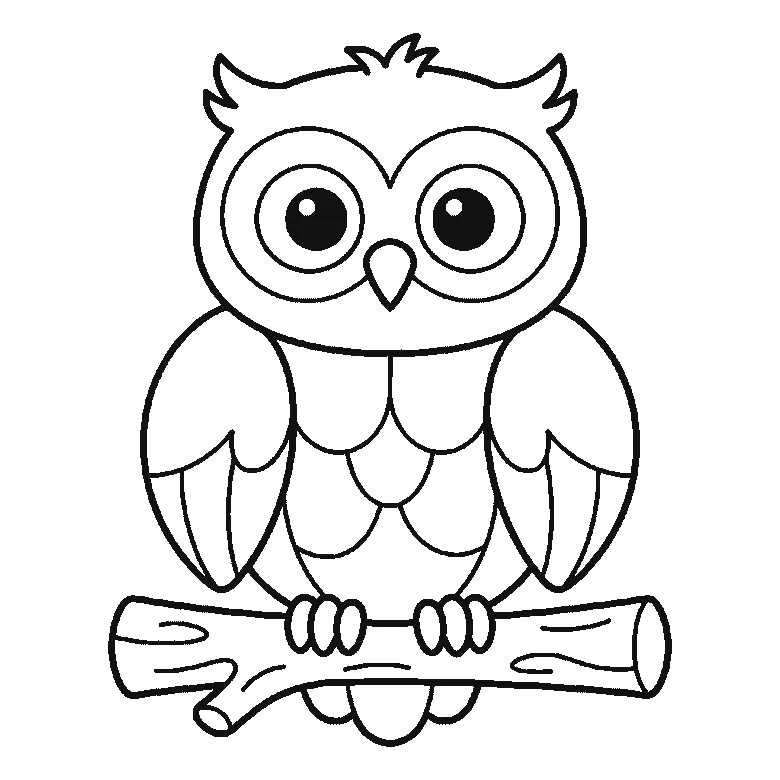
How to draw an owl
Six frames, one owl on a branch. The head and both ear tufts first, then the whole branch, then a wing at a time — and the pupils and the tail last.
Step sequence made by us from a single drawing: each step keeps the lines of the one before it and adds to them.
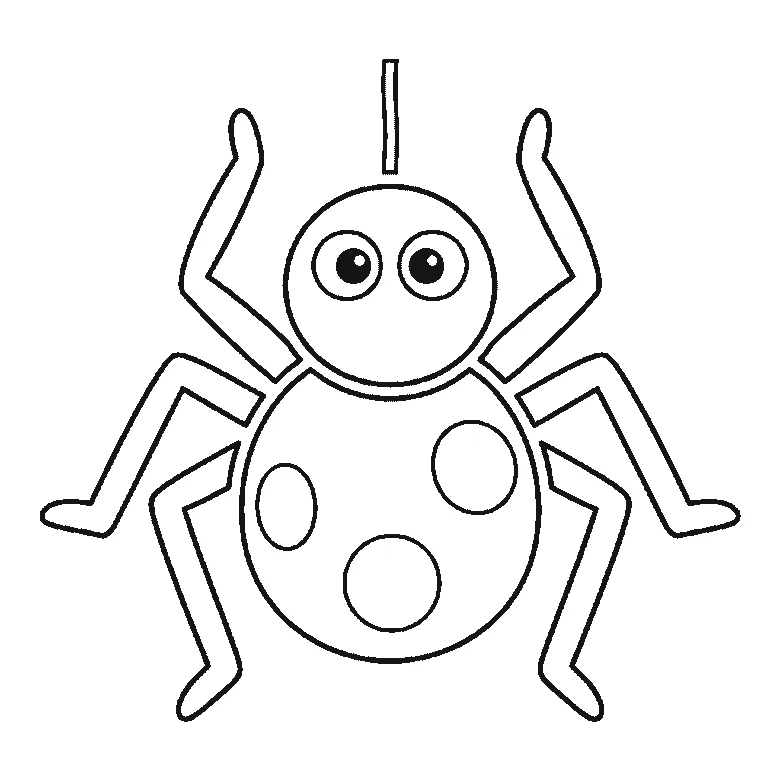
How to draw a spider
Six frames, one friendly spider. The patched round body first, then the head, then the legs two at a time — and the pupils and the thread right at the end.
Step sequence made by us from a single drawing: each step keeps the lines of the one before it and adds to them.
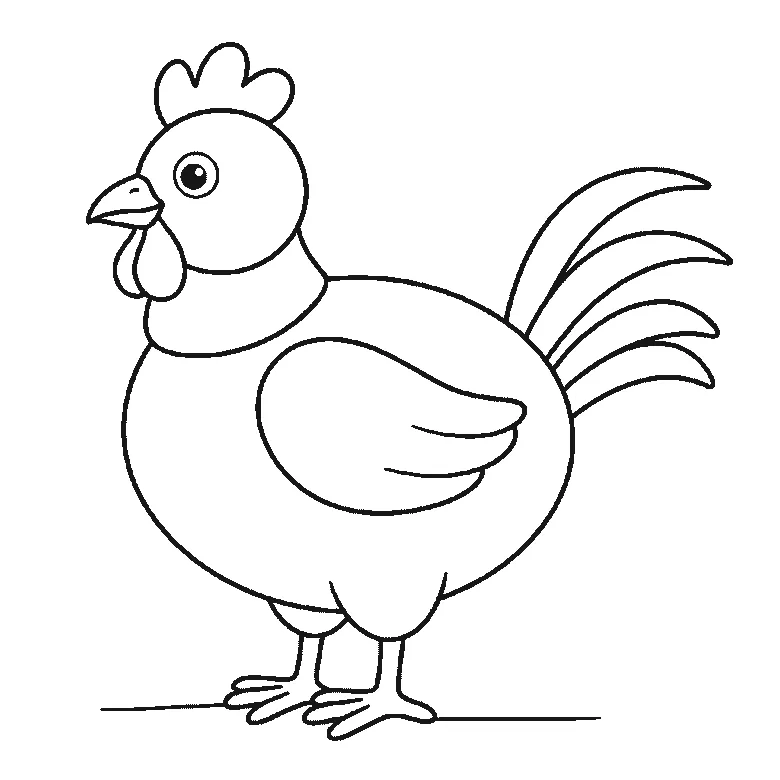
How to draw a chicken
Six frames, one plump hen standing side-on. The body first with no head at all, then the head and the folded wing, and the beak, wattle and eye right at the end.
Step sequence made by us from a single drawing: each step keeps the lines of the one before it and adds to them.
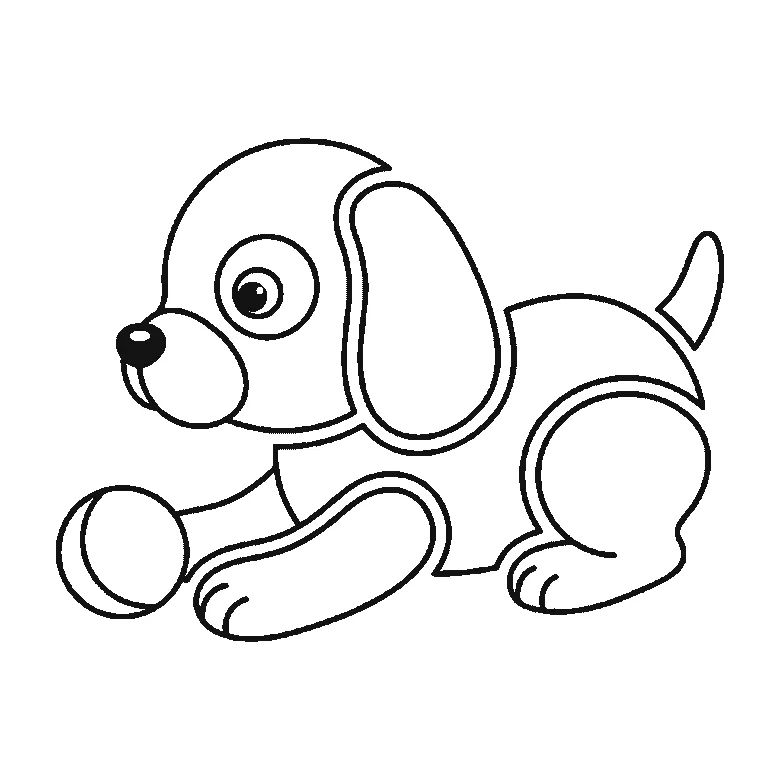
How to draw a puppy
Six frames, one round puppy lying down with a ball. The back and haunch first — no head until the second frame — and the nose, eye and tail last.
Step sequence made by us from a single drawing: each step keeps the lines of the one before it and adds to them.
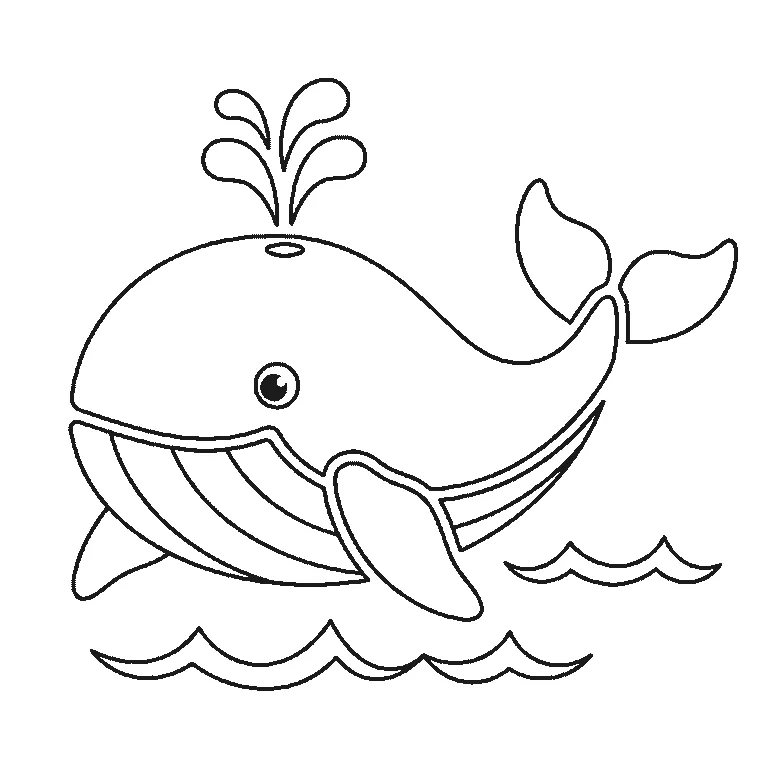
How to draw a whale
Six frames, one whale above the waves. The whole body first with the eye left blank, then the tail and the big flipper, and the spout and the filled pupil last.
Step sequence made by us from a single drawing: each step keeps the lines of the one before it and adds to them.
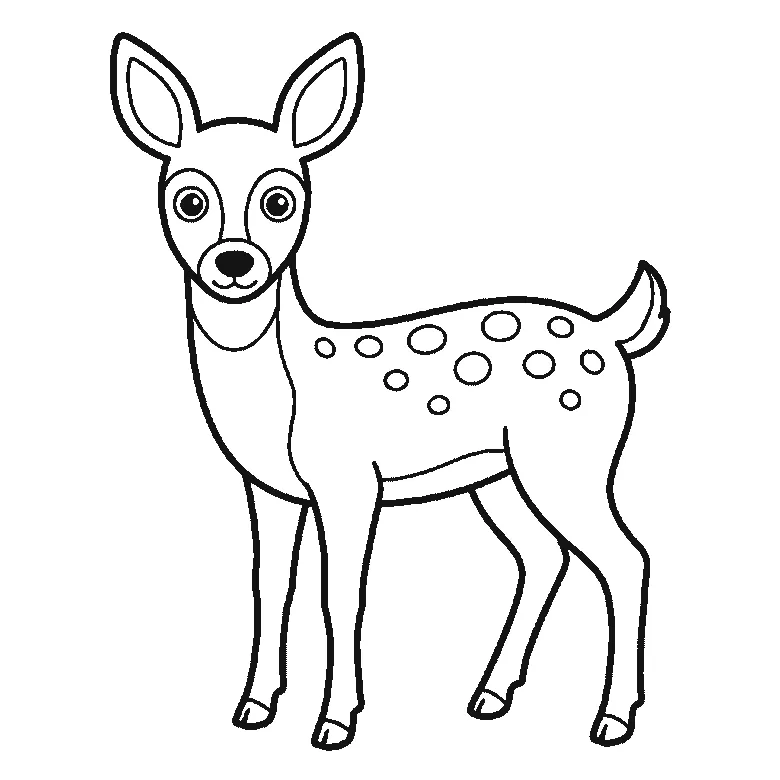
How to draw a deer
Six frames, one young deer standing side-on. The spotted body first with no head at all, then the ears — and the entire face arrives in the last frame.
Step sequence made by us from a single drawing: each step keeps the lines of the one before it and adds to them.
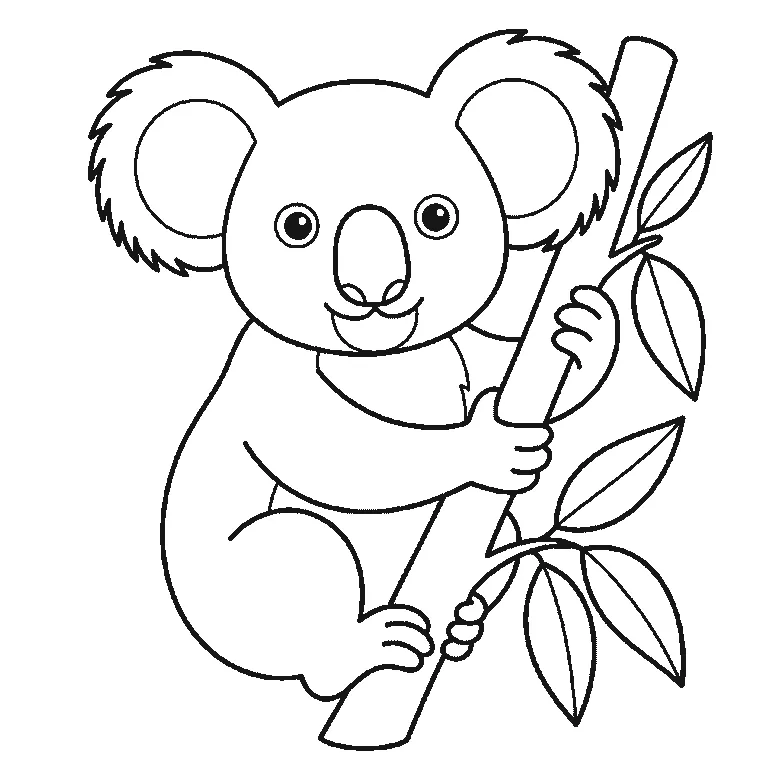
How to draw a koala
Six frames, one koala hugging a branch. The whole head and both fringed ears first, then the body, then the branch — and the eyes and the last leaves at the end.
Step sequence made by us from a single drawing: each step keeps the lines of the one before it and adds to them.


