
PDF · A4 · 80 KB · Free, no sign-up. For home and classroom use.
How to draw a snake
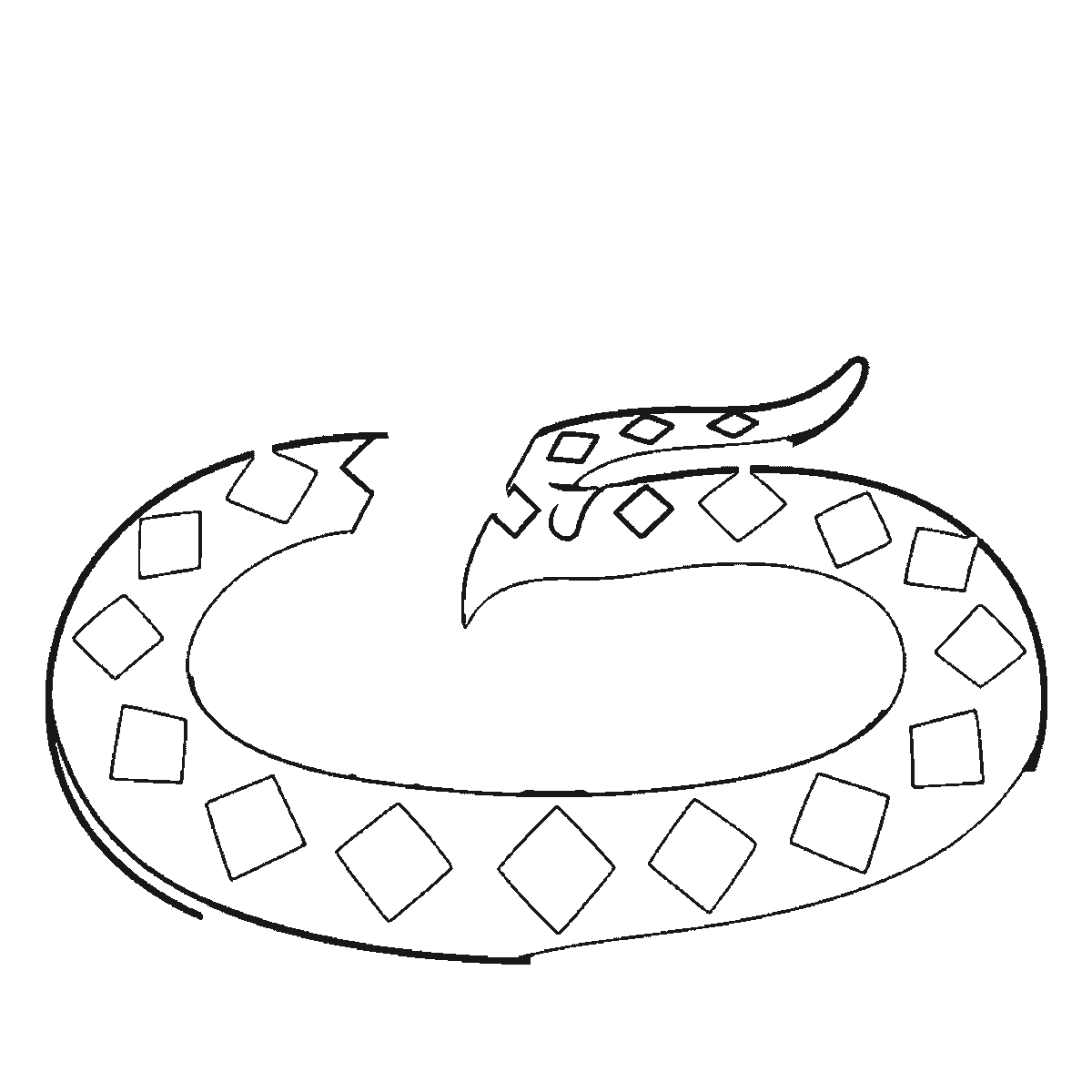
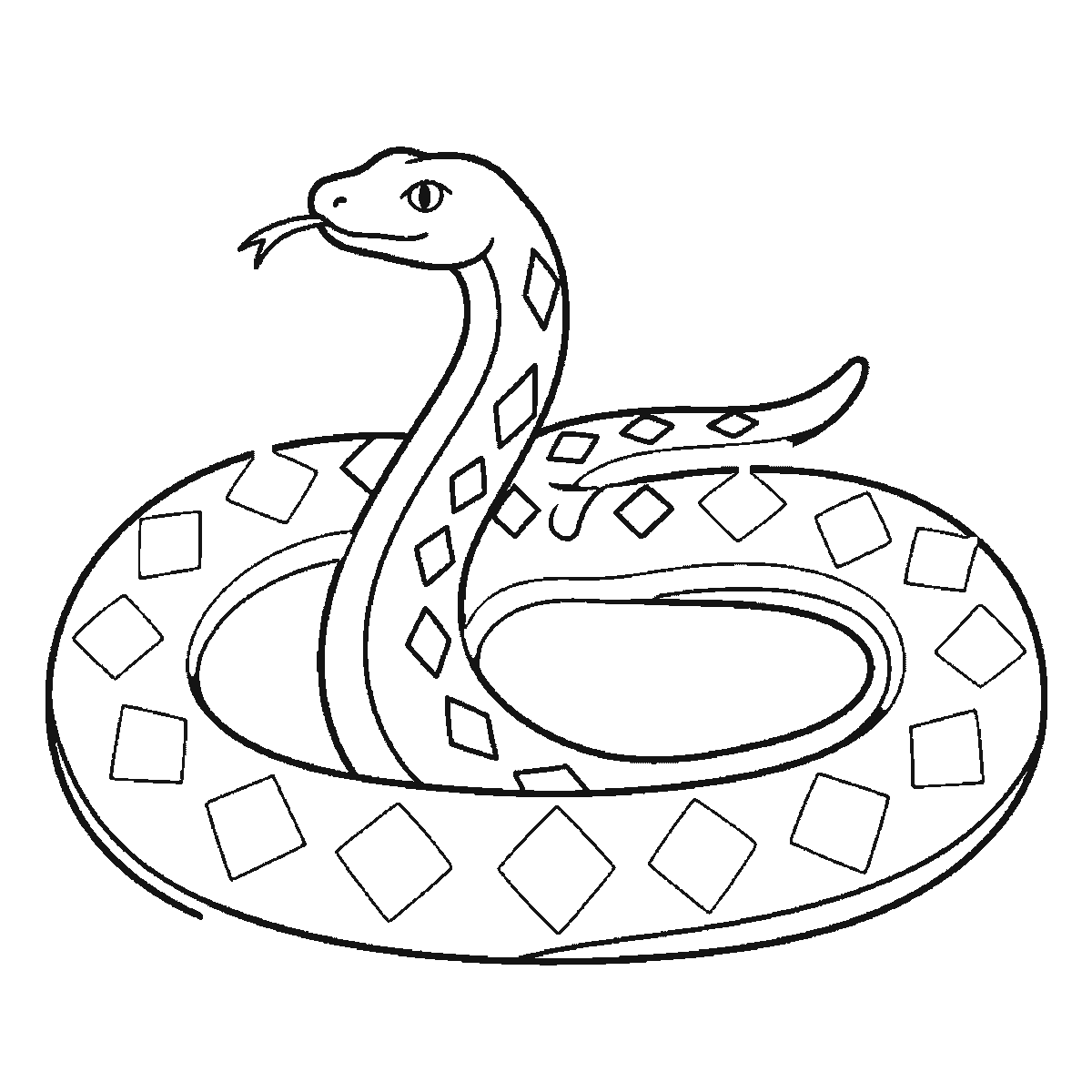
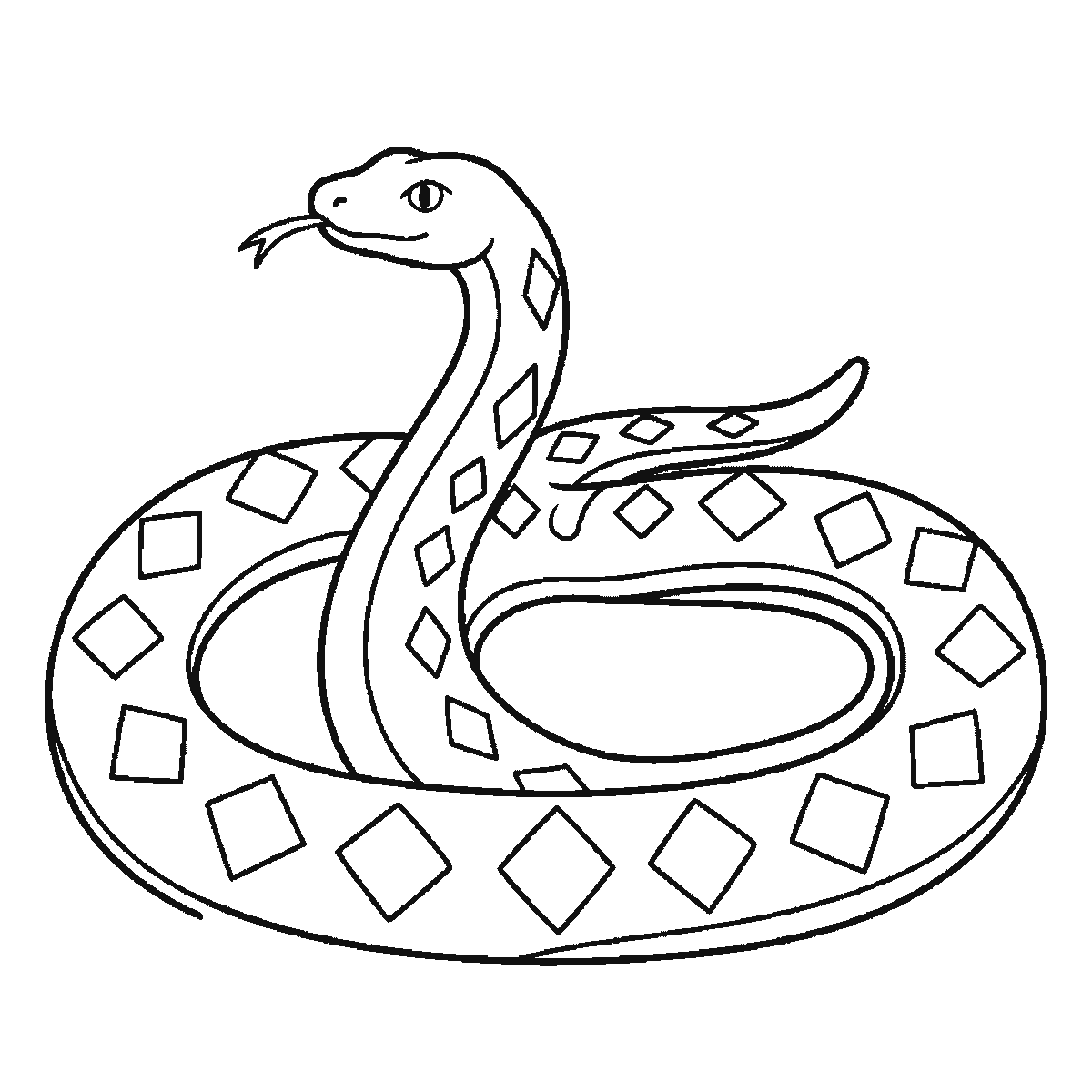
Six frames, one snake coiled in two loops with its head raised. Almost the whole coil in the first frame, then the inner edge and the diamonds.
A snake is the one animal on this site with no legs, no ears and nothing to get out of proportion, which sounds like it ought to make it easy. It does not. What replaces all those problems is a single much harder one: the body has to pass over and under itself convincingly, and a coil that does not do that reads as a piece of rope somebody dropped.
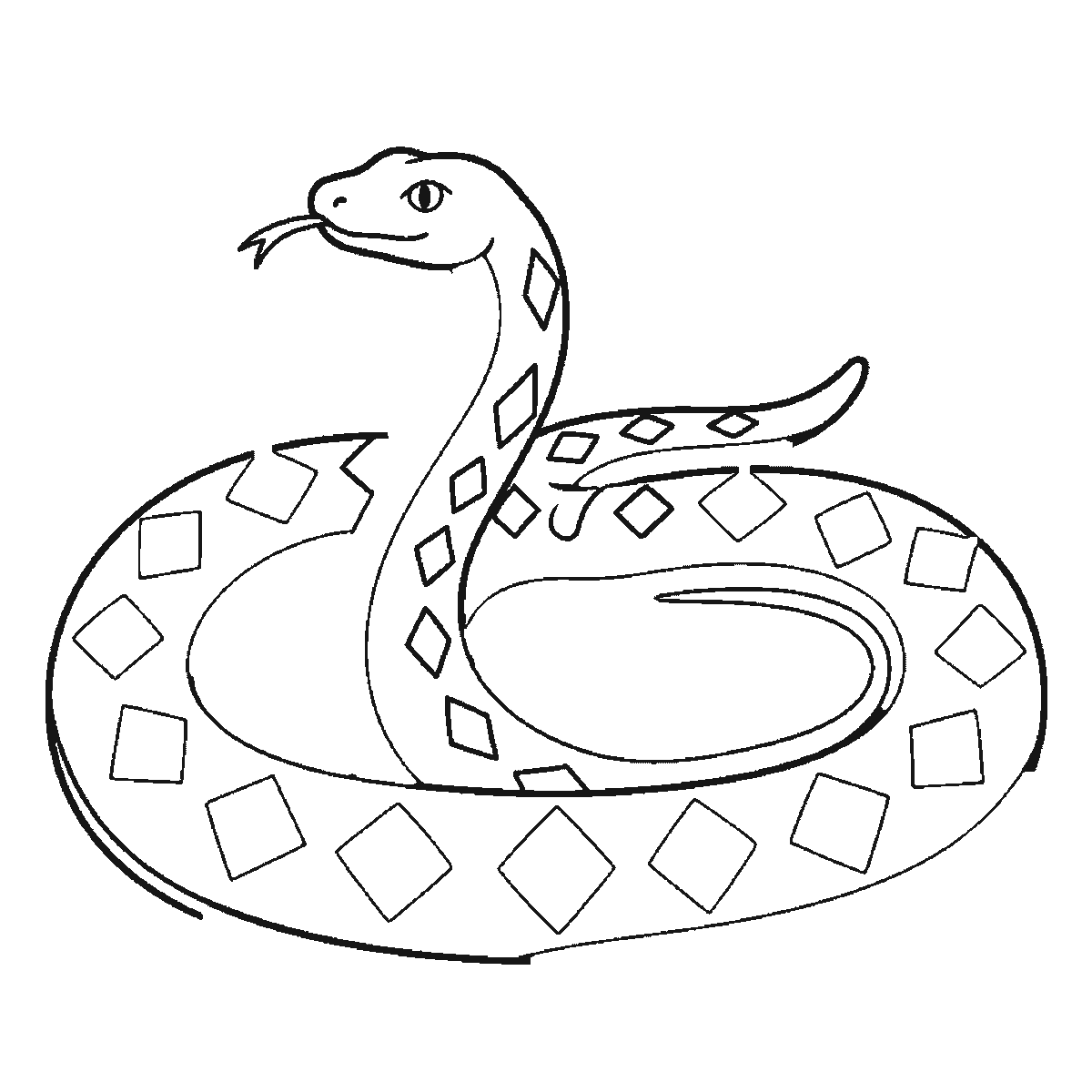
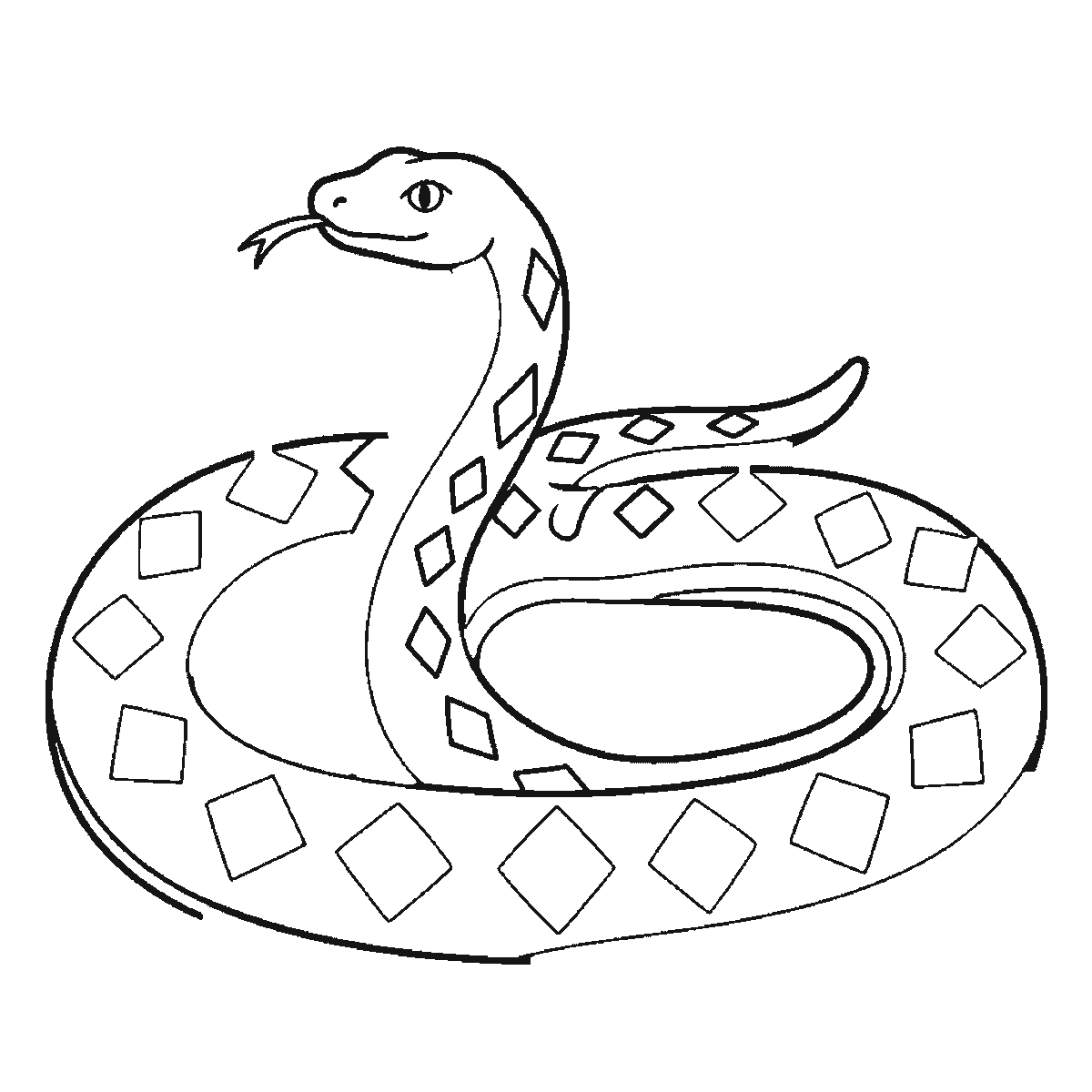
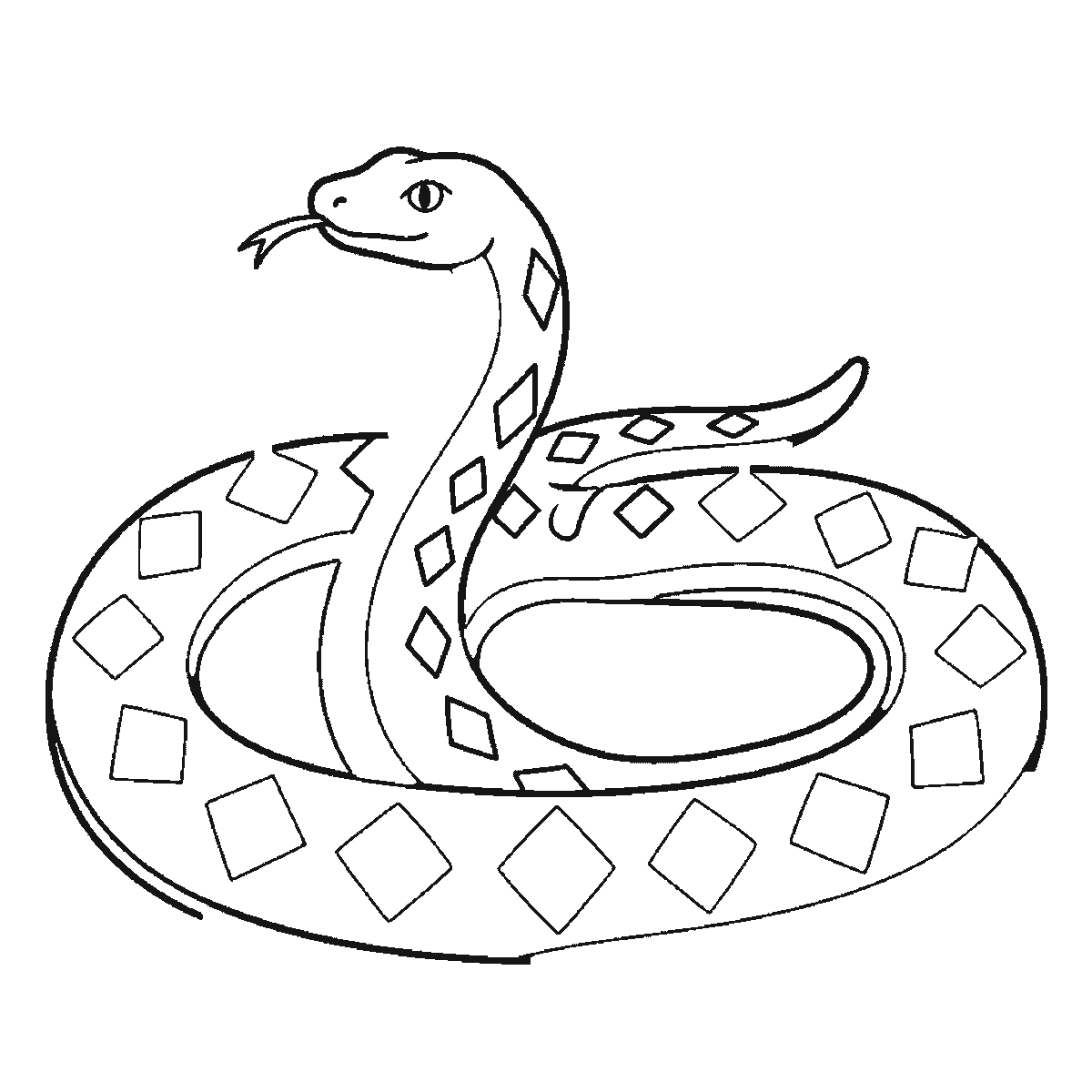
This sheet is the weakest sequence on the site and it is worth saying so plainly: frame one already carries the coil, the head, the tongue and most of the diamond markings, and the five frames after it close the inner edge of the loop and fill in a few more diamonds. That is what happens when a drawing is one continuous body — there is no second large shape to hold back. Treat frame one as the drawing and the rest as detailing, and take it slowly.
Draw the outer loop as a band with two edges rather than a single line, because the whole picture depends on the body having thickness. Then the crossing, which is the moment the drawing is won or lost: where the body passes behind, stop both edges cleanly at the front loop's outline and start them again on the far side; where it passes in front, run both edges straight through. Get one of those backwards and the snake ties itself in a knot no real animal could untangle. The sheet closes that inner edge for you in frame two, which is the one genuinely useful step it has.
Keep the body a consistent thickness through the coils, tapering only near the very end of the tail. A snake that fattens and thins as it goes round looks like it has swallowed something, which is a fine drawing but a different one.
The head rises from one end of the coil on a raised section of neck, and it is the part that gives the animal its character. Draw it as a rounded wedge, wider than the neck, with a blunt snout. That widening behind the jaw is what makes a head look like a head rather than a thickening of the body.
One eye, because the head is in profile, and it should be small and almond-shaped rather than round. The almond is what makes a snake's expression, and it is the difference between something watchful and something startled. Set it high on the head, well forward.
The tongue is short, forked and flicked out from the front of the mouth. Two thin lines meeting in a shallow V, angled slightly downwards. It takes four seconds and it is the single detail that most reliably tells a viewer this is a snake rather than an eel or a worm.
The markings arrive in the later frames as a row of large diamonds running the length of the body, and they follow the same rule that stripes on a fish and plates on a shell follow: they must sit on the curve of the body rather than lie flat on the page. A diamond on the near side of a coil is drawn nearly square; one near the edge of the body is squashed narrow. Getting that compression right is what makes the coil look round.
Vary the diamonds slightly in size and spacing rather than stamping them out identically. Regularly repeated identical shapes read as wallpaper, and the moment a viewer sees a pattern rather than an animal the drawing has stopped working.
The six frames run from the biggest closed shape to the smallest, and on this drawing that produces one large step and five small ones rather than six even stages. It is a description of how the sheet was built, not a rule about how snakes should be drawn. Starting at the head and letting the body find its own way round the page is how a great many people draw this animal, and it produces a livelier coil than any planned one.
Before you start
- Draw the body as a band with two edges, never a single line.
- At every crossing, decide which part passes in front and stop the other edges cleanly at the outline.
- Make the eye almond-shaped rather than round — it is the whole expression.
- Squash the diamonds as they approach the edge of the body so the coil reads as round.
Published Updated 674 words
The six steps
The steps go from the largest shape to the smallest, which is an easy order to copy. It is not the only order, and it is not a rule — if you would rather start somewhere else on the sheet, do.
Step 1
Step 2
Step 3
Step 4
Step 5
Step 6
More in this section
How to draw a giraffe
Six frames, one giraffe in profile with its head turned to you. Body, neck and legs first, then the coat patches and the face.
Step sequence made by us from a single drawing: each step keeps the lines of the one before it and adds to them.
How to draw an owl
Six frames, one owl on a branch. The head and both ear tufts first, then the whole branch, then a wing at a time — and the pupils and the tail last.
Step sequence made by us from a single drawing: each step keeps the lines of the one before it and adds to them.
How to draw a spider
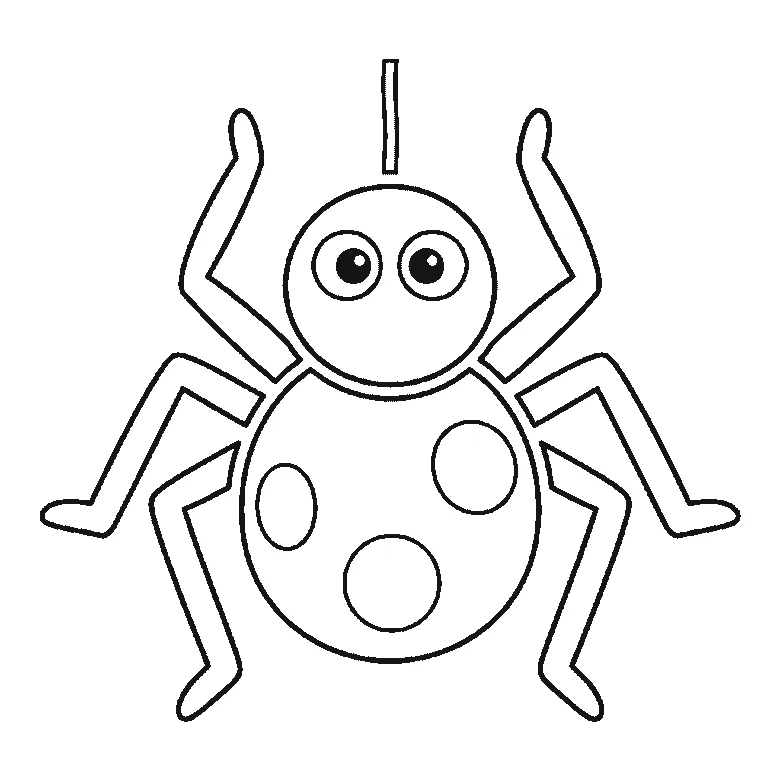
Six frames, one friendly spider. The patched round body first, then the head, then the legs two at a time — and the pupils and the thread right at the end.
Step sequence made by us from a single drawing: each step keeps the lines of the one before it and adds to them.
How to draw a chicken
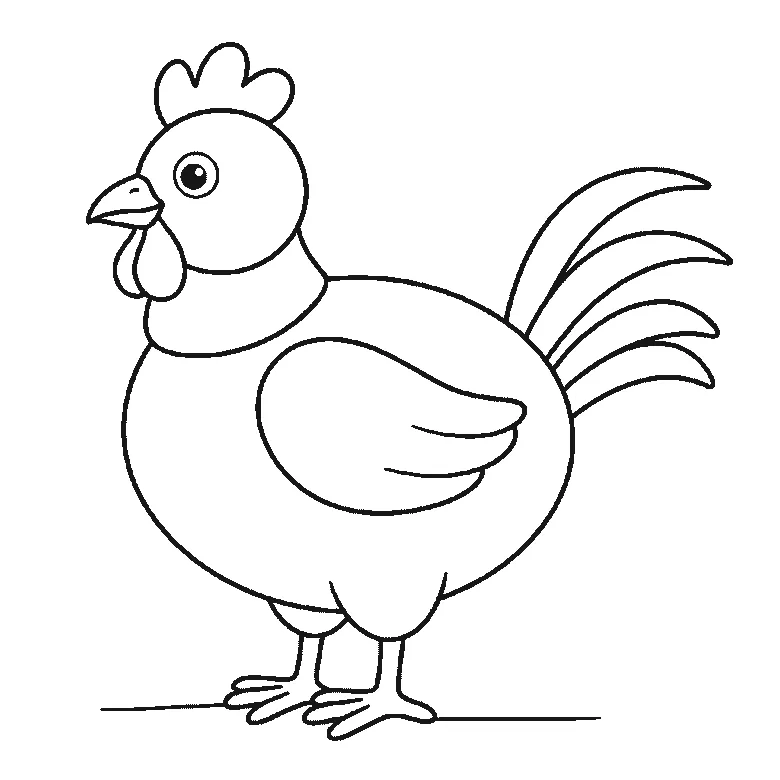
Six frames, one plump hen standing side-on. The body first with no head at all, then the head and the folded wing, and the beak, wattle and eye right at the end.
Step sequence made by us from a single drawing: each step keeps the lines of the one before it and adds to them.
How to draw a puppy
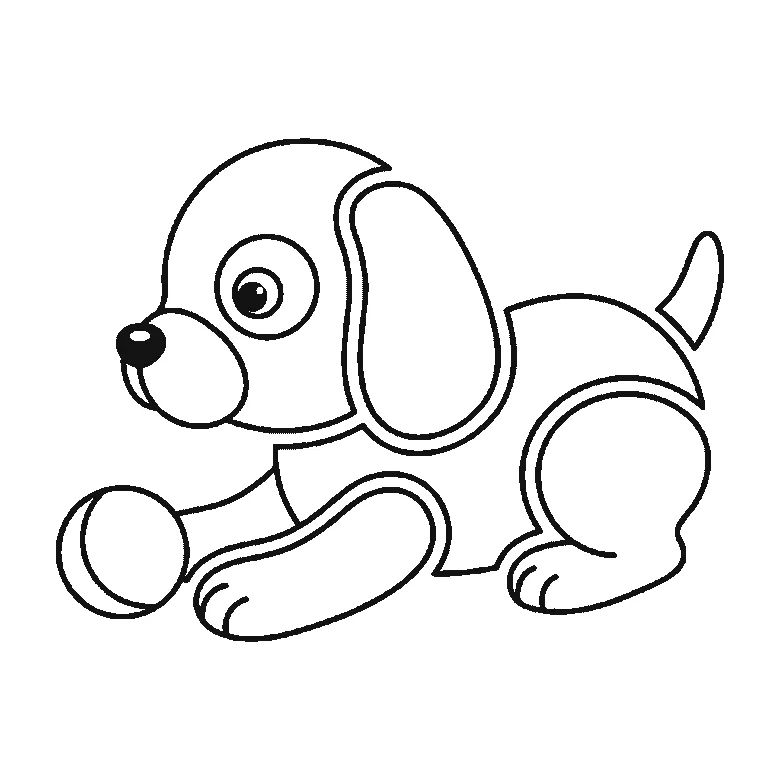
Six frames, one round puppy lying down with a ball. The back and haunch first — no head until the second frame — and the nose, eye and tail last.
Step sequence made by us from a single drawing: each step keeps the lines of the one before it and adds to them.
How to draw a whale
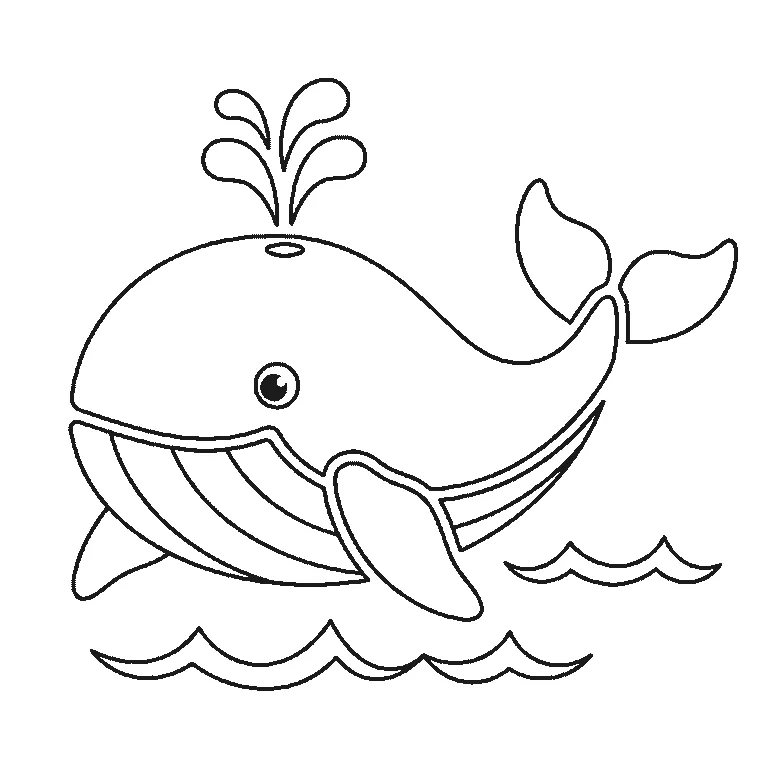
Six frames, one whale above the waves. The whole body first with the eye left blank, then the tail and the big flipper, and the spout and the filled pupil last.
Step sequence made by us from a single drawing: each step keeps the lines of the one before it and adds to them.
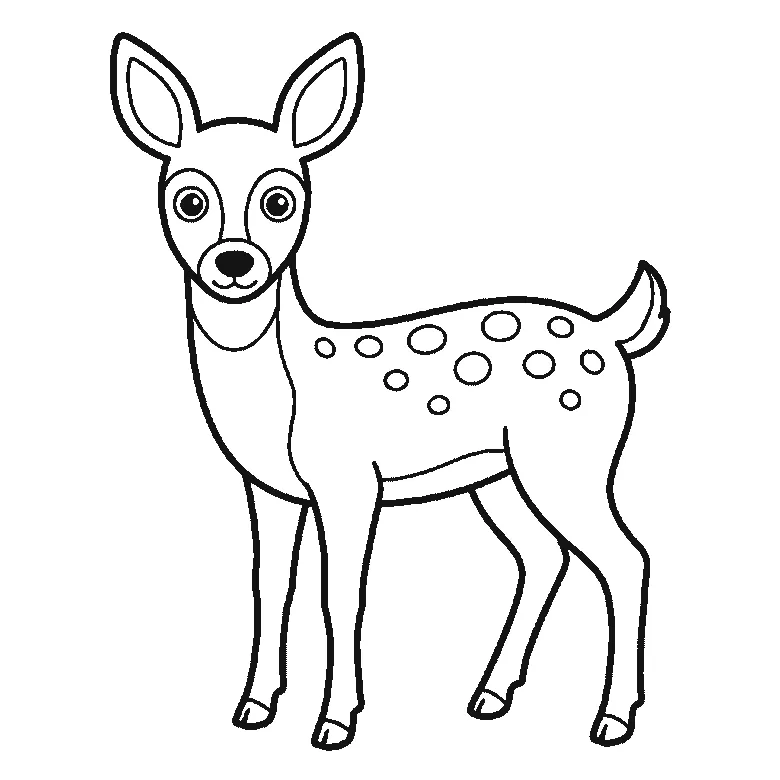
How to draw a deer
Six frames, one young deer standing side-on. The spotted body first with no head at all, then the ears — and the entire face arrives in the last frame.
Step sequence made by us from a single drawing: each step keeps the lines of the one before it and adds to them.
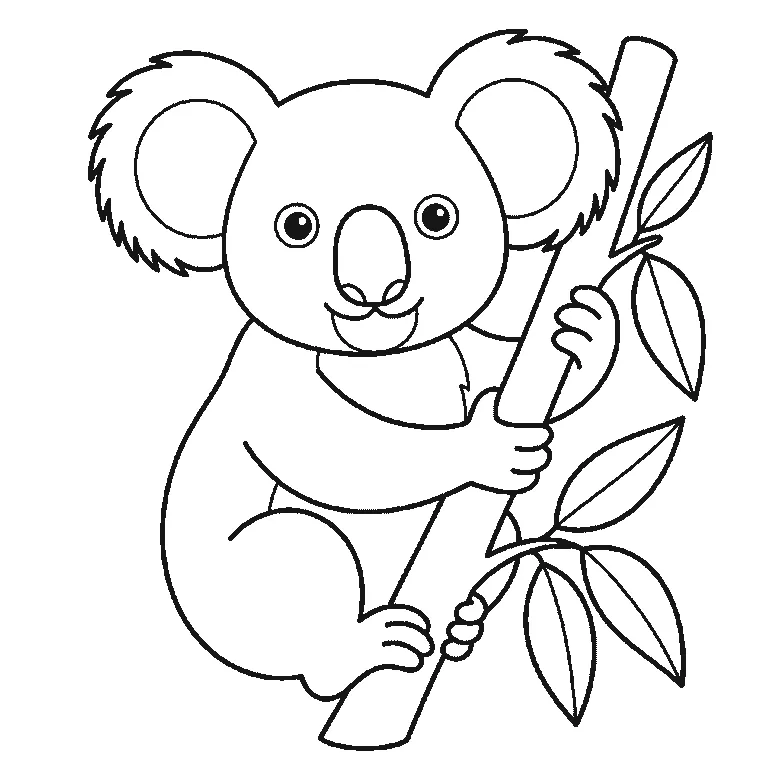
How to draw a koala
Six frames, one koala hugging a branch. The whole head and both fringed ears first, then the body, then the branch — and the eyes and the last leaves at the end.
Step sequence made by us from a single drawing: each step keeps the lines of the one before it and adds to them.
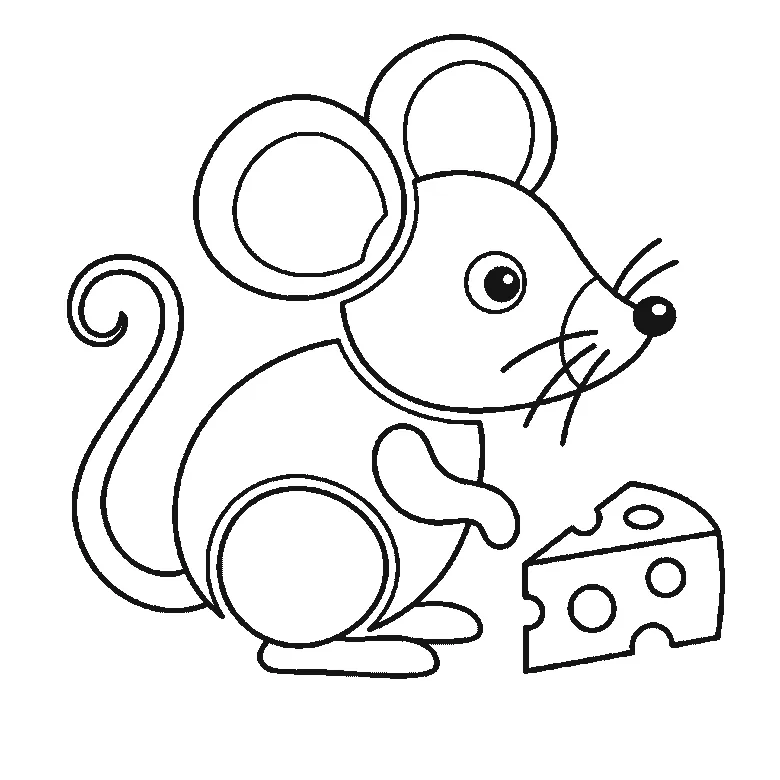
How to draw a mouse
Six frames, one mouse beside a wedge of cheese. The head and the back together first, then the ears, then the cheese — with the tail, whiskers and eye last.
Step sequence made by us from a single drawing: each step keeps the lines of the one before it and adds to them.
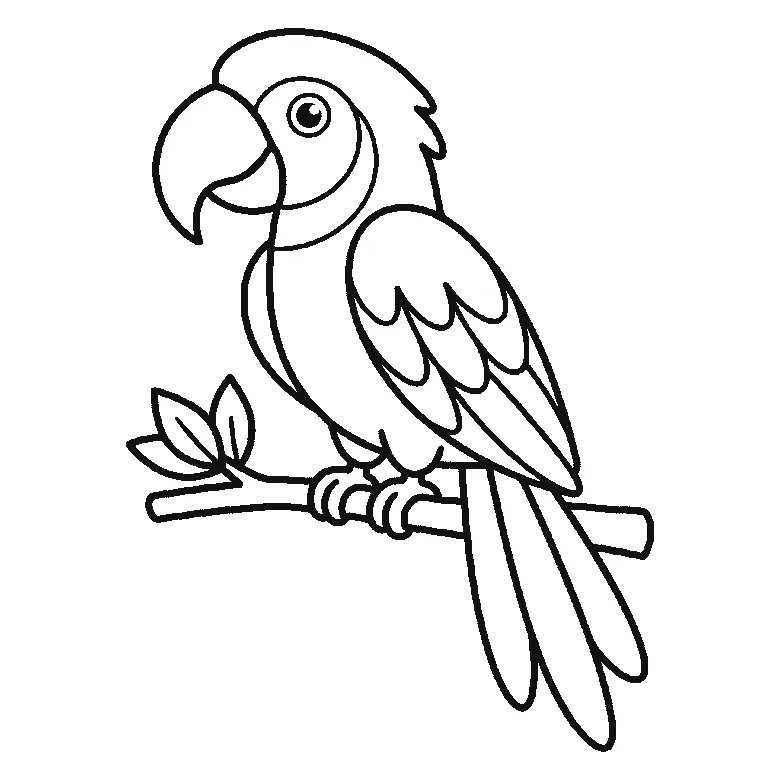
How to draw a parrot
Six frames, one parrot on a leafy branch. The head crest and the breast first, then the beak with the wing, and the eye and the gripping feet last.
Step sequence made by us from a single drawing: each step keeps the lines of the one before it and adds to them.
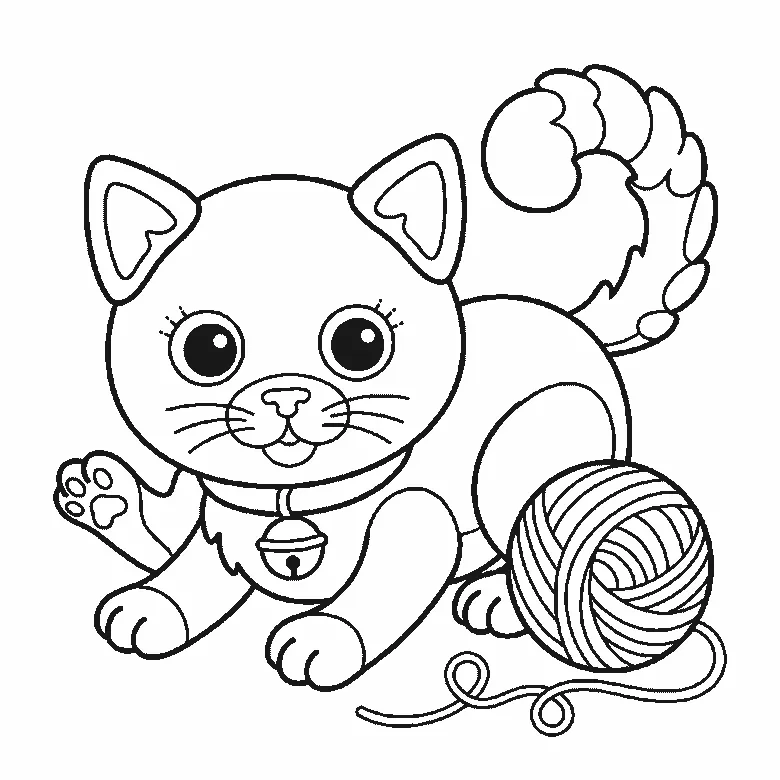
How to draw a kitten
Six frames, one kitten crouching over a ball of wool. The head and collar first, the ears one at a time after it, and the filled pupils near the end.
Step sequence made by us from a single drawing: each step keeps the lines of the one before it and adds to them.
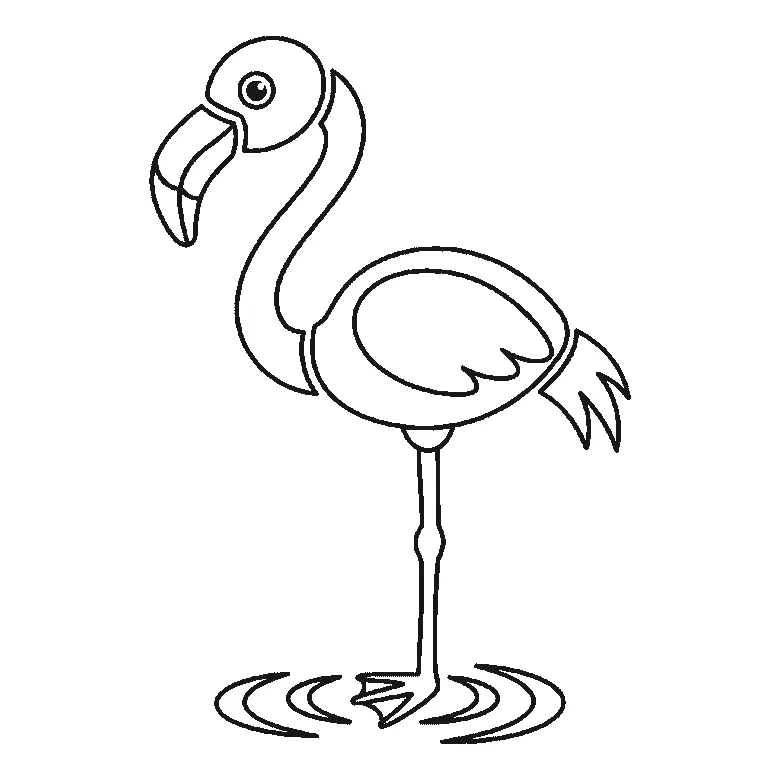
How to draw a flamingo
Six frames, one flamingo standing in shallow water. The body first, the neck second, and the beak — the thing that says flamingo — not until frame five.
Step sequence made by us from a single drawing: each step keeps the lines of the one before it and adds to them.


