
PDF · A4 · 43 KB · Free, no sign-up. For home and classroom use.
How to draw a sunflower
Six frames, one tall sunflower with two leaves and a bud. The seed head and one leaf first — and no petals at all until frame three.
This sheet takes one drawing of a single sunflower and shows it six times, each frame carrying everything the frame before it had and adding a little more. Print it, put it beside your paper, and copy one frame at a time.
Frame one is the seed head — both its circles, the outer ring and the inner disc — and the right-hand leaf. There are no petals at all. That is worth knowing before you begin, because a sunflower is a flower people picture as petals first, and this sheet asks you to settle the middle before drawing a single one. It is also, as it happens, exactly the advice most drawing teachers give for any daisy-shaped flower: the ring of petals is only as good as the circle they radiate from.
Frame two is the stem, drawn full length as a band with a real thickness rather than as a line, together with the left-hand leaf and the short side stem the bud will eventually sit on. By the end of frame two you have a flower head with no petals on a complete plant, which looks strange and is the correct halfway point.
The petals arrive across the last four frames, a few at a time and not in order around the circle: three in frame three, then five, then five more, and the last of them at the top in frame six. They are long pointed shapes, each drawn as its own closed outline with a visible gap from its neighbours, and the ring of them is what makes the flower. Because they arrive in scattered groups rather than sweeping round, the middle frames look lopsided — that is the sheet's ordering, not a mistake in the drawing.
The bud is the very last thing on the page, a small ball on its own short stem to the right. It is the sort of detail that is easy to leave off and worth keeping, because it is what stops the drawing being a single symmetrical object floating on a page.
For proportion, the seed head should be about a third of the width of the whole flower including its petals, and the petals should be roughly as long as the seed head is wide. Beginners draw the centre too small and the petals too short, which produces a daisy. The other thing that matters is the gaps: leave clear white between neighbouring petals rather than letting them touch, because it is the gaps that make a ring of petals read as separate leaves rather than as a cog.
The six frames are ordered by which closed shape is largest, biggest first and smallest last. That is why the seed head comes before the petals, and it is not a claim about the right way to draw a flower. If you would rather draw the ring of petals first and put a circle in the middle, the finished drawing is the same drawing.
The download is one A4 page with all six frames on it, so a class can work from one sheet each. It is a plain black outline on white and prints on any printer. This is the easiest sheet here to colour well: the petals take a flat yellow, the centre takes brown, and because every petal is a separate closed shape none of them run into each other.
Before you start
- Draw both circles of the seed head first and lightly. Every petal is measured off that outer circle, so a wobbly one spoils all of them.
- Space the petals by putting one at the top, one at the bottom and one at each side first, then filling the gaps. Working round the circle from a single starting point always runs out of room.
- Leave white between neighbouring petals. Petals that touch turn the flower into a gear wheel.
- Draw the stem as two lines with a gap between them, as the sheet does. A single-stroke stem cannot carry a flower head that size.
Published Updated 565 words
The six steps
The steps go from the largest shape to the smallest, which is an easy order to copy. It is not the only order, and it is not a rule — if you would rather start somewhere else on the sheet, do.
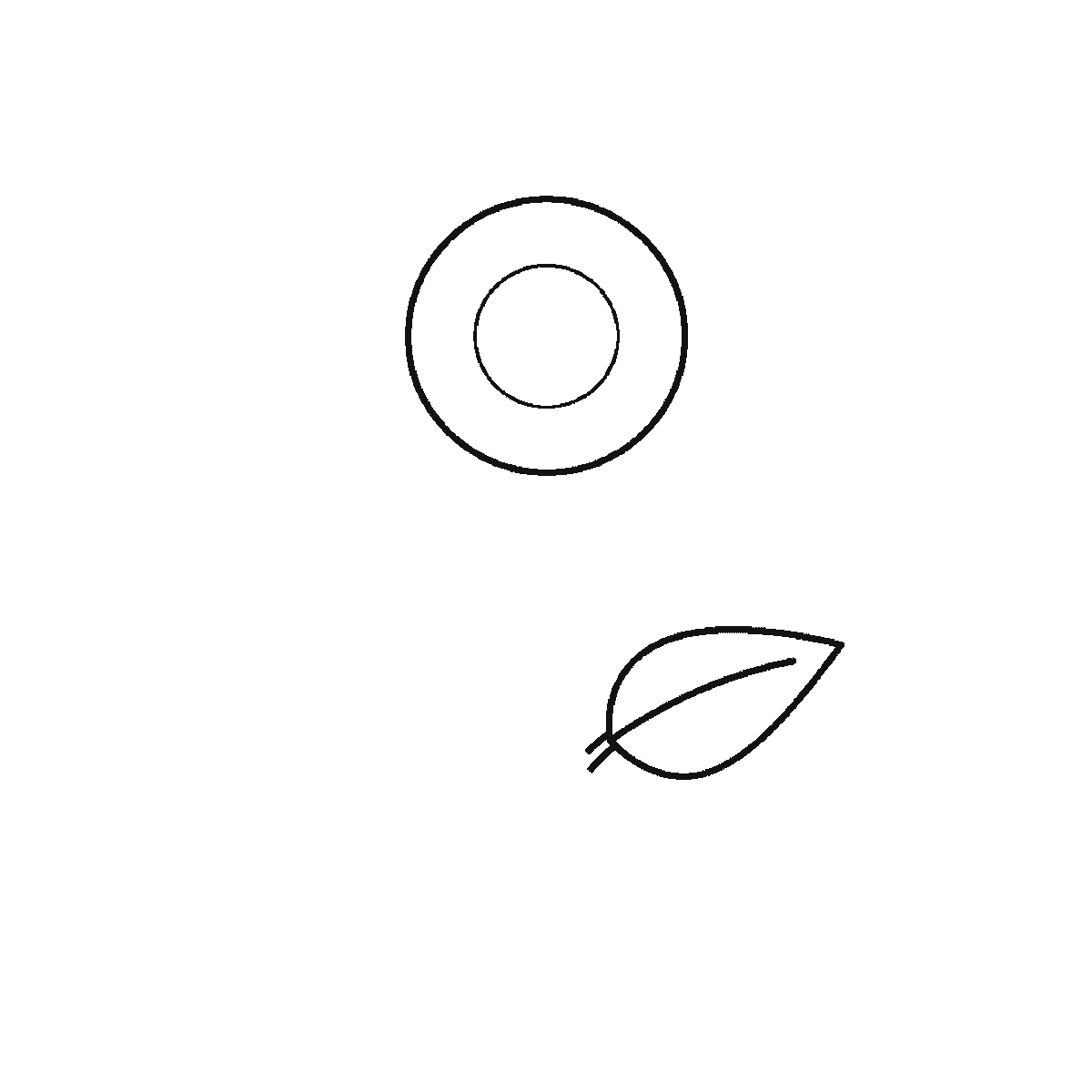
Step 1
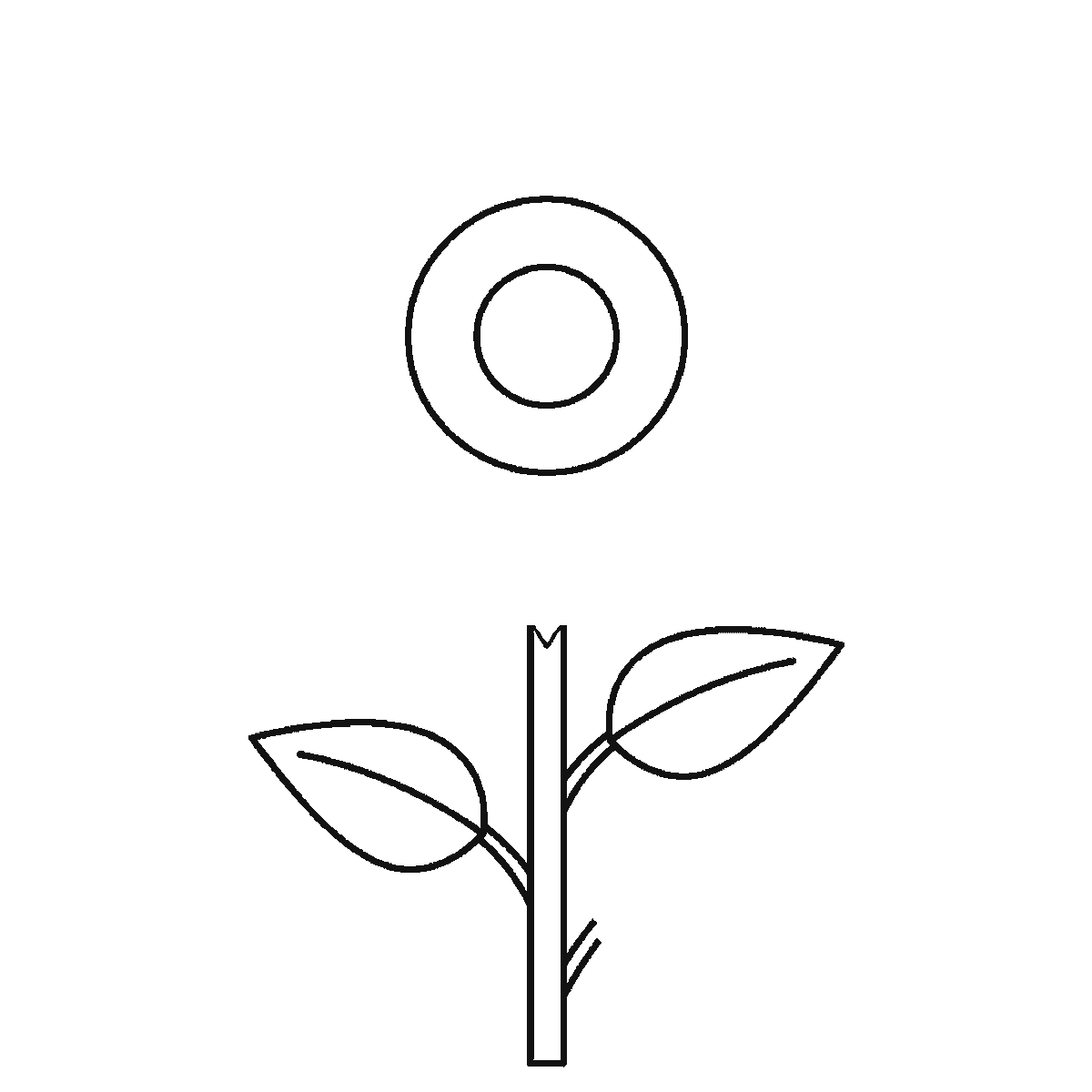
Step 2
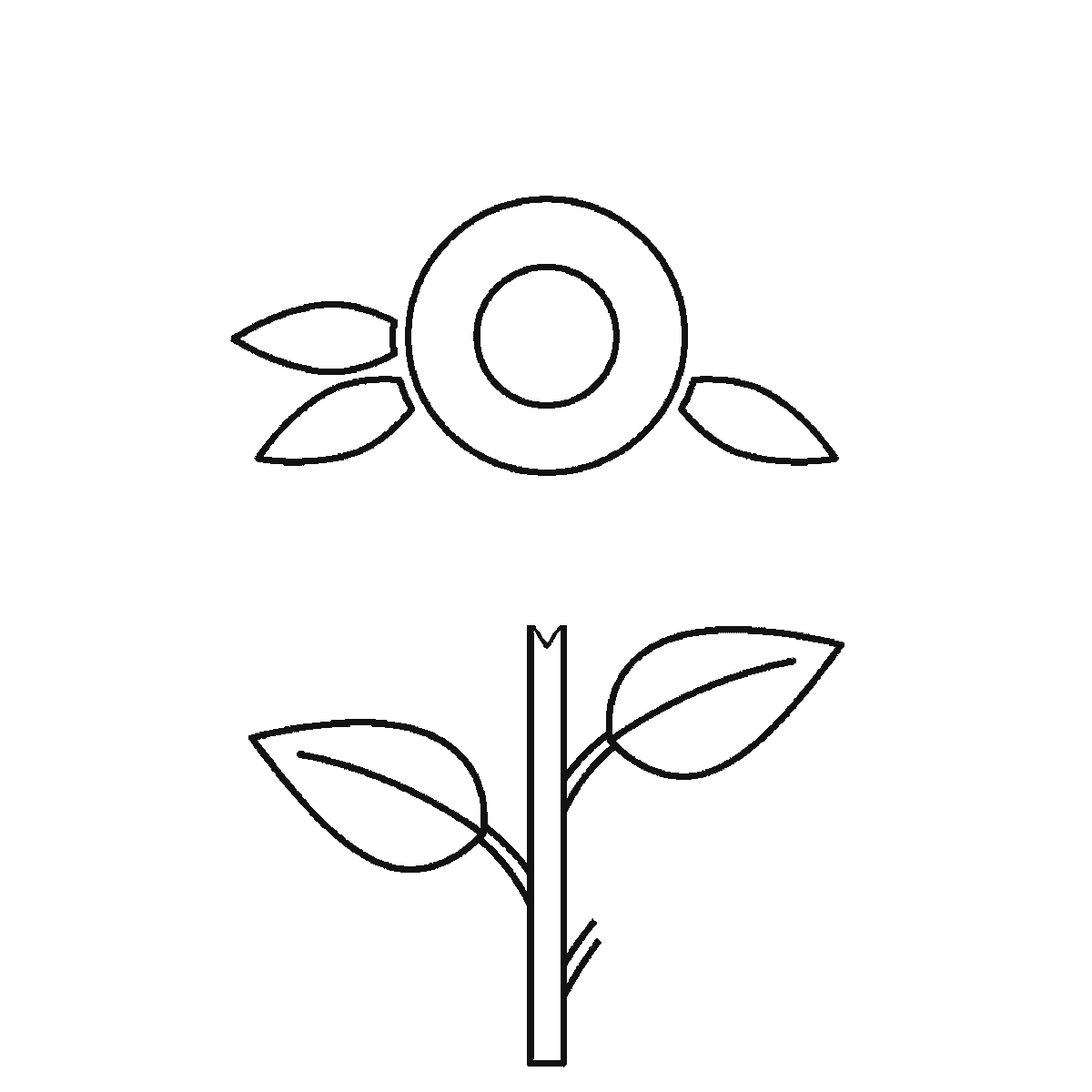
Step 3
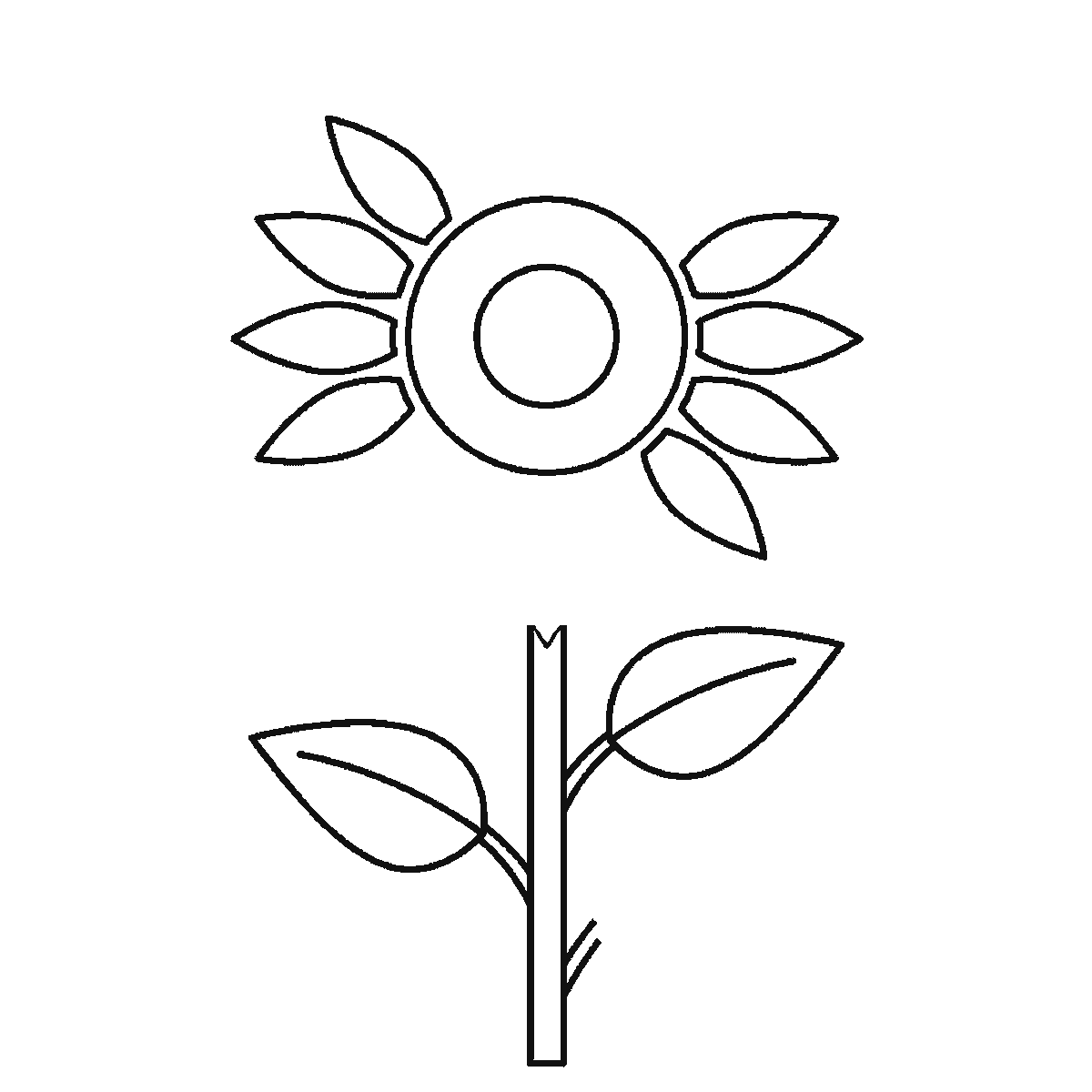
Step 4
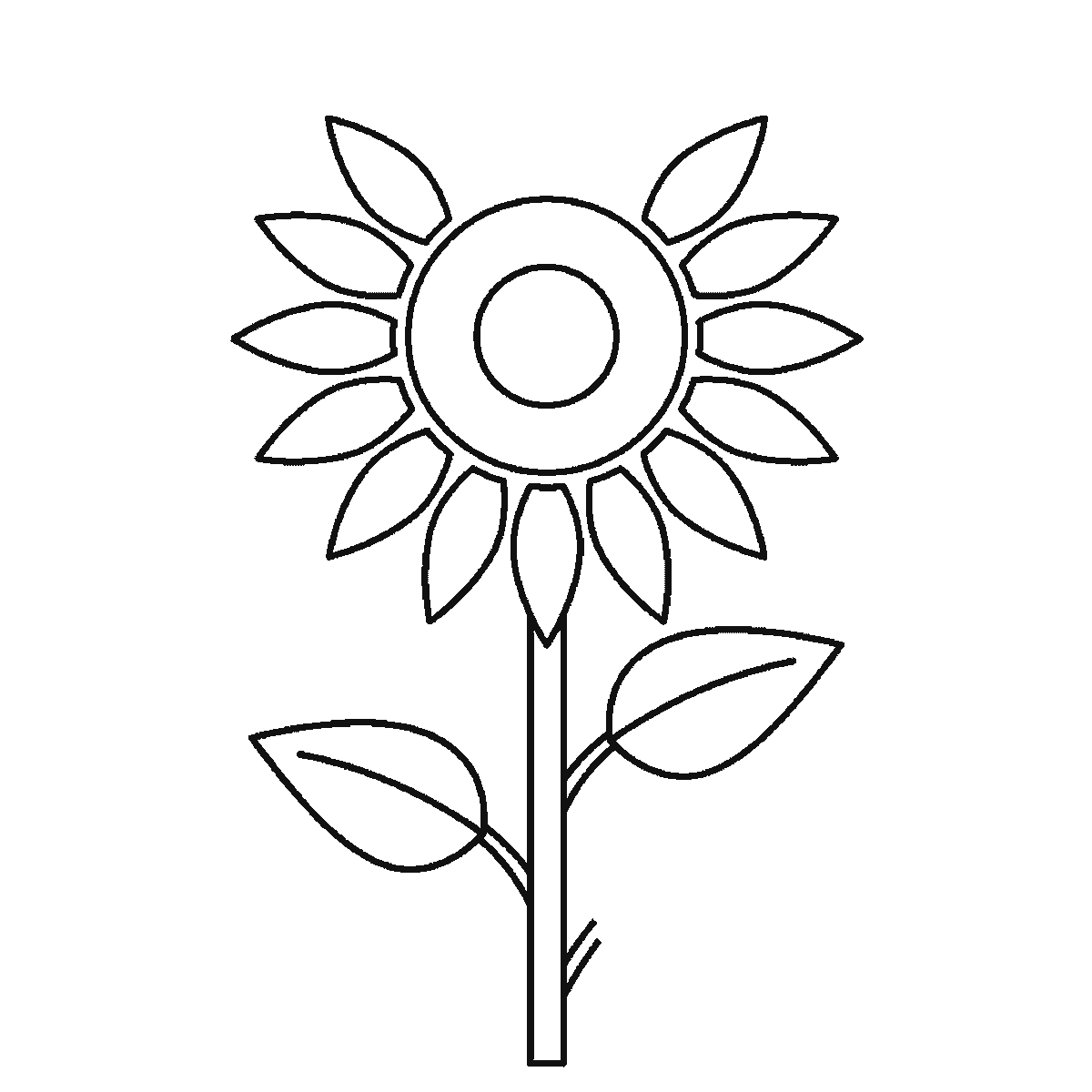
Step 5
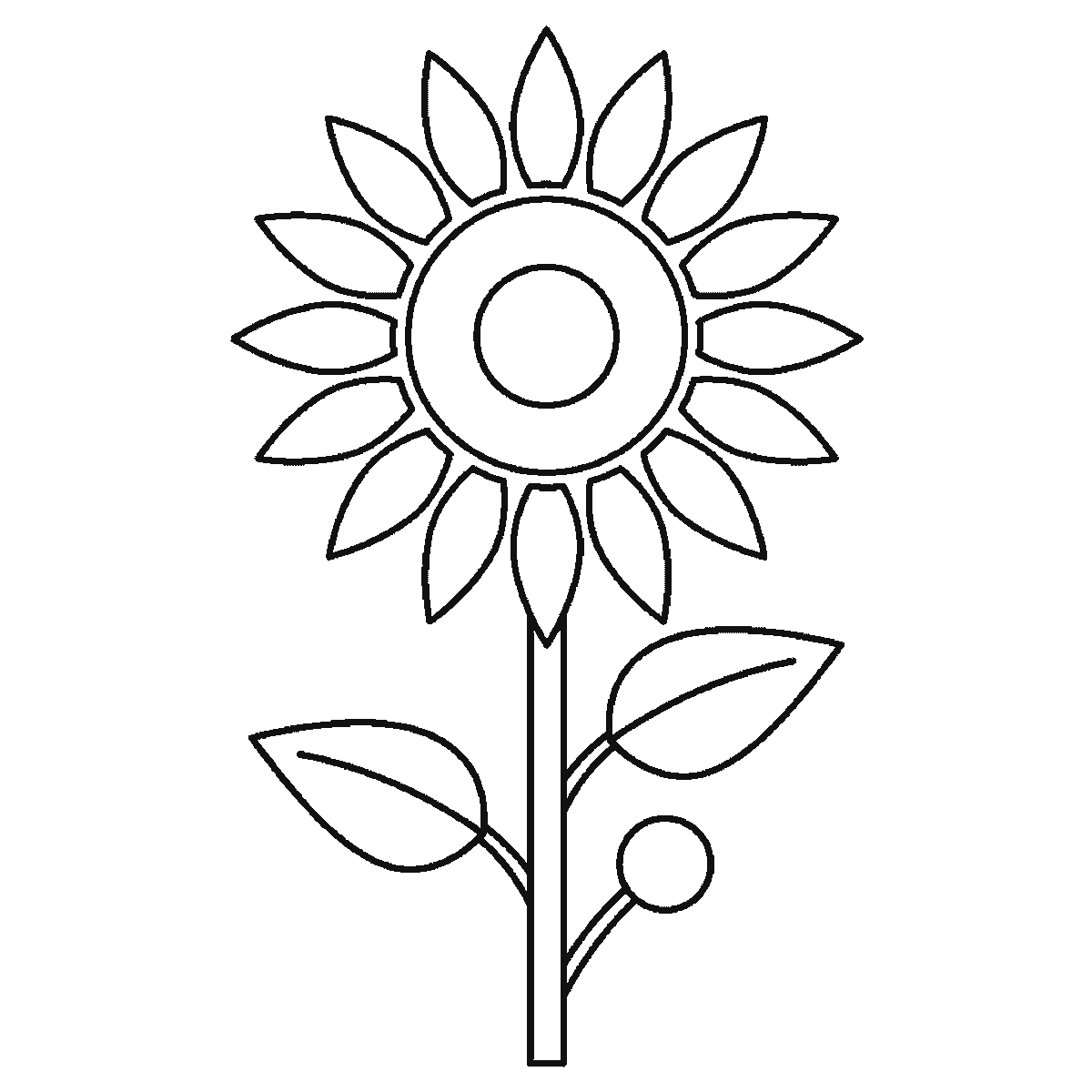
Step 6
More in this section
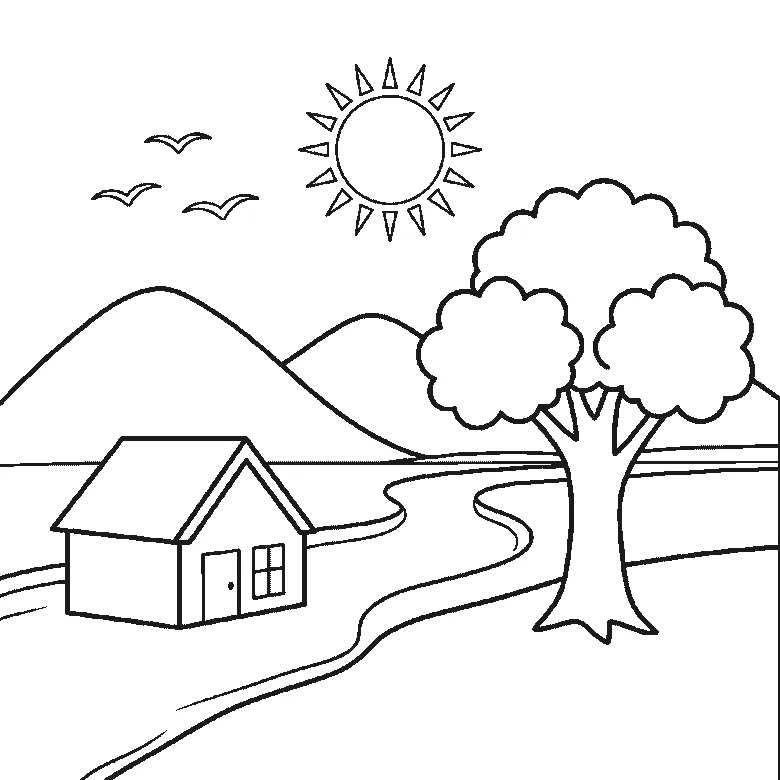
How to draw a landscape
Six frames, one countryside scene with hills, a river, a tree, a house and a sun. The leaves come first and the birds last.
Step sequence made by us from a single drawing: each step keeps the lines of the one before it and adds to them.
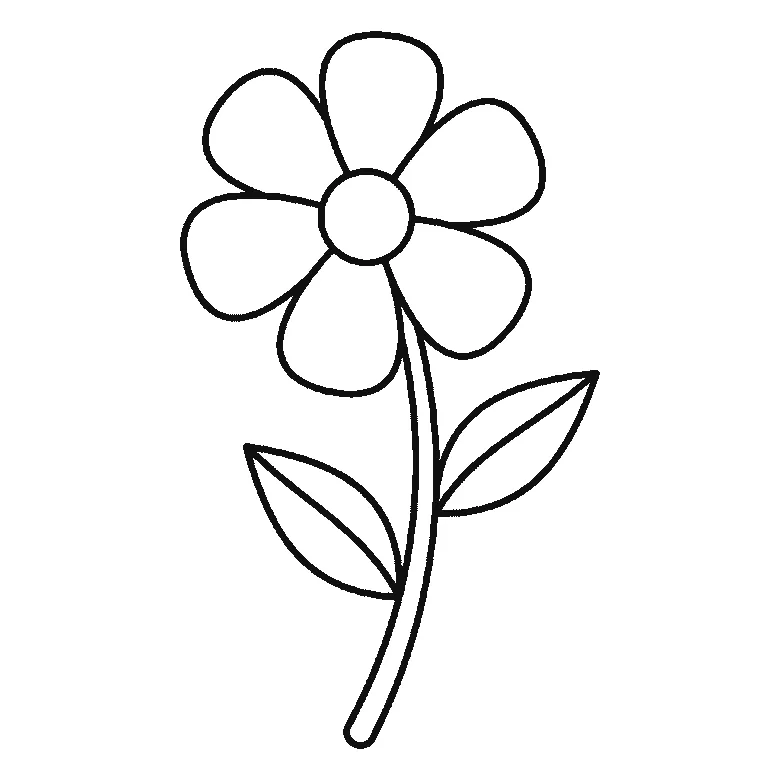
How to draw a flower
Six frames, one open flower on a stem. Three petals first, then the other three and the stem, the two leaves, and the centre near the end.
Step sequence made by us from a single drawing: each step keeps the lines of the one before it and adds to them.
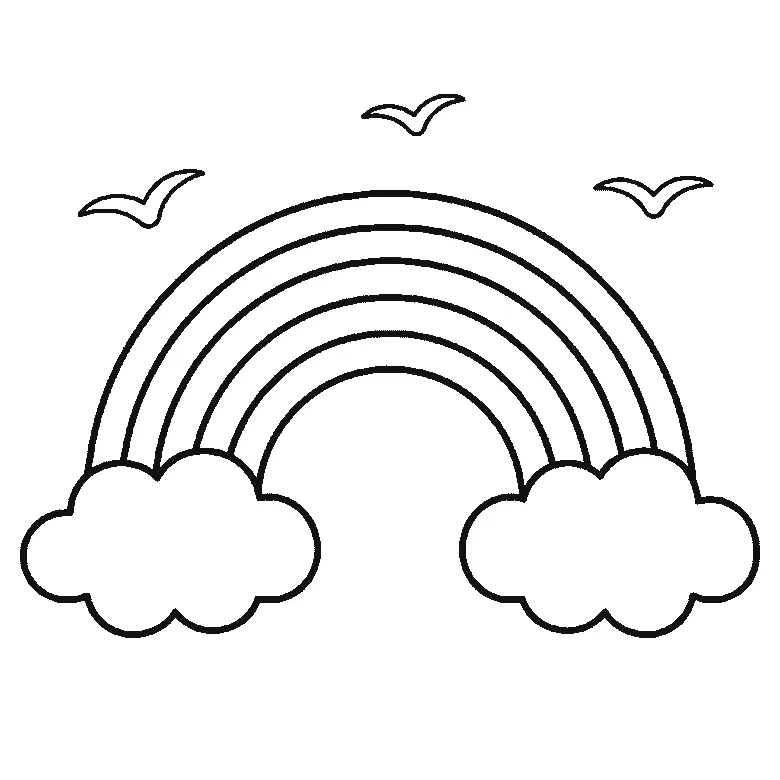
How to draw a rainbow
Six frames, a rainbow with a cloud at each end and three birds. The clouds first, then the bands from the outside in, and the birds last.
Step sequence made by us from a single drawing: each step keeps the lines of the one before it and adds to them.
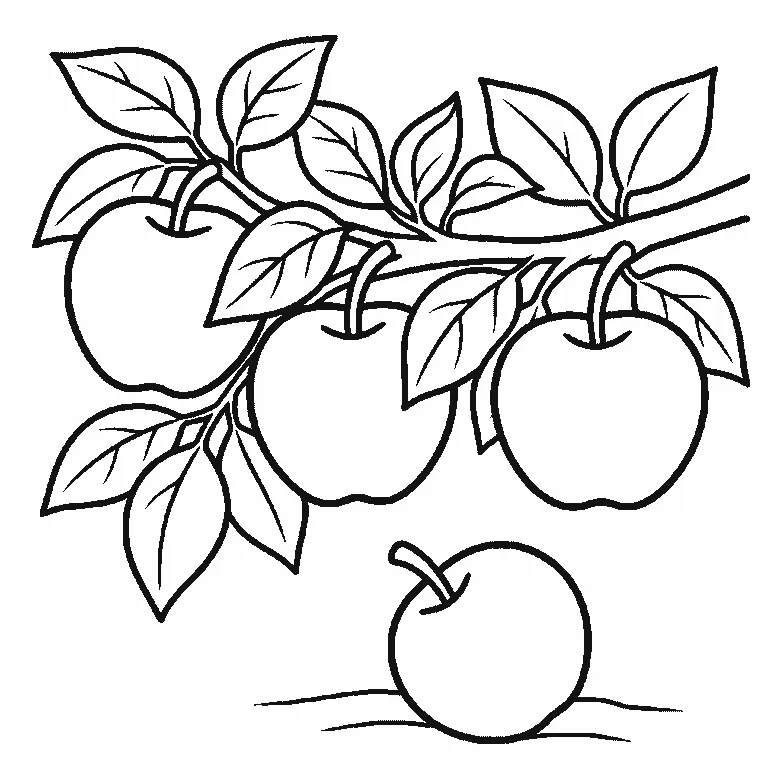
How to draw an apple
Six frames, four apples on a leafy branch — three hanging and one on the ground. Two apples first, then the other two, then leaf after leaf.
Step sequence made by us from a single drawing: each step keeps the lines of the one before it and adds to them.
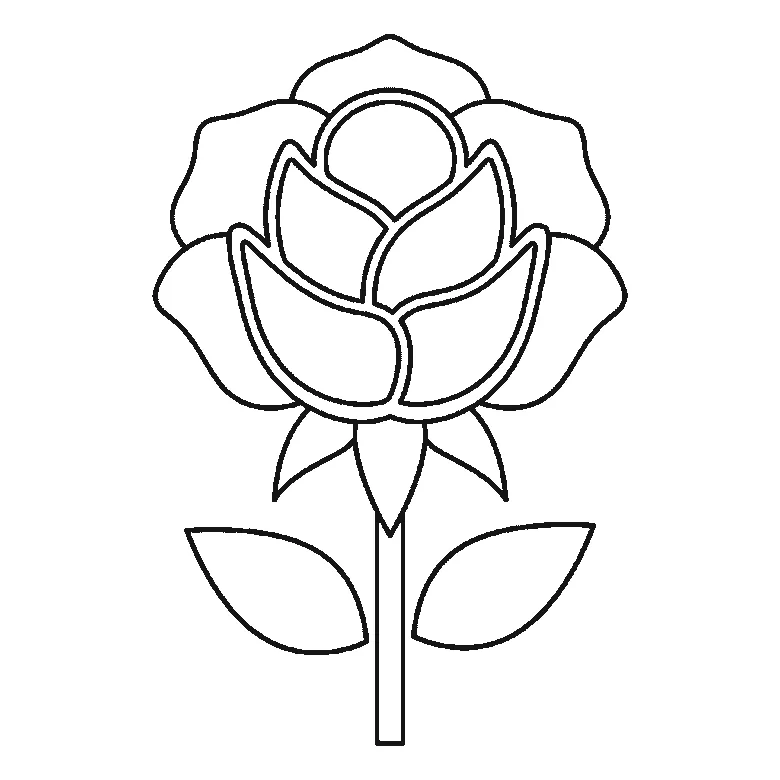
How to draw a rose
Six frames, one open rose. The centre cluster first, then the leaves, the outer petals and the stem.
Step sequence made by us from a single drawing: each step keeps the lines of the one before it and adds to them.
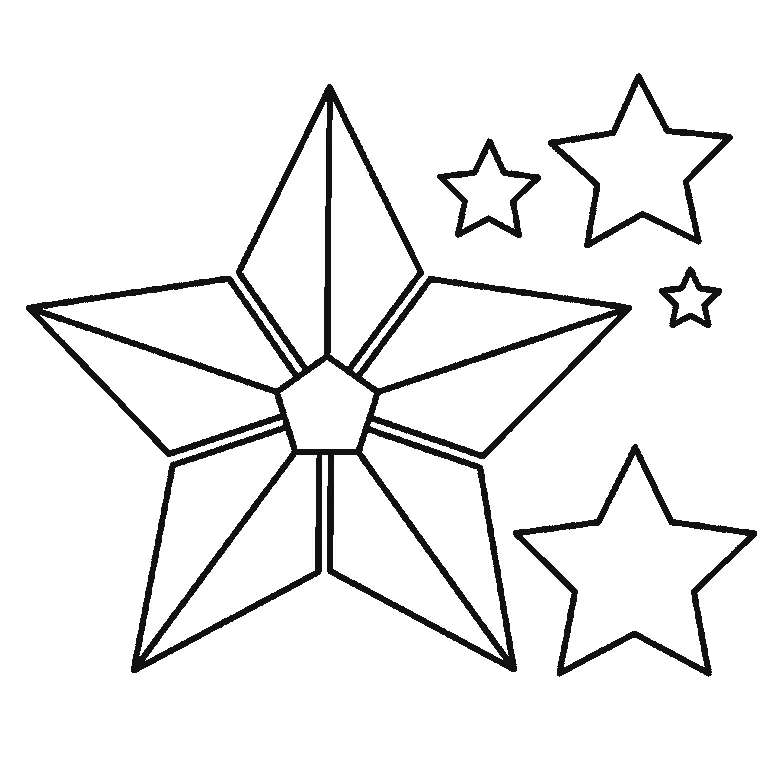
How to draw a star
Six frames, one faceted five-pointed star and four smaller ones, built one facet panel at a time.
Step sequence made by us from a single drawing: each step keeps the lines of the one before it and adds to them.
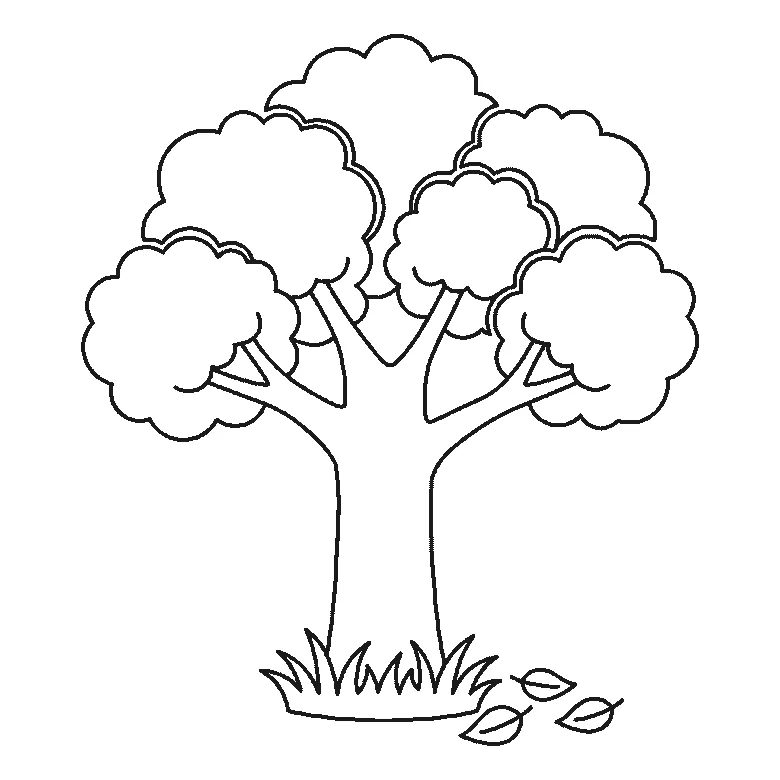
How to draw a tree
Six frames, one broad-leaved tree. Trunk first, then the branches, then the foliage in separate clumps.
Step sequence made by us from a single drawing: each step keeps the lines of the one before it and adds to them.
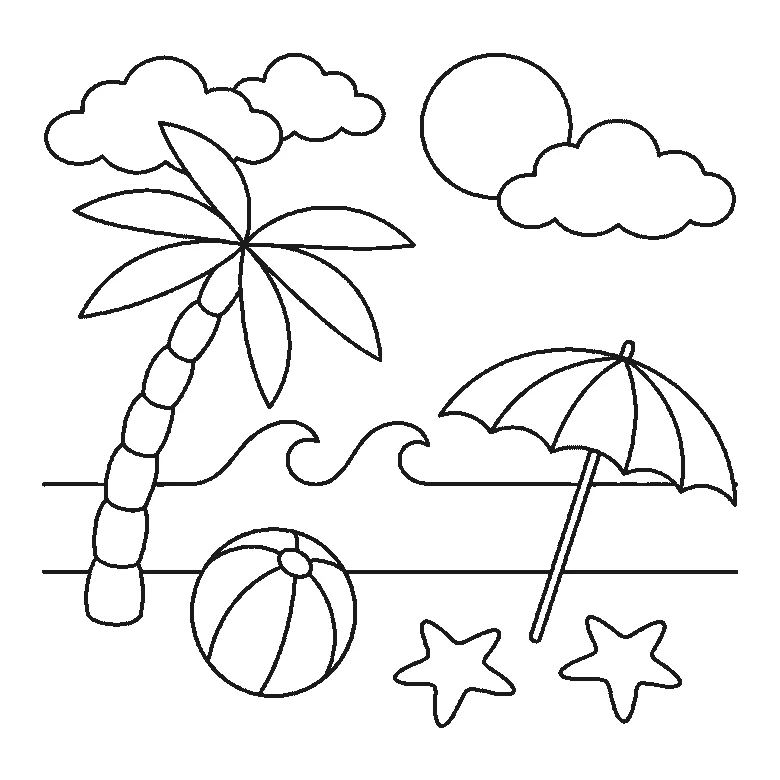
How to draw a beach
Six frames, one beach scene. The sea and its three waves first, then the sun and clouds — and the palm trunk and the parasol pole right at the end.
Step sequence made by us from a single drawing: each step keeps the lines of the one before it and adds to them.
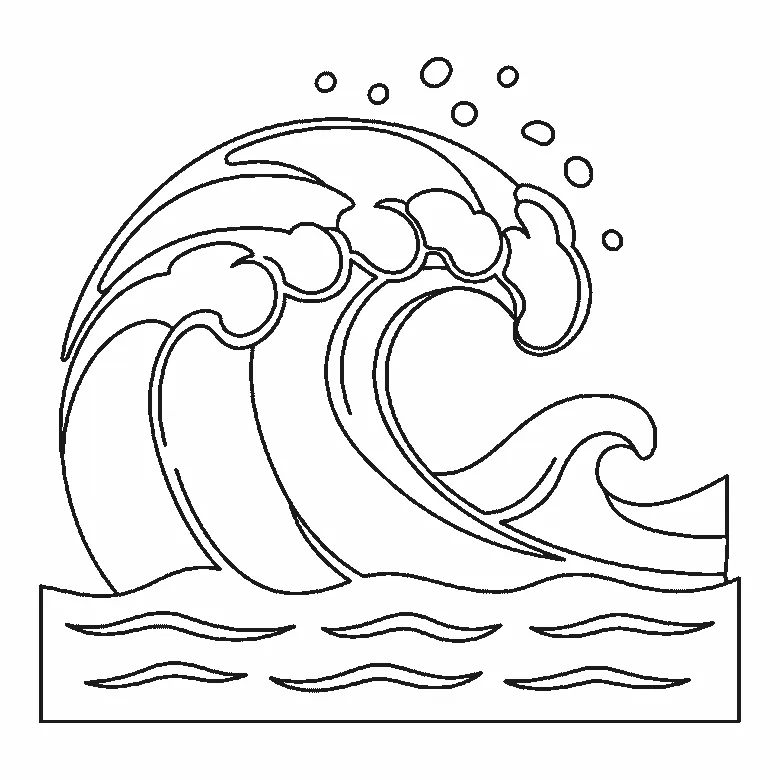
How to draw a wave
Six frames, one big breaking wave. The inside of the curl first, not the outline — and all the spray droplets in the very last frame.
Step sequence made by us from a single drawing: each step keeps the lines of the one before it and adds to them.
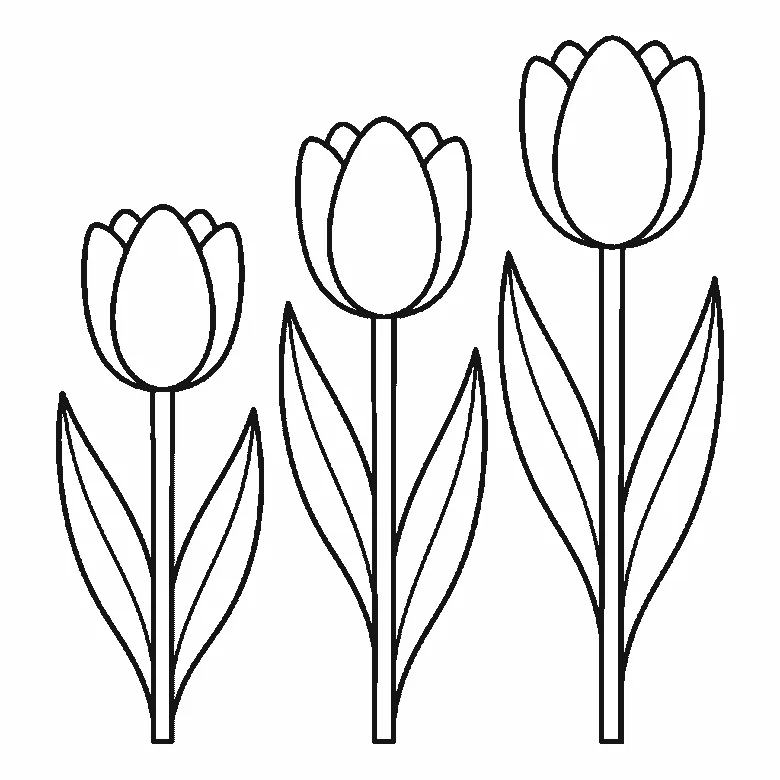
How to draw tulips
Six frames, three tulips of different heights. All three flower cups arrive together in the first frame — and the lines that split each cup into petals come last.
Step sequence made by us from a single drawing: each step keeps the lines of the one before it and adds to them.
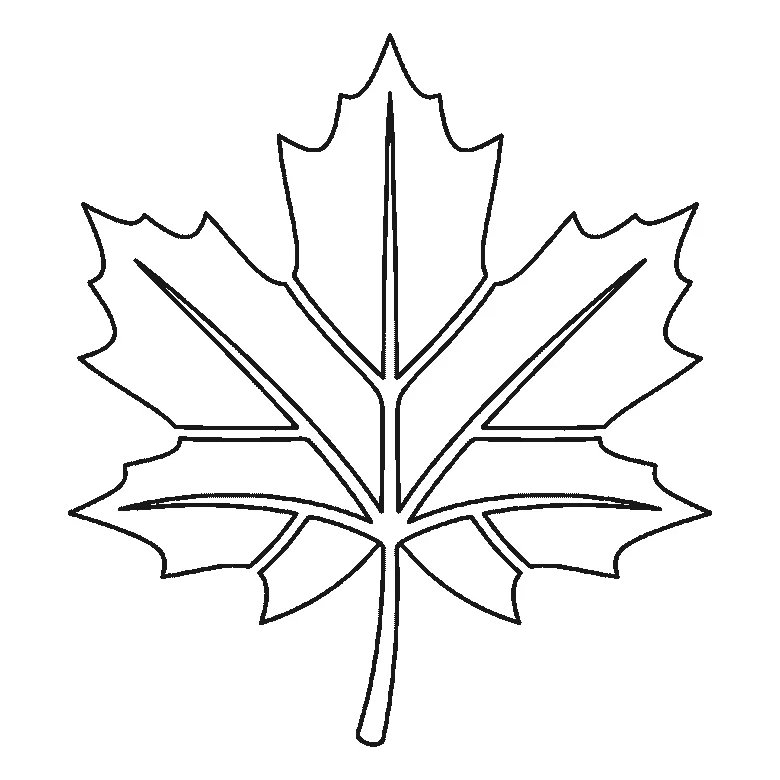
How to draw a leaf
Six frames, one maple leaf — and this sheet is the tidiest on the site: one lobe per frame, each with its own vein, and the stem last.
Step sequence made by us from a single drawing: each step keeps the lines of the one before it and adds to them.
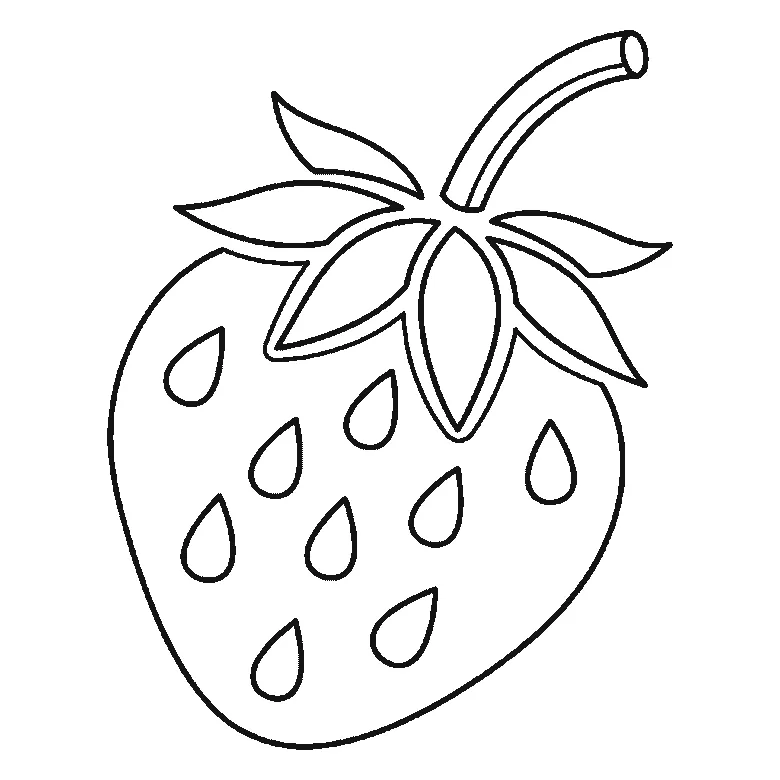
How to draw a strawberry
Six frames, one strawberry. The whole berry outline arrives in the first frame — a big first step — then a calyx leaf at a time, with all eleven seeds at the end.
Step sequence made by us from a single drawing: each step keeps the lines of the one before it and adds to them.


